
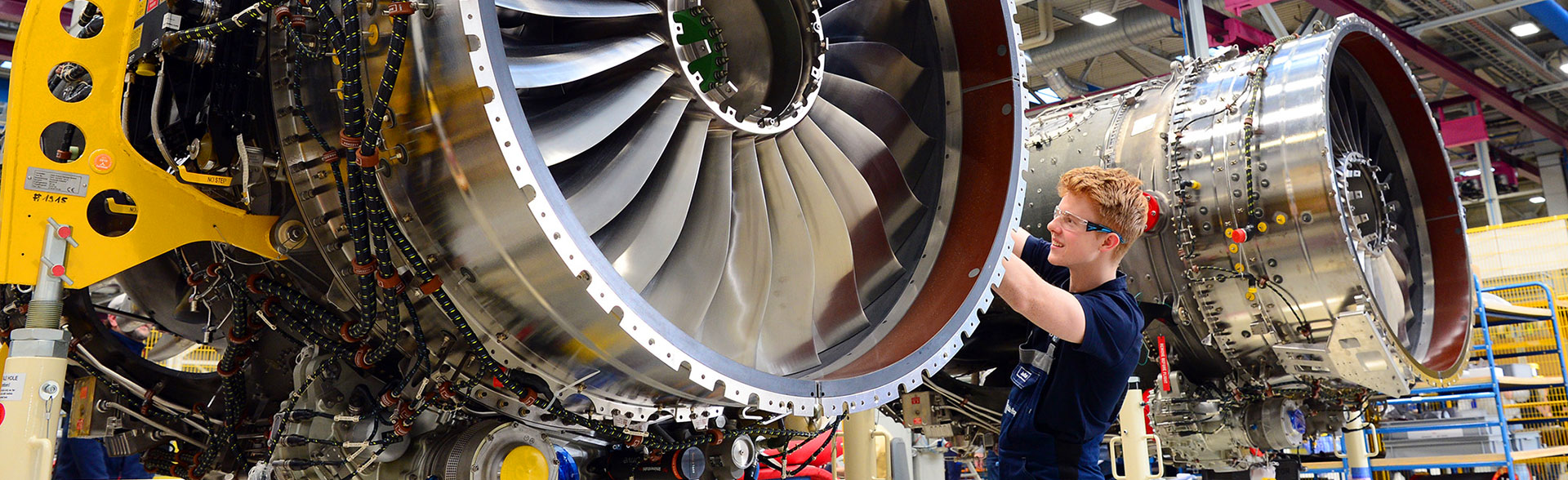
The “NASA-STD-7012 Leak Test Requirements” standard, developed by the National Aeronautics and Space Administration (NASA), is a NASA technical standard that establishes uniform requirements for verifying the pressure integrity of spaceflight equipment. This standard provides a consistent framework for developing qualification and acceptance leak tests for spacecraft, launch vehicles, payloads, subsystems, and components.
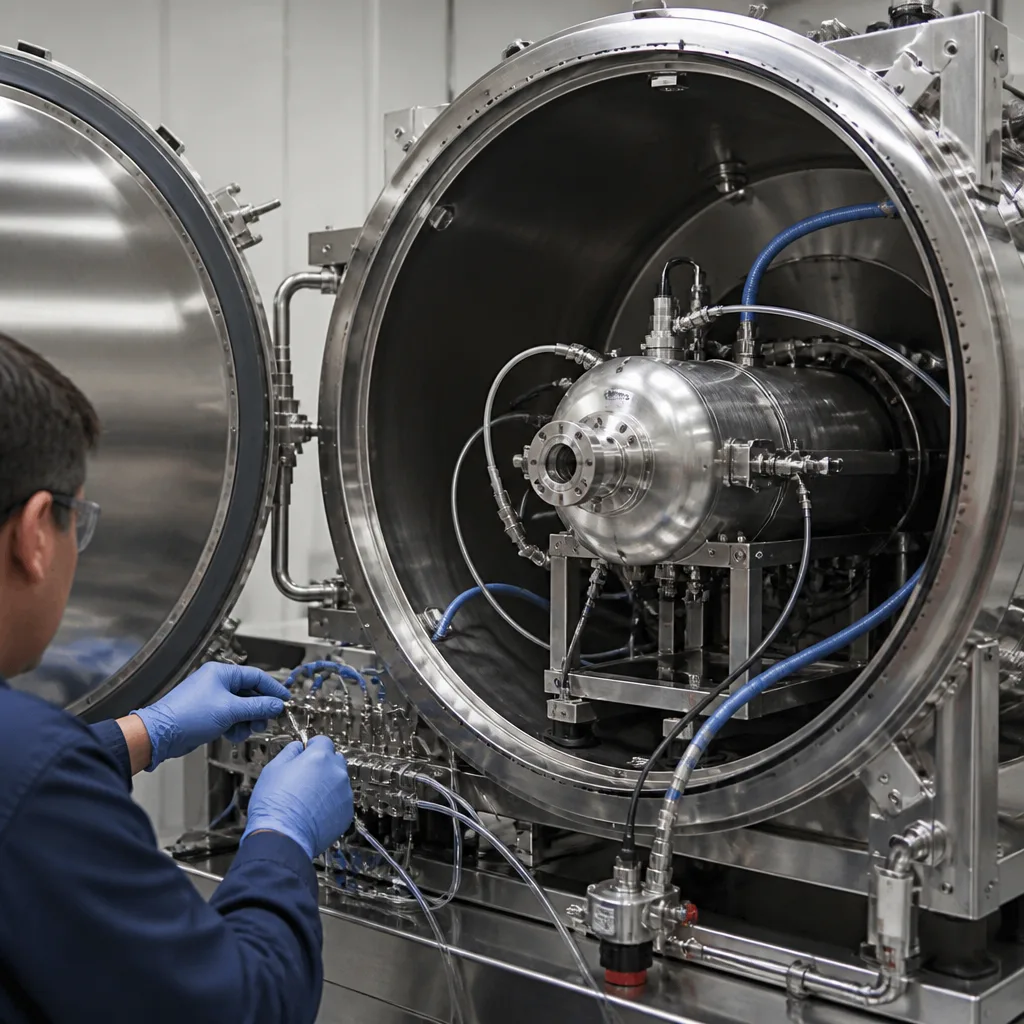
This standard addresses one of the most critical aspects of space equipment verification: ensuring that pressurized and sealed systems maintain their integrity throughout manufacturing, testing, launch, and operation in the harsh environment of space.
The primary purposes of the NASA-STD-7012 standard are as follows:
Rather than specifying a single test procedure, this standard defines the engineering requirements, performance criteria, safety margins, statistical considerations, and validation principles for leak testing.
The NASA-STD-7012 standard applies to the following:
This standard is primarily aimed at hardware operating in Earth orbit and deep space environments, but it can be adapted for other aerospace applications where appropriate.
Even microscopic leaks can create major problems during a mission. Possible consequences include:
Since many spacecraft cannot be repaired after launch, leak verification on the ground is crucial.
The NASA-STD-7012 standard applies to both of the following:
Both categories require verification that the leakage remains below acceptable limits.
The NASA-STD-7012 standard emphasizes that leak tests must have the following characteristics:
This standard encourages the selection of test methods that provide sufficient accuracy without creating unnecessary cost or time implications.
Common leak detection methods, as defined in the NASA-STD-7012 standard, include various techniques depending on the equipment and required sensitivity. Typical methods include:
Applications include:
This method is generally only used when high precision is not required.
The NASA-STD-7012 standard distinguishes between two main validation stages: qualification testing and acceptance testing.
Acceptance testing ensures that each flight component meets leakage rate limits, and is generally less rigorous than qualification testing.
The NASA-STD-7012 standard does not specify a single universally acceptable leakage rate. Instead, acceptable leakage depends on the following factors:
Engineering analysis determines the maximum allowable leakage rate for each application.
Leak testing planning typically takes the following into account:
This standard also defines requirements for test margins and validation methodology.
The NASA-STD-7012 standard emphasizes complete documentation of leak testing activities. Typical records include:
The NASA-STD-7012 standard complements several other NASA standards in the 7000 series. These include:
Together, these standards provide a comprehensive framework for environmental testing, verification, and validation processes for aerospace systems.
Although the NASA-STD-7012 standard was developed for NASA missions, it is also applicable to organizations operating in the following fields:
In conclusion, the NASA-STD-7012 standard provides a comprehensive framework for leak testing of pressurized and sealed spaceflight equipment. By defining standardized requirements for leak detection methods, test conditions, qualification, acceptance, documentation, and engineering analysis, this standard helps ensure that spacecraft and their subsystems maintain pressure integrity throughout their operational lives.
As space missions become longer, more complex, and increasingly reliant on commercial partnerships, standardized leak verification remains a fundamental element of mission assurance.
For many years, our organization, with its competent and experienced team, has been understanding the needs of its clients, providing the advanced testing services they require, and assisting them in the establishment, implementation, and improvement of management systems. Within this framework, we also provide testing services compliant with the NASA-STD-7012 standard.
To get an appointment, to get more detailed information or to request an evaluation, you can ask us to fill in our form and reach you.

