
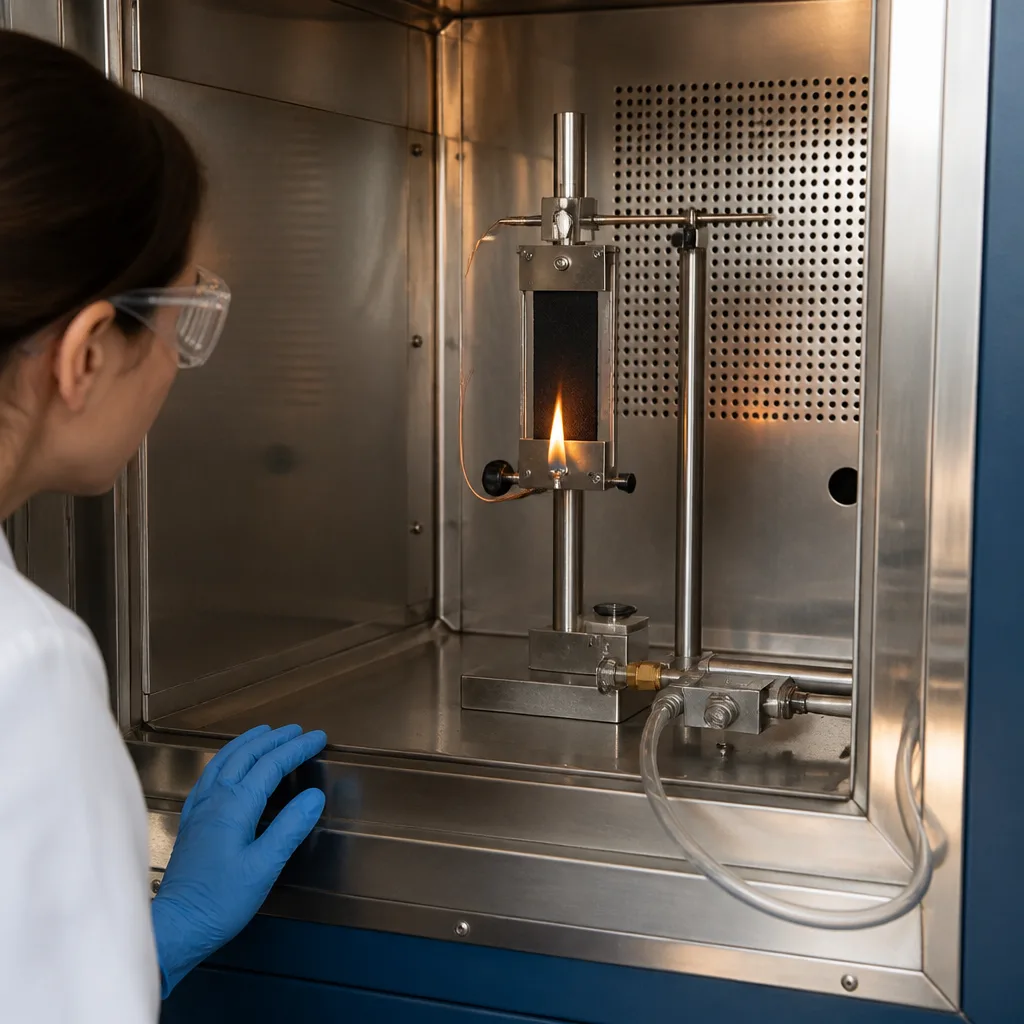
Developed by the National Aeronautics and Space Administration (NASA), the “NASA-STD-6001 Flammability, Gas Release, and Compatibility Requirements and Test Procedures” standard is one of NASA’s most important materials engineering standards. It provides comprehensive requirements and test procedures for evaluating the flammability, gas release, odor, and chemical compatibility of materials used in spacecraft and related ground support equipment. This standard helps engineers select safe materials for use in the unique and hazardous environment of space, where fire, toxic gases, and material degradation can have catastrophic consequences.
The primary goal of the NASA-STD-6001 standard is to establish standardized methods for evaluating materials before they are approved for use in the following areas:
This standard minimizes the risks associated with:
These requirements are particularly critical because spacecraft typically operate in sealed environments, and even minor material failures can threaten both crew safety and mission success.
The NASA-STD-6001 standard includes the following:
This standard applies throughout the entire spacecraft development lifecycle, from material selection to flight certification.
The NASA-STD-6001 standard includes numerous standardized laboratory tests. The most commonly used test methods are:
These tests help engineers identify materials that are self-extinguishing or resistant to flame spread.
Materials for crewed spacecraft must meet stringent acceptance criteria before being approved.
Excessive gas emissions can pollute the following:
In conclusion, gas release performance is an important factor in material selection.
The NASA-STD-6001 standard includes procedures for evaluating chemical compatibility to reduce the risk of ignition, corrosion, or structural degradation.
This test is especially important for:
The NASA-STD-6001 standard evaluates materials based on the following characteristics:
This standard applies to numerous aviation materials, including those listed below:
The NASA-STD-6001 standard is widely used in development. It is primarily suitable for:
Many aerospace contractors adopt this standard because NASA frequently requires compliance in contracts involving spaceflight equipment.
The NASA-STD-6001 standard is often used in conjunction with other NASA equipment and spacecraft standards, including:
Together, these standards provide a comprehensive framework for designing reliable and safe space flight systems.
Implementing the NASA-STD-6001 standard offers several advantages:
Although developed for NASA, this standard is widely referenced in the following fields:
Spacecraft operate in environments where traditional fire safety assumptions do not apply. High oxygen concentrations, limited crew living spaces, and the impossibility of escape during a mission make material behavior critically important. A material that is safe in everyday terrestrial conditions may become highly flammable or release harmful contaminants in space.
This standard provides validated, repeatable test methods that enable engineers to identify these risks prior to flight. Ensuring materials are flame-resistant, limit flame spread, emit minimal volatile compounds, and remain chemically compatible with spacecraft systems plays a vital role in protecting the crew, safeguarding sensitive equipment, and enhancing mission success.
For many years, our organization, with its competent and experienced team, has been understanding the needs of its clients, providing the advanced testing services they require, and assisting them in the establishment, implementation, and improvement of management systems. Within this framework, we also provide testing services compliant with the NASA-STD-6001 standard.
To get an appointment, to get more detailed information or to request an evaluation, you can ask us to fill in our form and reach you.

