
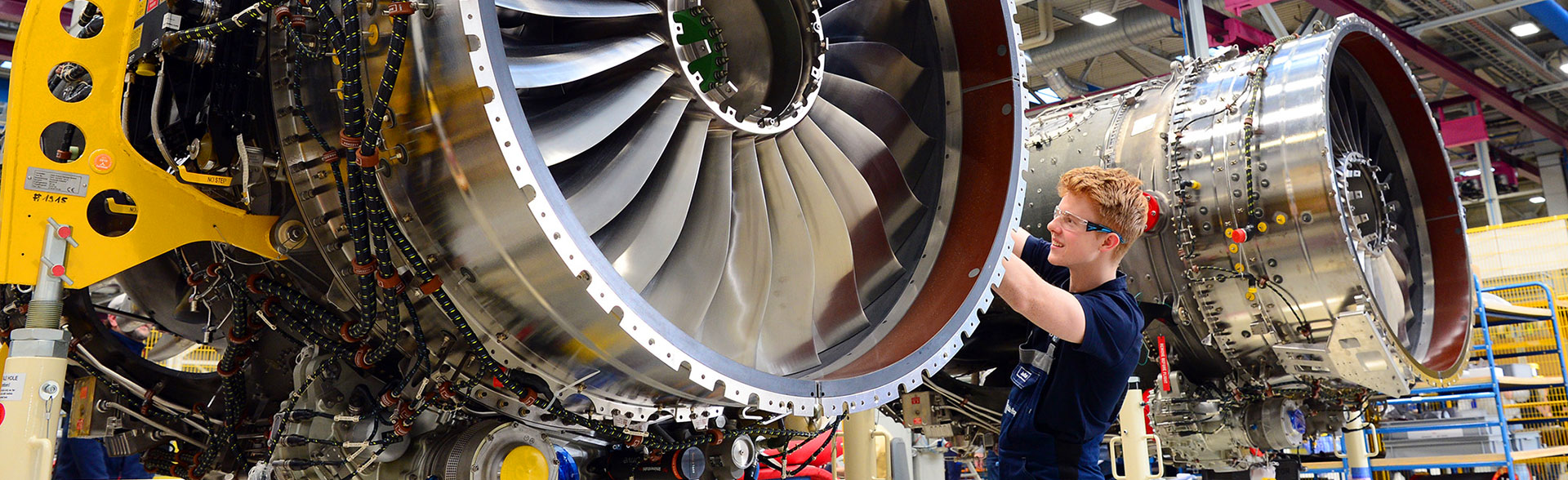
The "ASTM F945 Standard Test Method for Stress Corrosion of Titanium Alloys by Aircraft Engine Cleaning Materials" standard, developed by the American Society for Testing and Materials (ASTM), describes a test method to determine the tendency of aircraft turbine engine cleaning and maintenance materials to cause stress corrosion cracking in titanium alloy parts.
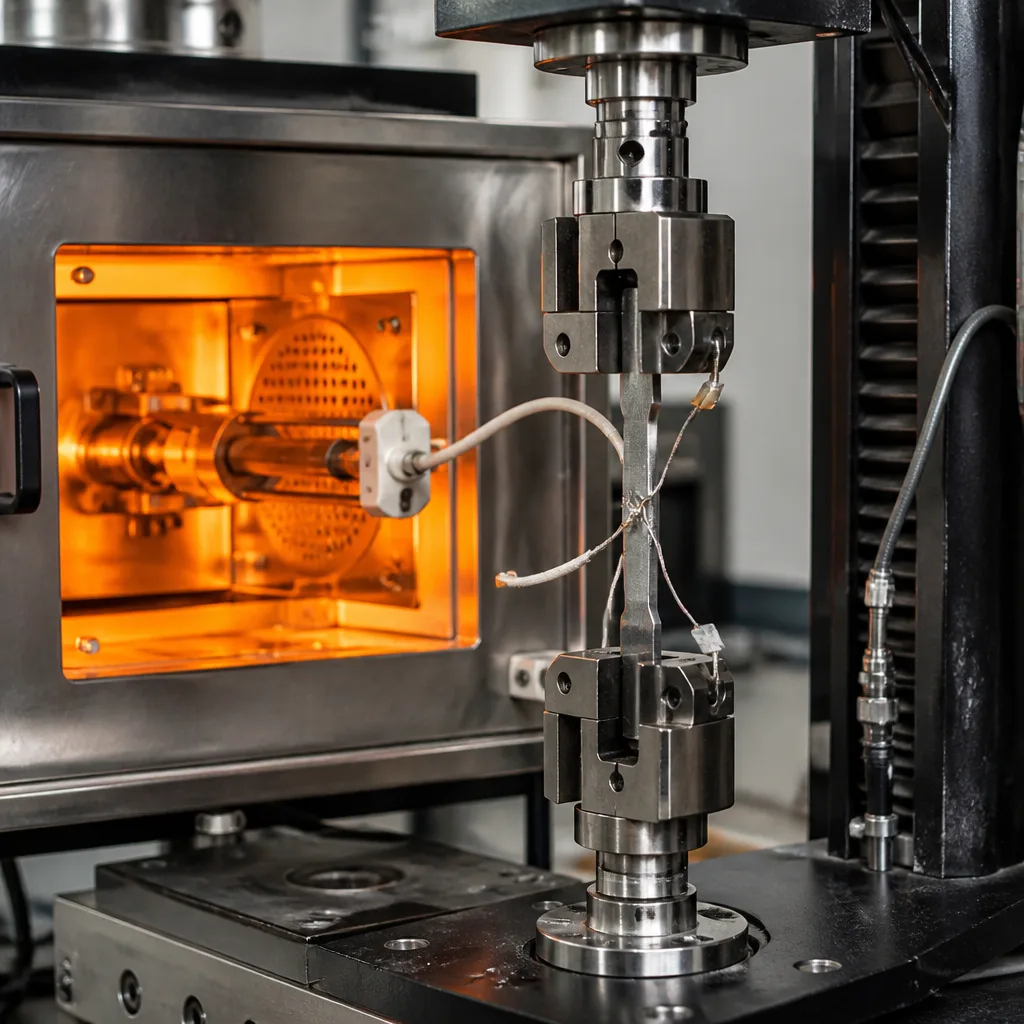
The evaluation is performed on representative titanium alloys by determining the effect of contact with cleaning and maintenance materials on the tendency of prestressed titanium alloys to crack when subsequently heated to high temperatures. Test conditions are based on the maximum working solution concentration recommended by the manufacturer.
Because pre-stressed titanium alloy parts tend to crack when heated in contact with certain chemical reagents, it is essential to ensure that cleaning and maintenance materials do not cause stress corrosion in titanium alloys under controlled conditions. For test specimens, two common titanium alloys were selected: one that is very susceptible to stress corrosion cracking (AMS 4916) and one that is not very susceptible (AMS 4911).
In short, the ASTM F945 standard is an aerospace testing standard. This standard defines a laboratory procedure to evaluate whether aircraft engine cleaning and maintenance chemicals can cause stress corrosion cracking in titanium alloy components.
Titanium alloys are widely used in aircraft engines due to their exceptional strength-to-weight ratio, corrosion resistance, and high-temperature performance. However, under specific conditions such as tensile stress, high temperatures, and exposure to certain chemicals, titanium alloys can become susceptible to stress corrosion cracking. The ASTM F945 standard provides a standardized method for identifying cleaning products that may pose this risk before they can be approved for aviation maintenance.
The primary purpose of the ASTM F945 standard is to determine whether aircraft engine cleaning and maintenance materials cause stress corrosion cracking in pre-stressed titanium alloys. This standard helps in:
The ASTM F945 standard applies to the following:
The evaluation measures whether high-temperature conditions following exposure to these materials cause cracking in stress-resistant titanium alloy samples. Test concentrations are based on the manufacturer's recommended maximum working concentration.
In principle, stress corrosion cracking occurs when three conditions are present simultaneously:
The ASTM F945 standard re-establishes these conditions as follows:
The presence of cracks indicates that the cleaning chemical may not be suitable for use on titanium engine parts.
The ASTM F945 standard recommends representative titanium alloys with varying levels of susceptibility to stress corrosion cracking. Typical alloys evaluated include:
The use of both sensitive and resistant alloys ensures a balanced assessment of the chemical's corrosive potential.
The generally described test method follows these steps:
This testing method is designed to simulate the conditions that titanium engine parts might encounter during maintenance. After testing, the samples are examined for the following:
A chemical that causes cracking is generally considered unsuitable for use in titanium aircraft engine parts.
The ASTM F945 standard is primarily used in the following areas:
The ASTM F945 standard is important because titanium alloys are expensive, highly engineered materials used in critical rotating engine components. Even microscopic cracks can propagate during service and eventually lead to component failure. This standard helps to:
The ASTM F945 standard reduces the risk of maintenance-related damage and extends the service life of aerospace components by inspecting cleaning products before approval.
The various advantages offered by this standard are as follows:
Essentially, the ASTM F945 standard has some limitations. For example, its evaluation of stress corrosion behavior under controlled laboratory conditions is a limitation. Actual service performance can also be affected by the following factors:
Therefore, the ASTM F945 standard should be used in conjunction with broader material qualification and maintenance verification programs.
In conclusion, the ASTM F945 standard is a fundamental aerospace testing method for evaluating the compatibility of aircraft engine cleaning and maintenance materials with titanium alloys. By providing a standardized procedure for detecting stress corrosion cracking, it enables manufacturers and maintenance organizations to qualify cleaning chemicals that will not compromise the structural integrity of critical titanium components. The use of this technology significantly contributes to aircraft reliability, maintenance quality, and flight safety.
For many years, our organization, with its competent and experienced team, has been understanding the needs of its clients, providing the advanced testing services they require, and assisting them in the establishment, implementation, and improvement of management systems. Within this framework, we also provide testing services in accordance with the ASTM F945 standard.
To get an appointment, to get more detailed information or to request an evaluation, you can ask us to fill in our form and reach you.

