

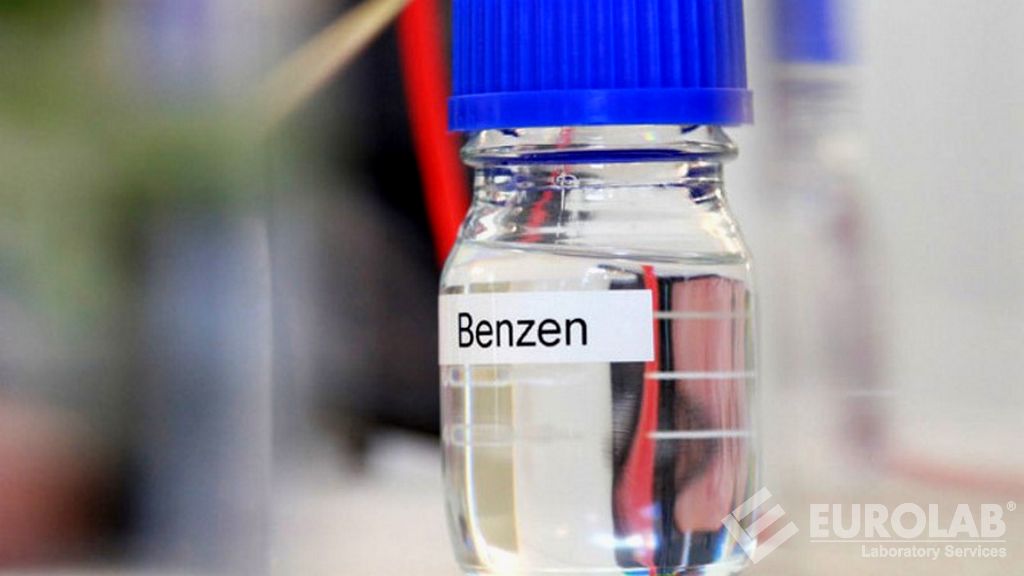
Briefly as BTEX, benzene, toluene, ethyl benzene and xylene are a group of volatile organic compounds (VOCs) that cause the development of certain diseases in humans, including cancer, if exposed to them. BTEX are chemical compounds emitted from a variety of materials and equipment, from paint to vehicle exhaust to industrial emissions, and are found in the air of typical urban environments. Gas and oil refining industries and petrochemical plants are important workplaces where exposure to benzene is evident. People are generally exposed to benzene by breathing air containing benzene. Benzene evaporates very quickly in air. Benzene is a major cause of leukemia and has been classified as a carcinogen by the US Environmental Protection Agency (EPA).
Toluene is widely used in industrial processes such as paint, thinner, adhesive, nail polish, lacquer and rubber production. Environmental exposure to toluene occurs from many sources, including drinking water, food, air, and consumer products. Toluene is not considered to be carcinogenic to humans.
Ethyl benzene exposure occurs through routine activities such as automobiles, boats, airplanes, and the use of gasoline-powered tools and equipment. Gas and oil workers, varnish workers, spray painters, and people involved in bonding processes are exposed to ethyl benzene. Ethyl benzene is classified as possibly carcinogenic to humans.
Xylene is used as a solvent in various industries such as printing, rubber and leather. In addition, xylene is used in the production of plastic bottles and polyester, as well as cleaning agents, paint thinners and varnishes. People are exposed to xylene by drinking water and consuming xylene-contaminated foods. It is not carcinogenic to humans.
In short, exposure of people to BTEX causes the development of some diseases. For example, high levels of benzene exposure lead to anemia and leukemia. Assessing human exposure to these chemical compounds is critical to the management and prevention of adverse health effects. Occupational exposure to chemicals is assessed using air monitoring and biological monitoring methods.
Our organization also provides BTEX (benzene, toluene, ethyl benzene, xylene) determination services in wastes, with its trained and expert staff and advanced technological equipment, among the numerous test, measurement, analysis and evaluation studies it provides for businesses in various sectors.
To get an appointment, to get more detailed information or to request an evaluation, you can ask us to fill in our form and reach you.

