

Volatile organic gases, dust, inorganic gases such as chlorine and fluorine, polycyclic aromatic hydrocarbons (PAHs) and dioxin-furans as well as heavy metal analyzes are carried out on the samples taken from the chimney. The accuracy and reliability of the measurements and analyzes carried out completely depends on the correct sample collection and the transportation of these samples to the laboratories with the correct method. The main factors influencing sampling and transport activities are: sampling location, manner and number of sampling, sampling rate, sampling time, substance from which the sample is absorbed, labeling of the sample, and appropriate transport of the sample to the laboratory.
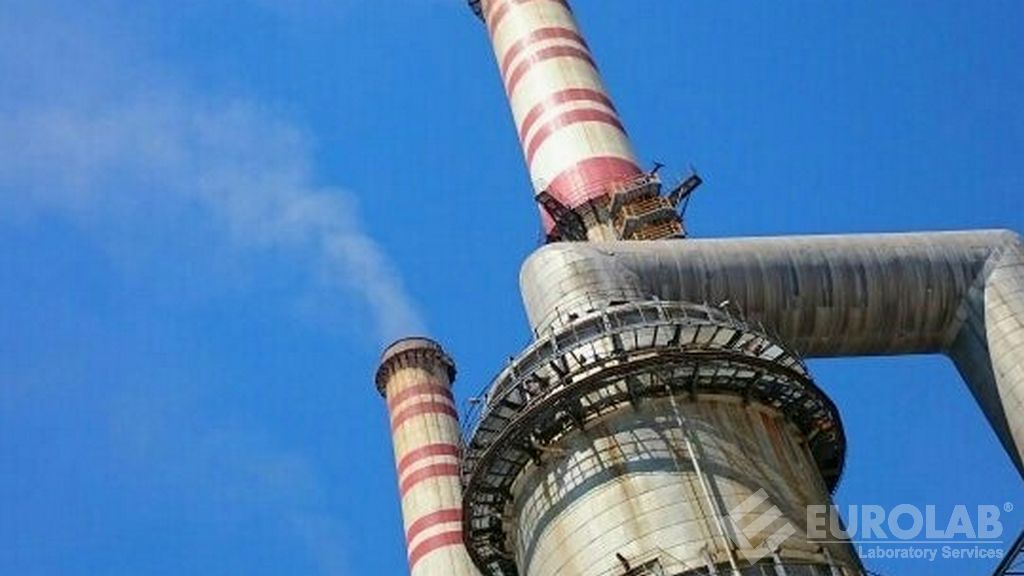
The leading pollutants to be measured are heavy metals such as antimony, arsenic, barium, cadmium, chromium, cobalt, copper, lead, manganese, silver, thallium and zinc. Commonly referenced standards for these measurements are the International Standards Organization (ISO), European Standards (EN), and United States Environmental Protection Agency (EPA) standards.
The standards used for metal sampling are EPA method 29 and TS EN 14385:2004.
In the test, analysis, measurement and evaluation studies carried out in our organization, national and international standards and applicable legal regulations are complied with and reliable and impartial results are obtained. These studies are based on the latest technological equipment, trained and experienced staff and modern methods. Among the numerous tests carried out in this context, there are also services for the determination of heavy metals in flue gas fixed source emissions.
To get an appointment, to get more detailed information or to request an evaluation, you can ask us to fill in our form and reach you.

