

LEED provides a framework for healthy, efficient, carbon and cost-saving green buildings. LEED certification is a globally recognized symbol of sustainability achievement.
LEED certified buildings save money, increase efficiency, reduce carbon emissions and create healthier environments for people. These are critical elements of addressing climate change and meeting environmental, social and governance criteria goals and building resilience.
In order to obtain LEED certification, it is necessary to collect points by adhering to the prerequisites that address carbon, energy, water, waste, transportation, material, health and indoor environmental quality. Projects go through a verification and review process and are awarded the following scores corresponding to the LEED certification level:
LEED's goal is to create better buildings that:
LEED is a holistic system that does not focus solely on the elements of a building such as energy, water or health, but looks at all critical elements to create the best possible building.
35 percent of loans in the LEED system are related to climate change. 20 percent of the loans directly affect human health, 15 percent water resources, 10 percent biodiversity, 10 percent green economy, 5 percent society and 5 percent natural resources.
In version LEED v4, most of the credits are operational and embodied carbon related.
LEED v4 is the newest version of LEED green building and this version is designed for a better user experience. In fact, LEED has revolutionized the market as the world's leading benchmark for the design, construction and operation of high-performance green buildings. LEED v4 provides a system that prepares all LEED projects to perform at a higher level.
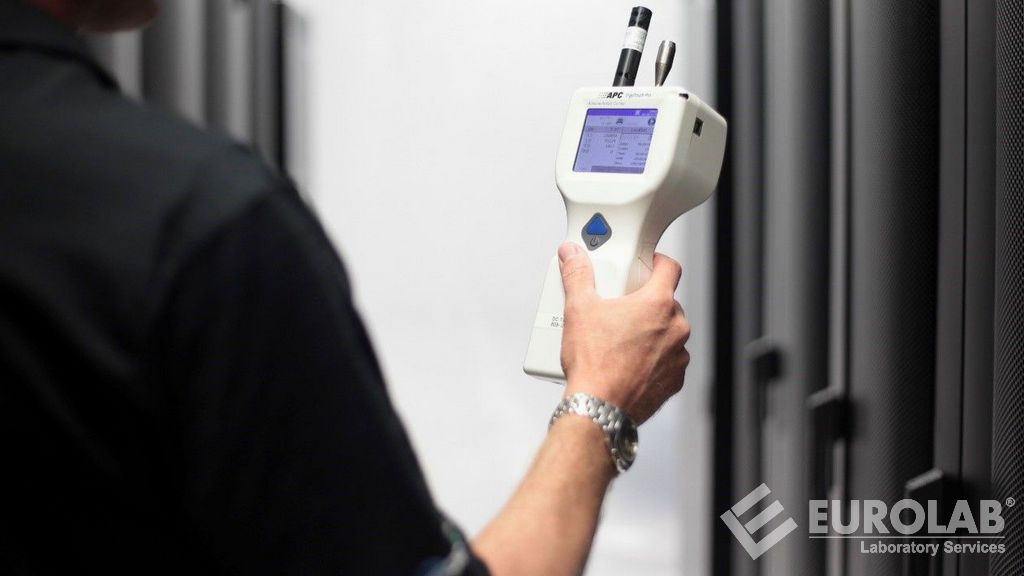
Among the numerous test, measurement, analysis and evaluation studies it provides for businesses in various sectors, our organization also provides indoor air quality testing services in accordance with LEED v4 criteria with its trained and expert staff and advanced technological equipment.
To get an appointment, to get more detailed information or to request an evaluation, you can ask us to fill in our form and reach you.

