

Chlorophylls are natural plant pigments that can absorb sunlight and use their energy to make carbohydrates from carbon dioxide and water through the process called photosynthesis. Chlorophyll is found in plant organelles called chloroplasts.
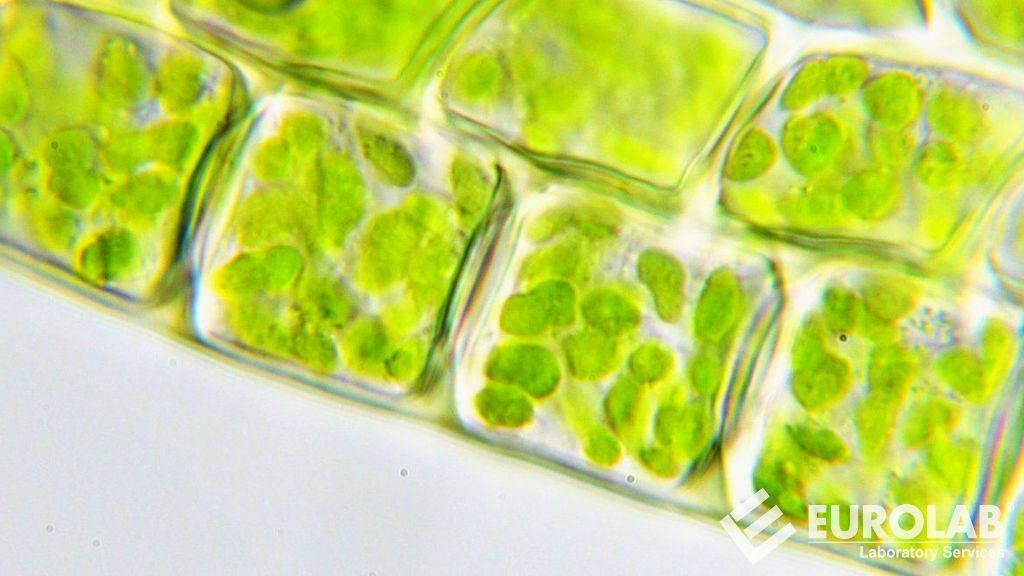
Green plants and some algae survive by producing energy from sunlight, water and carbon dioxide through photosynthesis. In this process, light energy is converted into chemical energy. In photosynthesis, water and carbon dioxide are converted to glucose in the presence of sunlight and oxygen is released into the environment. Photosynthesis plays a vital role in sustaining the life of plants and other organisms, and supports the earth by regulating oxygen and carbon dioxide levels.
Judging by the process of photosynthesis, the primary pigment that facilitates the process is the green pigment called chlorophyll. These pigments absorb the red and blue wavelength rays from sunlight, which are necessary to initiate the photosynthesis process. Chloroplasts contain various types of chlorophyll that contribute differently to the photosynthesis process. These types of chlorophyll are:
Both chlorophyll A and chlorophyll B play an essential role in photosynthesis in plants. The primary pigment responsible for photosynthesis is chlorophyll A. Chlorophyll B absorbs sunlight to pass it on to chlorophyll A. Chlorophyll A reflects blue-green light, while chlorophyll B reflects orange-red light. Chlorophyll A absorbs more red wavelengths, while chlorophyll B absorbs purple-blue light.
Our organization also provides chlorophyll A, B, C analysis services with its trained and expert staff and advanced technological equipment, among the numerous test, measurement, analysis and evaluation studies it provides for businesses in various sectors.
To get an appointment, to get more detailed information or to request an evaluation, you can ask us to fill in our form and reach you.

