

In short, emissions relate to the release of pollutants into the atmosphere from any source, while emissions refer to what is known as air quality. Imission is the concentration at ground level of contaminants that affect people, animals, plants or materials. When talking about air quality and air pollution, the concepts of emission and immission are often confused. However, these concepts are different from each other.
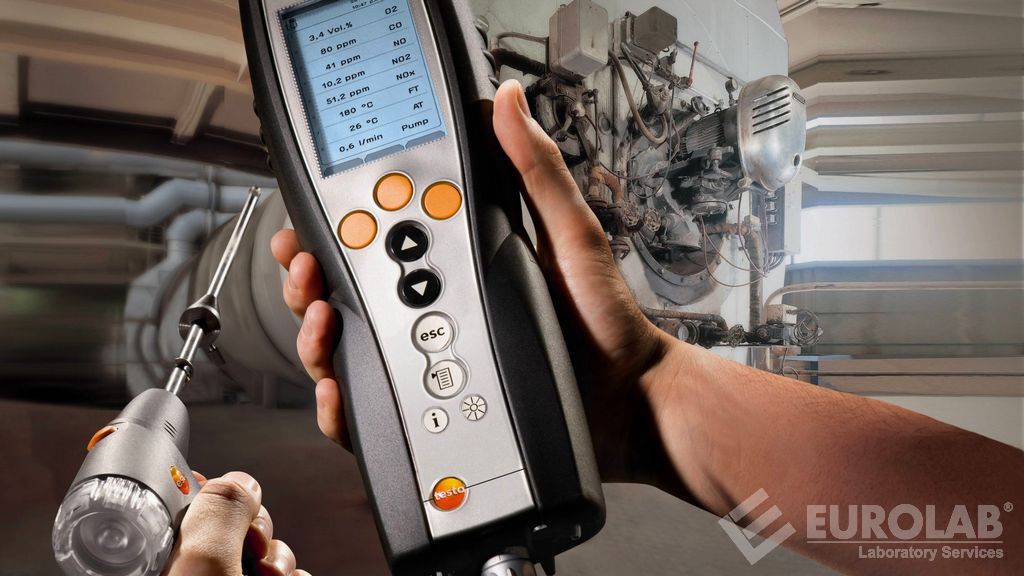
The term emission is included in different regulations and the characteristics of emissions are as follows:
In addition, the origin of emissions can be natural (unintentional forest fires, volcanic eruptions, etc.) or anthropogenic (vehicles, industries, etc.). Also, the term emission refers to different environments or ecosystems.
As for the immission, its main features are:
When a pollutant is released, it undergoes a series of physical and chemical transformations in the air and plays a key role in emission.
Our organization, equipped with extensive technological equipment and a trained and experienced staff, applies the most modern methods in the tests and analyses we conduct, complying with both national and international standards as well as current legal regulations. Among the numerous tests conducted within this scope are emission and immission measurement services.
To get an appointment, to get more detailed information or to request an evaluation, you can ask us to fill in our form and reach you.

