

The European standard “EN 13725 Stationary source emissions - Determination of odour concentration by dynamic olfactometry and odour emission rate” describes an objective method for determining the odour concentration of a gaseous sample using a dynamic olfactometer with human assessors. The standard also includes a method for determining the odour emission rate from stationary sources, in particular:
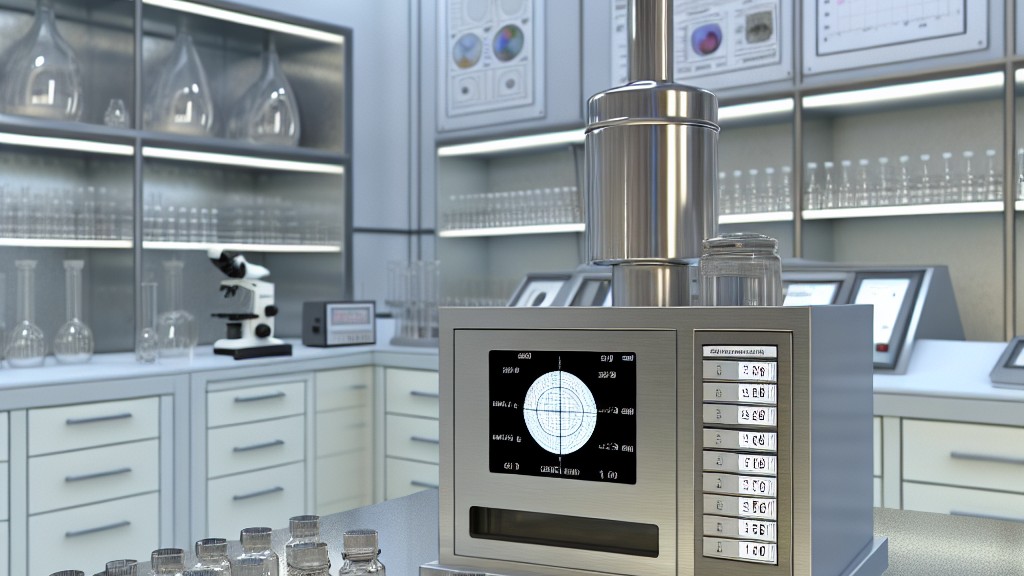
An olfactometer is an instrument used to detect and measure odor dilution.
The primary application of this standard is to provide a common basis for the assessment of odour emissions. When this standard is used to determine the odour concentration or odour emission rate of stationary source emissions, in particular when the measurements need to comply with the relevant European legal regulations on industrial air emissions, other relevant European standards on stationary source emissions apply, in particular EN 15259 Air quality - Measurement of stationary source emissions - Requirements for measurement sections and sites and the measurement purpose, plan and report" and ISO 16911-1 Stationary source emissions - Manual and automatic determination of velocity and volume flow rate in ducts - Part 1: Manual reference method.
However, the analysis/quantification step of the measurement method described in this standard, i.e. the determination of the odor concentration of an odorous gas sample, regardless of the origin of the sample, is fully applicable in many cases not related to industrial emission sources. For example, measuring the mass concentration of odorants at the detection threshold or determining the effectiveness of odor removal systems for indoor air. In these latter cases, the requirements for measurement planning and sampling of fixed sources contained in this standard may be disregarded or adapted.
This standard is applicable to the measurement of the odor concentration of odorous gases in air or nitrogen, odor mixtures of defined composition, and undefined odor mixtures, using a dynamic olfactometer with a panel of human raters as sensors.
The odor concentration is measured by determining the dilution factor required to reach the detection threshold. The odor concentration is then expressed in multiples of the detection threshold.
The scope of application of this standard includes:
Determining odor emissions requires measuring the gas velocity to determine the volume flow rate.
However, the scope of application of this standard does not include:
Although the ultimate application of odor concentration measurement is aimed at reducing odor nuisance, the relationship between emissions, distribution, exposure and nuisance is not within the scope of this standard. The odor concentrations measured in accordance with this standard and the relationship between odor emissions and the occurrence of odor nuisance are quite complex. It is greatly influenced by atmospheric processes that determine the distribution of odors, the quality of the odor (hedonic tone) and, finally, the receptor characteristics of those exposed to the odor. These receptor characteristics vary greatly not only between individuals but also over time within an individual.
Our organization, which has been trying to support businesses from every sector with its testing, measurement, analysis and evaluation studies carried out in a wide range for years, has a strong staff that closely follows the developments in the world in the field of science and technology and constantly improves itself. In this context, testing services in accordance with the standard “EN 13725 Stationary source emissions - Dynamic olfactometer and determination of odor emission rate and odor concentration” are also provided to businesses.
To get an appointment, to get more detailed information or to request an evaluation, you can ask us to fill in our form and reach you.

