

The European standard “EN 17141 Clean rooms and related controlled environments - Biocontamination control” describes the requirements, recommendations, and methodology for microbiological contamination control in clean and controlled environments. It also sets out the requirements for establishing and demonstrating microbiological control in clean and controlled environments.
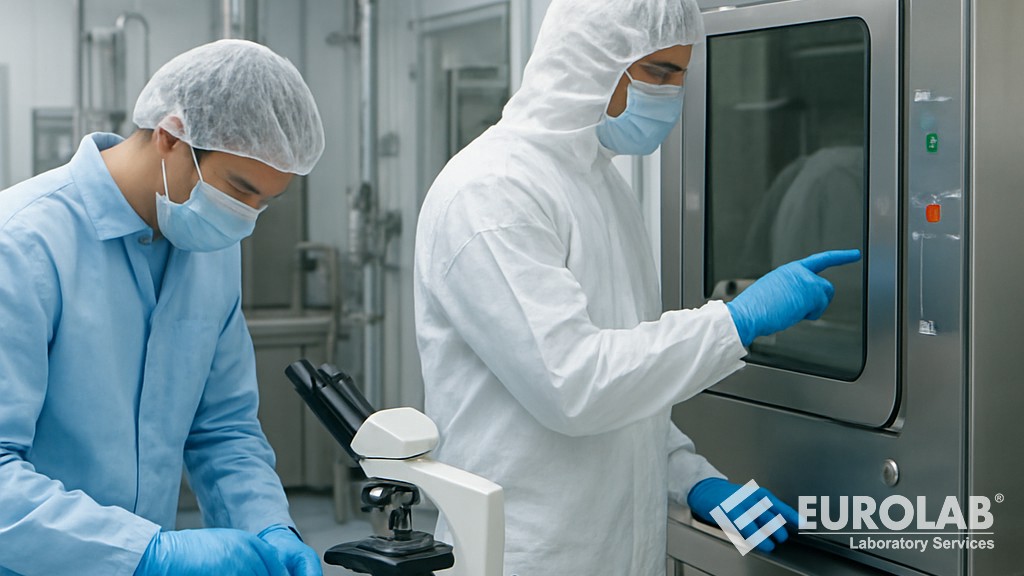
This standard is limited to live microbiological contamination and does not cover all aspects of endotoxin, prion, and viral contamination. This standard includes specific guidelines for common applications, including pharmaceuticals and biopharmaceuticals, medical devices, hospitals, and food.
In high-risk industries such as pharmaceuticals, biotechnology, healthcare, and food production, maintaining sterile environments is not only best practice but also a regulatory requirement. Clean rooms and controlled environments serve as a frontline defense against invisible threats such as bacteria, fungi, and other microorganisms that can compromise product quality, patient safety, and operational integrity.
The EN 17141 standard, which has become a cornerstone of biocontamination control, replaces the older EN ISO 14698-1 and EN ISO 14698-2 standards, offering a more streamlined, risk-based approach to managing microbial risks. Unlike its predecessors, the EN 17141 standard consolidates guidance into a single standard, emphasizing modern risk assessment techniques and industry-specific practices.
Cleanroom standards have evolved alongside advances in science and regulations. The previous ISO 14698 series of standards provided fundamental principles for biocontamination control, focusing on monitoring airborne and surface microbes. However, as industries demanded more integrated and risk-focused strategies aligned with the frameworks, a need for an update arose. This need resulted in the EN 17141 standard. This new standard enhances the concepts of the ISO 14698 standard by incorporating contemporary tools such as rapid microbiological methods and data trends for better decision-making processes. In particular, the increasing awareness of microbial contamination has led to a greater focus on robust contamination controls. The EN 17141 standard applies to cleanrooms, clean zones, controlled zones, and clean areas, but excludes liquid pathways, endotoxins, prions, and viruses, focusing only on live microorganisms.
The EN 17141 standard is designed for environments where microbial contamination poses a risk to product quality, patient health, or consumer safety. Its target audience includes the following sectors:
The scope of this standard is limited to airborne and surface biological contamination, making it complementary to the ISO 14644 standard which deals with inanimate particles.
The EN 17141 standard essentially promotes a proactive and holistic contamination control strategy. Key elements include:
These principles ensure not only compliance but also operational efficiency, minimizing downtime and product recalls.
For pharmaceutical manufacturers, the EN 17141 standard is perfectly aligned with the “EU GMP Annex 1 Manufacture of sterile medicinal products” guidance, which mandates a robust contamination control strategy. For medical devices, the ISO 13485 standard clarifies microbial limits for compliance, eliminating confusion regarding risk classifications. Healthcare facilities can benefit from the guidance on hospital clean zones, while food manufacturers can adapt it to their HACCP plans.
In conclusion, the EN 17141 standard represents a significant advancement in cleanroom technology, transforming biological contamination control from a checklist approach to a dynamic and evidence-based system. By prioritizing risk management, data-driven decision-making, and industry-specific guidance, it enables professionals to protect lives and innovation. Today, with continuous improvements in global regulations, adopting the EN 17141 standard is not optional, but a strategic necessity. In an era of rapidly evolving microbial threats, compliance with the EN 17141 standard has become even more critical.
For many years, our organization, with its competent and experienced staff, has been understanding the needs of its clients, providing the advanced testing services they require, and assisting them in the establishment, implementation, and improvement of management systems. Within this framework, we also provide testing services to businesses in accordance with the "EN 17141 Clean rooms and related controlled environments - Biocontamination control" standard.
To get an appointment, to get more detailed information or to request an evaluation, you can ask us to fill in our form and reach you.

