

Oxygen and carbon monoxide measurements are very important when testing exhaust flue gases in furnaces or boilers in industry. Chimneys are vertical channels that allow the gases resulting from combustion to be thrown into the atmosphere. Exhaust gases are the result of fuel burning inside a furnace, boiler or steam generator. Wherever there is combustion, there are exhaust gases. Measuring the oxygen level in the exhaust gas is an indicator of the efficiency of the combustion process.
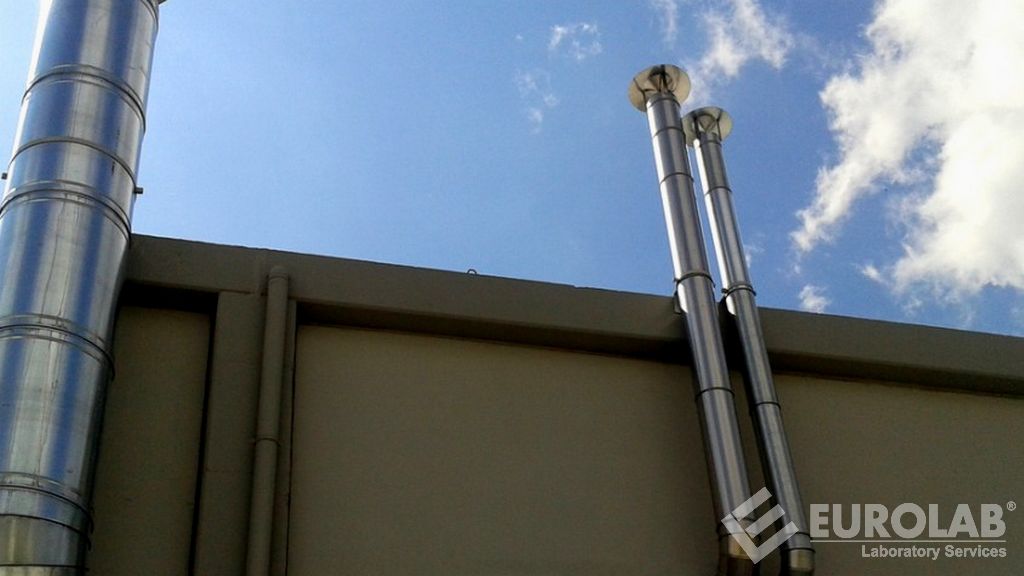
In residential or commercial building furnaces or boilers, the furnace controls the ratio of fuel and air released into the combustion chamber to maximize efficiency. Too much fuel or too much air (oxygen) reduces the energy efficiency of the furnace and increases the amount of nitrogen oxides and carbon monoxide gas molecules formed.
In residential furnaces, the optimum fuel-air ratio causes the oxygen level to drop from 21 percent by volume (fresh air) to 8.5-10 percent oxygen after combustion. To test the oxygen level, a tool called a combustion analyzer is used to measure the amount of oxygen remaining in the flue exhaust gas.
Industrial furnaces are direct heat furnaces used to provide heat for an industrial process such as chemical reactions, oil refining or glass production. The biggest difference between a residential furnace and an industrial furnace is the amount of heat produced, not the size. Industrial processes generally require temperatures of 400 degrees or higher. Maintaining an efficient fuel-air ratio requires high temperatures and constant monitoring.
Fossil fuels contain carbon and hydrogen. During complete combustion, carbon and hydrogen combine with oxygen to produce carbon dioxide and water. During incomplete combustion, some of the carbon is not completely oxidized and produces soot or carbon monoxide. Incomplete combustion uses fuel inefficiently and the carbon monoxide produced is harmful to health.
A properly designed and adjusted gas flame produces only small amounts of carbon monoxide, at 400 parts per million (ppm), the maximum permissible level in flue products. During incomplete combustion, carbon monoxide concentrations can rise to levels exceeding 7.000 ppm, posing a serious health risk.
Our organization also provides oxygen and carbon monoxide determination services in flue gas, with its trained and expert staff and advanced technological equipment, among the numerous test, measurement, analysis and evaluation studies it provides for businesses in various sectors.
To get an appointment, to get more detailed information or to request an evaluation, you can ask us to fill in our form and reach you.

