

There is a test method for the determination of flue gas smoke density (soot) in the "TS 9503 Flue gases - Determination of smoke density - formed by the combustion of distilled fuels" published by the Turkish Standards Institute (TSE). While designing this standard, the ASTM D2156 standard published by the American Testing and Materials Organization (ASTM) is based on (ASTM D2156-09 (2018) Standard test method for smoke density in flue gases from the combustion of distillate fuels).
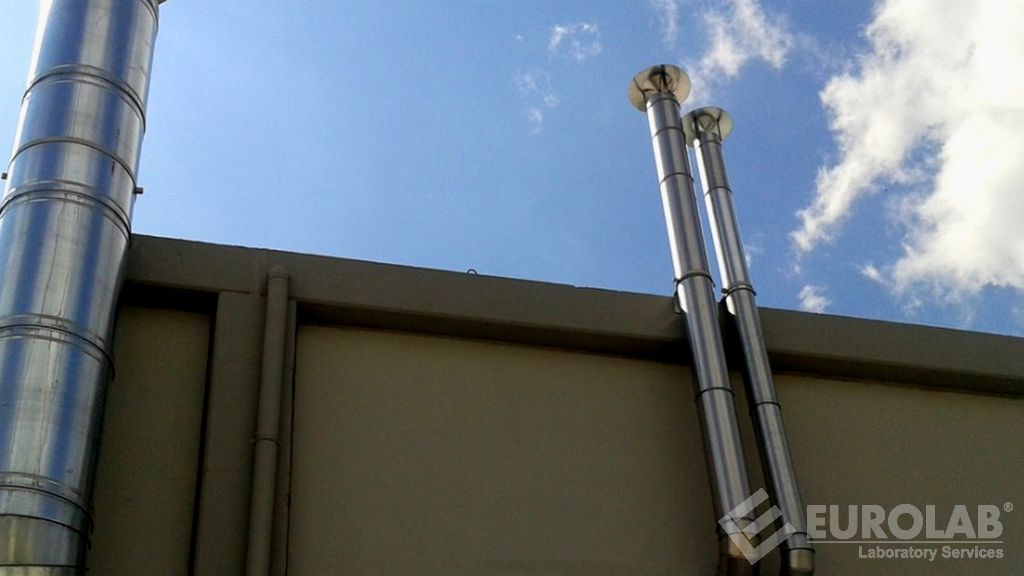
This test method is for the evaluation of smoke density in flue gases from the combustion of distilled fuels. It is primarily designed for use with home heating equipment that burns kerosene or heating oils. It is used in the laboratory or in the field to compare fuels or compare heating equipment for clean combustion.
This test method provides a way to control smoke production in home heating equipment to an acceptable level. Excessive smoke density adversely affects efficiency by contamination of the heat exchanger.
The smoke density range covered by this test method is that found particularly suitable for home heating application. It is more sensitive to small amounts of smoke than several other smoke tests.
In the testing, analysis, measurement, and evaluation studies carried out at our organization, national and international standards and current legal regulations are adhered to, and reliable and impartial results are obtained. These studies are based on state-of-the-art technological equipment, a trained and experienced staff, and modern methods. Among the numerous tests conducted within this scope are the determination of flue gas soot density (TS 9503).
To get an appointment, to get more detailed information or to request an evaluation, you can ask us to fill in our form and reach you.

