

Developed by Suzuki Motor Corporation as part of its environmental/chemical management standards, the “SES N 2402 Restriction of Use of Harmful Substances” standard forms a key part of Suzuki’s green procurement and environmental compliance framework in its global operations.
The primary purpose of this standard is to control and restrict the use of hazardous or environmentally harmful substances (substances of concern, SOCs) in parts, materials, raw materials, sub-materials, packaging, and related materials delivered to Suzuki and its affiliates. This helps Suzuki comply with international environmental regulations, reduce the ecological footprint of its supply chain, and promote sustainable production in the automotive and motorcycle industries.
The main issues addressed by this standard are as follows:
The SES N 2402 standard is frequently referenced in Suzuki's green sourcing guidelines published by various regional organizations. Suppliers are explicitly required to comply with this standard as a condition of doing business. Compliance typically includes:
For example, the guidelines state that suppliers must comply with the SES N 2402 standard for SOC restrictions and, in some cases, contact Suzuki if there is a lack of necessary documentation or implementation.
The SES N 2402 standard has undergone revisions over time. This standard supports Suzuki’s broader corporate goals under its global environmental mandate, focusing on green products from green suppliers, carbon dioxide reduction, volatile organic compound (VOC) emission controls, and overall environmental efforts.
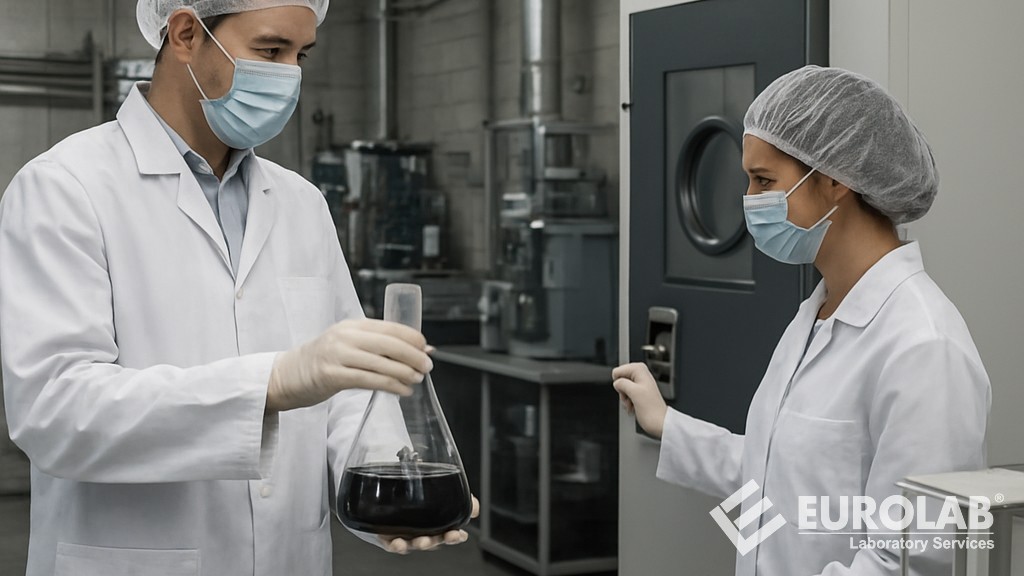
Independent laboratories offer specialized testing services according to the SES N 2402 standard to verify the restriction of environmentally impactful substances for components such as mufflers or instrument panels.
In short, the SES N 2402 standard outlines requirements for controlling and restricting environmentally harmful substances in materials, components, and manufacturing processes used in Suzuki vehicles and related products. This standard is primarily designed to ensure compliance with environmental regulations and Suzuki's internal sustainability policies for suppliers, material manufacturers, and component manufacturers in Suzuki's global supply chain.
The primary objectives of the SES N 2402 standard are as follows:
The SES N 2402 standard applies to the following:
This standard typically affects first-tier, second-tier, and raw material suppliers within the automotive supply chain.
The SES N 2402 standard generally categorizes materials into three main categories:
These restrictions are compliant with important environmental directives affecting the automotive industry.
Suppliers working with Suzuki should do the following:
In many cases, suppliers must provide compliance information through environmental reporting systems or supply documentation.
SES N 2402 generally refers to or conforms with the following international chemical management frameworks:
The use of these frameworks ensures that Suzuki’s material restrictions are consistent with global automotive environmental compliance requirements.
The SES N 2402 standard plays a critical role in the automotive supply chain. The main reasons for this are as follows:
For suppliers, compliance with the SES N 2402 standard is generally mandatory in order to maintain their approval as a Suzuki supplier.
In summary, the SES N 2402 standard is an engineering standard that regulates hazardous substances in Suzuki's automotive materials and components. This standard ensures that products supplied to Suzuki comply with environmental regulations and sustainability requirements by restricting, monitoring, and reporting the chemicals used throughout the supply chain.
The SES N 2402 standard is not a consumer product or public regulation, but an internal engineering requirement that mandates Suzuki's selection of environmentally friendly materials throughout its supply chain. It plays a crucial role in helping Suzuki meet global sustainability standards when manufacturing vehicles and motorcycles.
For many years, our organization, with its competent and experienced team, has been understanding the needs of its clients, providing the advanced testing services they require, and assisting them in the establishment, implementation, and improvement of management systems. Within this framework, we also provide testing services compliant with the SES N 2402 standard.
To get an appointment, to get more detailed information or to request an evaluation, you can ask us to fill in our form and reach you.

