
High-pressure sealing usually means trapping liquids at pressures above 5.000 psi. Below these pressures, standard energized urethane lip seals and U-bottom seals operate satisfactorily without special provisions. Above them, some kind of special sealing device is required. To be effective, seals must perform these three basic functions:

Elastomeric materials must also seal while adapting to dimensional changes caused by manufacturing tolerances, side loads, and cylinder deformation under pressure. In general, sealing improves as fluid pressures increase. System pressure on the gasket surface tries to compress the gasket axially. This compression forces the gasket tighter into the union and helps increase the gasket's compatibility with the metal surfaces in contact.
The difficulties caused by high pressure are not primarily sealing problems. As increased system pressures force the seal into the cavity, they are a problem of keeping the seal in its union while maintaining its structural integrity.
The ability of a gasket to resist a gap depends on the interaction of: system operating pressure, system operating temperature, size and type of gap gap, gasket material, and gasket design.
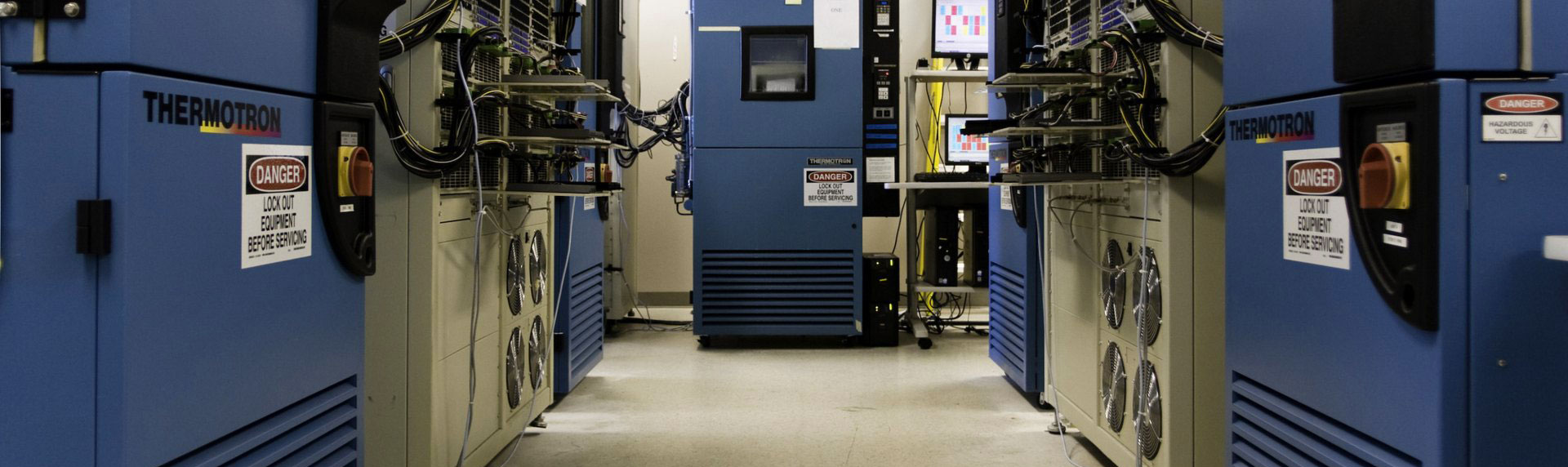
Our organization also provides waterproof testing services against drops under extreme pressure, with its trained and expert staff and advanced technological equipment, among the numerous test, measurement, analysis and evaluation studies it provides for businesses in various sectors.
To get an appointment, to get more detailed information or to request an evaluation, you can ask us to fill in our form and reach you.

