
In the “IEC 60068-2-43 Environmental tests - Part 2-43: Tests - Test Kd: Hydrogen sulfide test for contacts and connections” standard developed by the International Electrotechnical Commission (IEC), it is aimed to evaluate the effects of tarnishing of silver and silver alloys used for contacts and connections. Expedited procedures are explained.

These testing methods:
Given the limited information to be obtained from accelerated corrosion tests, particular attention should be paid to the guidance on these tests given in the standard “IEC 60068-2-46 Essential environmental test procedures - Part 2-46: Tests - Kd test guide: Hydrogen sulphide testing for contacts and connections” should be done. Reference should also be made to the standard “IEC 60335 Household and similar electrical equipment”.
The purpose of the procedure described in the IEC 60068-2-43 standard is:
The main criterion of performance in all tests is the change in contact resistance caused by exposure to the test atmosphere containing hydrogen sulfide.
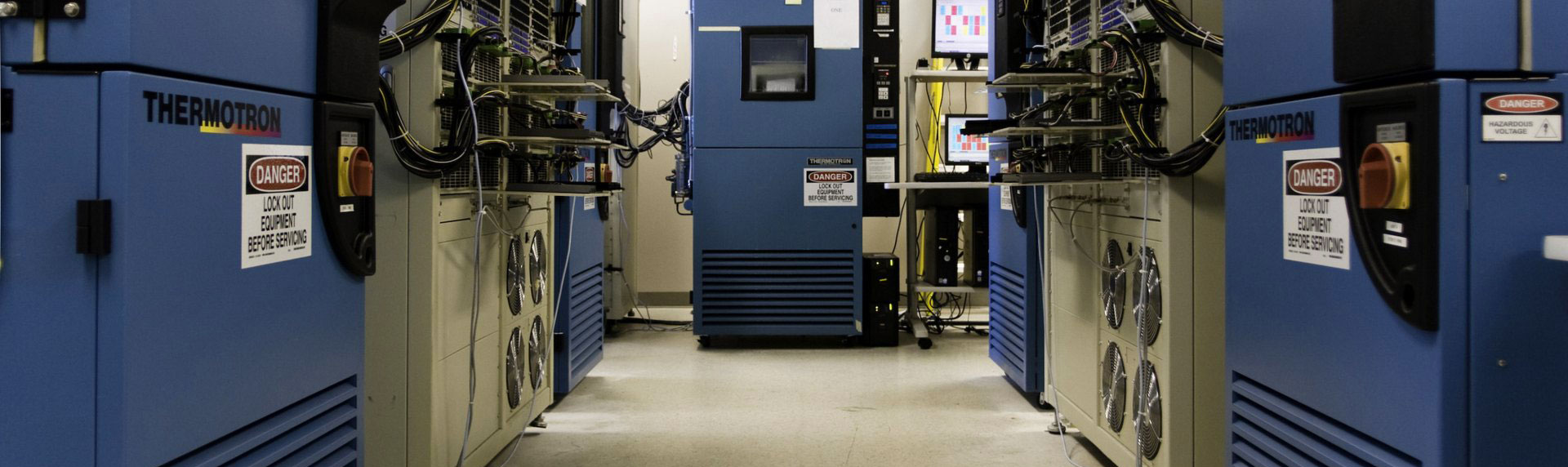
The equipment used when performing this test consists of a climate system, test enclosures, a gas distribution system and instruments for measuring gas concentration. Details of this equipment are included in the standard annex (Annex A).
The test chamber and its auxiliary parts are made of materials that do not react with or absorb hydrogen sulfide and do not affect the corrosive effects of the test atmosphere. The atmosphere enters and exits the chamber through tubes of sufficiently large diameter to ensure that the total flow within the chamber changes at least three and at most five atmospheres per hour. Exhaust from the room should not be allowed into the laboratory.
The detailed construction of the chamber, including the method of generating the test atmosphere, is optional provided that:
The composition of the atmosphere inside the test chamber must meet the following conditions:
Relative humidity is kept as close to 75 percent as possible, but in no case should it exceed 80 percent or fall below 70 percent.
The test atmosphere can be obtained by mixing hydrogen sulfide with air and water vapor to provide a homogeneous mixture.
Samples subjected to testing should not be cleaned in any way unless the manufacturer's instructions require relevant detailed specifications or unless agreed between the parties involved.
Among the numerous testing, measurement, analysis and evaluation studies our organization provides for businesses in various sectors, with its trained and expert staff and advanced technological equipment, "IEC 60068-2-43 Environmental tests - Part 2-43: Tests - Test Kd: Contacts It also provides testing services defined in the "hydrogen sulfide test for connections and connections" standard.
To get an appointment, to get more detailed information or to request an evaluation, you can ask us to fill in our form and reach you.

