
The corrosion process results from a chemical or electrochemical reaction of an exposed surface with the surrounding environment, which gradually leads to material degradation. The triggering mechanism for corrosion to develop is when a liquid or gas is exposed to a chemical attack accelerated by heat, acids or salts.

The phenomenon of corrosion is often referred to as the decay of metals, but almost all materials are subject to degradation, and today the level of pollution accelerates this process. Corrosion can damage buildings and machinery and can be very costly to repair.
Basically, corrosion causes deterioration of the material and loss of its initial properties as a result of the chemical or electrochemical reaction of a material with its environment. This is a natural and irreversible situation.
When metals come into contact with an electrolyte containing dissolved reactive substances such as water (gases and salts dissolved in water aid corrosion), the electrons of the two metals flow into the cathodic area of the metal, where they begin to react with oxygen to form rust. In other words, oxygen is one of the main elements for corrosion to occur. In fact, the humidity in the air at ambient temperature is also sufficient to initiate corrosion.
Other key elements are water in contact with parts subject to corrosion by immersion, capillarity or condensation. However, the following factors also facilitate the corrosion process: alkalinity or acidity of the conductive element (salt and acids accelerate corrosion), stability of the product affected by corrosion, bacteria (bacterial colonies increase oxygen concentration), and temperature.
Metals can rust easily. However, metals are not the only materials exposed to corrosion. Corrosion can also affect non-metallic materials such as concrete and plastic. The disadvantages of corrosion are: clogging or mechanical damage of pipes, loss of mechanical properties, loss of efficiency or contamination due to the release of particles from corrosion.
When corrosion attacks concrete in particular (buildings, bridges), it can suffer from: loss of strength, fatigue, reduced bond strength, and limited ductility.
Meanwhile, polymers also corrode differently. Plastic materials are affected by environmental degradation. Although the material may look the same due to corrosion in the polymers, it may become brittle and lose its mechanical strength. Mechanically stressed polymers in a chemical environment can crack on the surface and cracks can then propagate through the material.
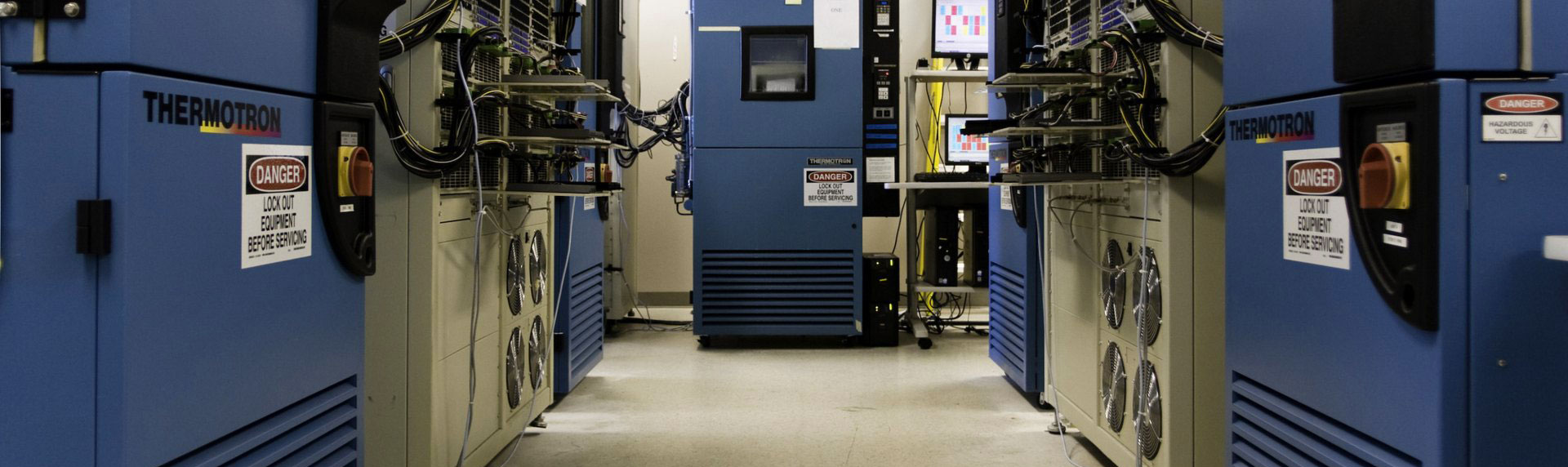
Our organization also provides contact corrosion testing services with its trained and expert staff and advanced technological equipment, among the numerous test, measurement, analysis and evaluation studies it provides for businesses in various sectors.
To get an appointment, to get more detailed information or to request an evaluation, you can ask us to fill in our form and reach you.

