
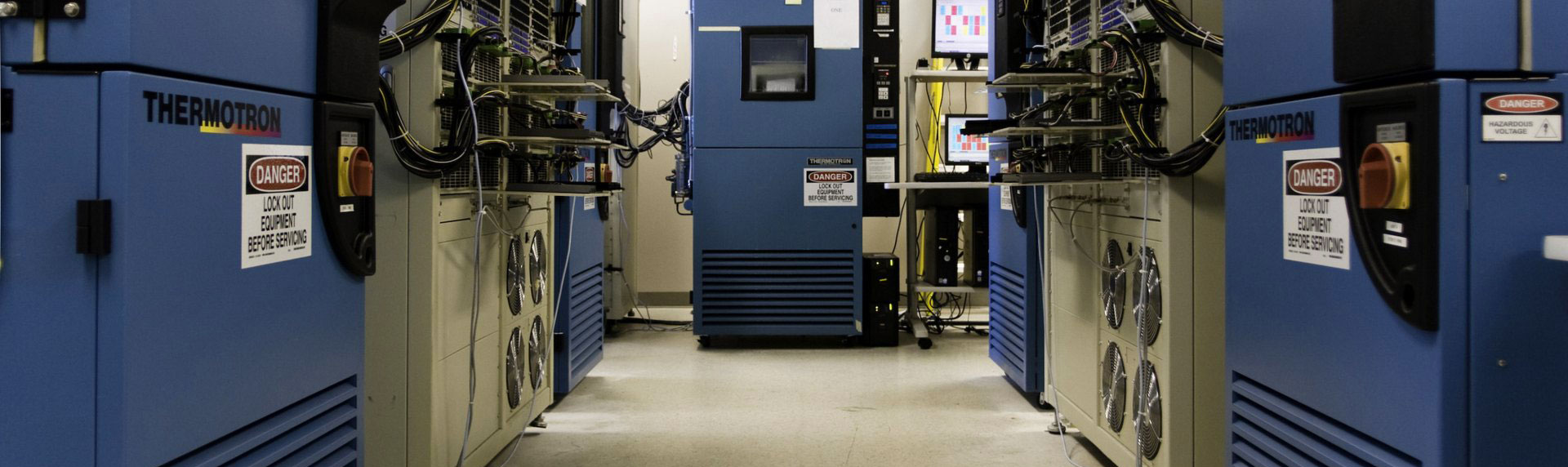
In the manufacturing sector, material selection is extremely important in terms of the strength, durability and safety of the products. In general, terms such as "water resistant", "water repellent" and "waterproof" are used when materials are exposed to liquids.
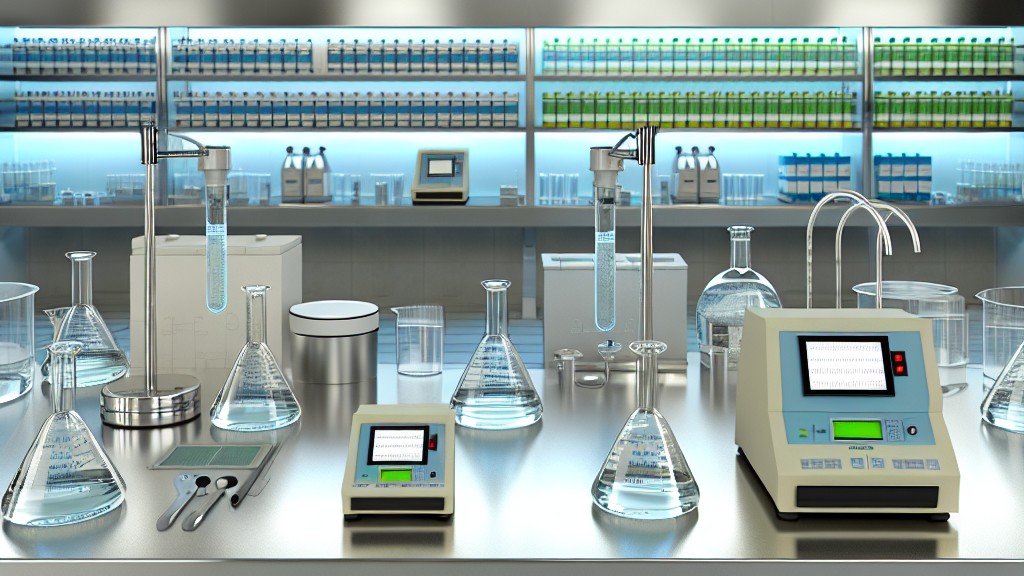
For example, in electronic products and printed circuit boards, waterproof, water-resistant and water-repellent devices are often mentioned. Generally speaking, water-resistant means that it can resist water penetration to some extent, but not completely. Water-repellent means that water does not easily penetrate because it has been treated for this purpose with a surface coating. Waterproof means that the material or product is resistant to water.
Water resistance is the lowest level of water resistance of the three. If a material or product is labeled as water resistant, it means that the structure of the product or material makes it difficult for water to penetrate, or is likely coated with a very light substance that helps increase the chance of survival in the event of an encounter with water. Water resistance is great for items like watches because it helps them withstand light rain or washing hands.
Water repellent coatings are the next step up from water-resistant coatings. Devices labeled as water repellent have properties that repel water from them, making them hydrophobic. Water repellent devices have a better chance of surviving a watery encounter. Many feature thin-film nanotechnology that can coat the inside and outside of an electronic device. Many companies claim to be water repellent, but this statement is debatable due to the rarity of a durable water repellent and all the questions and unforeseen elements that come with it.
There are different methods used to make electronic components water repellent. For example, seals and housings can prevent water from seeping in, making the product moisture resistant. These can add bulk and weight to printed circuit boards (PCBs) and products, and can become dislodged if a consumer drops or bumps a product. Or, moisture from the application environment can seep in. If the project needs lightweight protection, seals and housings can be a good solution.
The concept of waterproofing is more complex. There is no set industry standard for classifying a device as waterproof. When it comes to a rating scale, the closest implementation currently available is the ingress protection rating scale (IP Code). The IP code assigns a rating from 0-8 to these products in terms of how effective the device is at preventing water from entering the device.
Manufacturers take a measured risk when labeling a product as waterproof. Most consumers assume that waterproofing is a permanent condition. However, devices that are waterproofed can still experience water damage under certain circumstances. In this regard, products labeled as water-resistant, water-repellent, or waterproof are often misrepresented through mislabeling.
Meanwhile, a splash-proof product has limited resistance to water damage, which is a form of liquid exposure, and cannot be submerged. For example, splash-proof headphones will be safe from sweat or a light drizzle while running, but you shouldn’t drop them in a puddle.
The IP scale can be used to show the differences between splash-proof and waterproof products. Most waterproof electronic products have an IP67 rating. If a product has an IP44 rating, it is considered splash-proof.
The scale from splash-proof to waterproof includes:
Chemical resistance, on the other hand, can be defined as the ability of a material to protect itself against chemical attack for a certain period of time. Therefore, materials with high chemical resistance are less likely to corrode. Some high chemical resistance materials (such as acrylic resins) are extremely suitable for corrosion resistant materials due to their resistance to chemical activity.
Chemical resistance can also affect the physicochemical properties. A polymer with lower chemical resistance can result in poor mechanical strength, causing surface blistering, swelling, and an inhomogeneous surface of the material, thus losing its functional ability. The main factors affecting chemical resistance include the molecular structure of the polymer, mechanical load, type of additives, concentration of solvent and chemical reagent, exposure time, and temperature.
Polyacrylic has good chemical resistance, allowing it to change color from a yellow stain when exposed to sunlight, changing weather conditions or heat. However, this is dependent on the manufacture of the final product, as chemical resistance can also be affected by additives, fillers and reagents.
Chemically resistant materials are essential for a variety of uses and many environmental conditions. In many adverse environments, materials with high chemical resistance can increase industry efficiency and productivity, while reducing the need for component spare parts and making development more profitable.
The following factors can affect a particular part's resistance to chemical liquids:
Our organization has a strong staff that closely follows the developments in the world in the field of science and technology and constantly improves itself. Among the numerous test, measurement, analysis and evaluation studies provided for businesses in various sectors, there are also liquid exposure testing services.
To get an appointment, to get more detailed information or to request an evaluation, you can ask us to fill in our form and reach you.

