
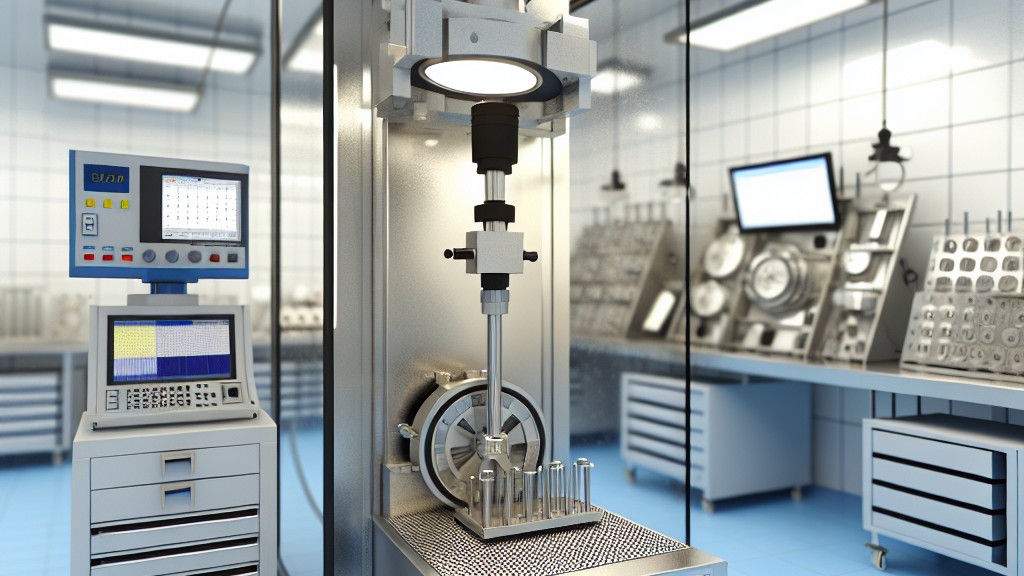
The standard "EN IEC 60068-2-70 Environmental testing - Part 2-70: Tests - Test Xb: Marking and inscription abrasion caused by friction of fingers and hands", which is based on a European standard and subsequently published by the International Electrotechnical Commission (IEC), describes a standard method for determining the resistance of markings and inscriptions on flat or curved surfaces to abrasion caused by, for example, manually operated actuators and keyboards. This method is also suitable for testing resistance to liquid contamination that may occur in normal use.
The test method described in this standard is for contamination by liquids. It simulates the effects of contamination by liquids (liquids or semi-liquids, e.g. oils, cleaning agents, beverages) to which equipment may be exposed during its service life. The purpose of this test is to verify the resistance of materials, surfaces, coatings and enclosures to these liquids. This test helps manufacturers ensure that equipment can handle spills, splashes or cleaning operations without deterioration or failure.
Typical use cases for this standard include:
When starting the tests, it is necessary to prepare the product (telephone, control panel, switch, etc.) exactly as it will be used, not just the raw materials but fully assembled. A specific liquid is chosen (maybe coffee, detergent or oil) depending on what the equipment is expected to encounter in real-world use. The standard sometimes recommends the concentration, temperature and type of liquid. The liquid is applied to the surface of the equipment in a controlled manner (usually with a pipette, syringe, brush or spray device). The amount (volume) and exposure time are carefully specified. In some cases, the equipment may be immersed or exposed to droplets, depending on the risk assessment. Testing is usually done at room temperature. Sometimes it is combined with high temperatures or humidity, depending on the test specification, to simulate more challenging conditions. After exposure to the liquid and an optional drying period, the equipment is checked for:
In short, the EN IEC 60068-2-70 standard Test Xb focuses specifically on the “contamination by liquids - hand contamination” situation. Test Xb simulates what happens when a device or surface is contaminated by liquids from human hands, such as sweat, oils, lotions or anything else that people might have on their hands when they touch a device.
Key points about Test Xb include:
When performing the EN IEC 60068-2-70 Test Xb test, the following steps are generally followed:
The exact amount of liquid, exposure time, and drying conditions may vary depending on how the user determines the test based on the real-world intended use of the product.
Our organization, which has been trying to support businesses from every sector with its testing, measurement, analysis and evaluation studies carried out in a wide range for years, has a strong staff that closely follows the developments in the world in the field of science and technology and constantly improves itself. In this context, testing services are also provided to businesses in accordance with the standard “EN IEC 60068-2-70 Environmental testing - Part 2-70: Tests - Test Xb: Marking and writing abrasion caused by friction of fingers and hands”.
To get an appointment, to get more detailed information or to request an evaluation, you can ask us to fill in our form and reach you.

