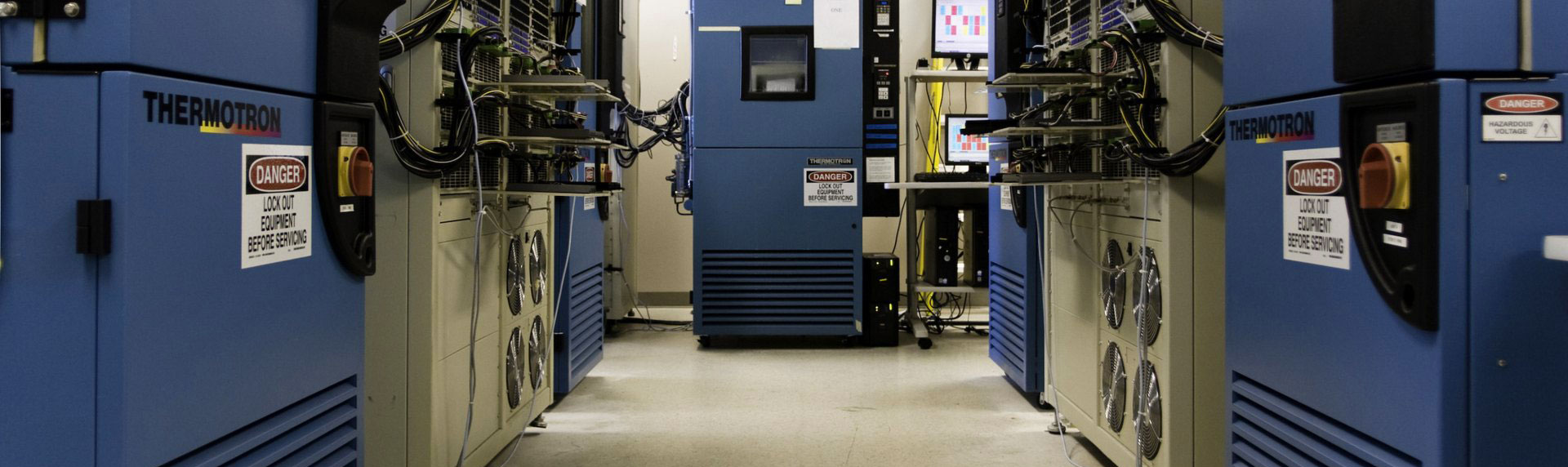
Environmental Testing Standards
EUROLAB With its expert team and state-of-the-art laboratories, it offers reliable and unbiased results in environmental tests, as in all other tests.

EUROLABThe list of environmental tests offered by is as follows;
Altitude Tests
- ASTM D4169-14;
- DEF STAN 00‐35, Chapter 3, Issue 4:2006: Chapter 3‐09 Test CL9 – Rapid and Explosive Decompression;
- GR-63-CORE, Issue 1 Paragraphs 4.1 and 5.1;
- GR-63-CORE, Issue 2, 3 Paragraph 4.1.3 and 5.1.3;
- IEC 60601-11;
- IEC 60721-3-2;
- IEC 60721-4-1:2001+A1:03 – Low air pressure;
- IEC 60721-4-2:2001+A1:03 – Low air pressure;
- IEC 60721-4-3:2001+A1:03 – Low air pressure;
- IEC 60721-4-4:2001+A1:03 - Low air pressure;
- IEC 60721-4-7:2001+A1:03 – Low air pressure;
- ISO 10236 Part 9;
- ISO 14708-1:2000(E);
- JSS 55555:2000 Rev.3 Test Number 3;
- MIL-B-49430C (ER) Paragraph 4.8.7;
- MIL-B-49458C (ER) Paragraph 4.7.7;
- MIL-PRF-49471B (CR) Paragraph 4.7.7;
- MIL-STD-202F Method 105C, Conditions A, B, C, and F;
- MIL-STD-202G Method 105C, Conditions A, B, C, and F;
- MIL-STD-810C Method 500.1, Procedures I and II;
- MIL-STD-810D Method 500.2, Procedures I and II;
- MIL-STD-810E Method 5000.3, Procedures I and II;
- MIL-STD-810F Method 500.4, Procedures I and II;
- MIL-STD-810G Method 500.5 Procedures I, II, and III;
- RTCA / DO‐160D, E, F, G Part 4, Paragraph 4.6.1, Category Ax, Bx, Cx, Dx, Ex, Fx;
- UN Dangerous Goods Transport, Test T.1
Temperature / Altitude Tests
- DEF STAN 00-35, Part 3, Issue 4:2006: Part 3-11 Test CL11 - High Temperature - Low Pressure,
- DEF STAN 00-35, Part 3, Issue 4:2006: Part 3-12 Test CL12 - Low Temperature - Low Pressure Test,
- DEF STAN 00‐35, Chapter 3, Issue 4:2006: Chapter 3-13 Test CL13 – Low Temperature – Low Pressure – High Humidity;
- MIL-STD-810C Method 504.1, Procedure I;
- MIL-STD-810D Method 520.0, Procedure I;
- MIL-STD-810E Method 520.1, Procedure I;
- MIL-STD-810F Method 520.2, Procedure I;
- MIL-STD-810G Method 520.3, Procedure I;
- RTCA / DO‐160D, E, G Part 4
Bench Transport
- MIL-STD-810C Method 516.2, Procedure V;
- MIL-STD-810D Method 516.3, Procedure VI;
- MIL-STD-810E Method 516.4, Procedure VI;
- MIL-STD-810F Method 516.5, Procedure VI;
- MIL-STD-810G Method 516.6, Procedure VI
Chemical Processing
- AMS 2404
- AMS 2418
- AMS 2422
- AMS 2425
- AMS-C-26074
- AMS-P-81728
- AMS-QQ-N-290
- AMS-QQ-P-35
- AMS-QQ-P-416
- AMS-QQ-S-365
- ASTM B545
- ASTM B733
- MIL-C-14550
- MIL-C-26074
- MIL-C-5541
- MIL-DTL-5541
- MIL-G-45204
- MIL-P-27418
- MIL-P-81728
- MIL-R-46085
- MIL-STD-871
- MIL-T-10727
Emissions
- (2000-08)
- ANSI C63 .17 (I 998) and ANSI C63.4 (2003)
- ANSI C63.10-2009
- ANSI C63.10-2013
- ANSI C63.17 (2006) and ANSI C63.4 (2003)
- ANSI C63.4 (2003) and Millimeter Wave Test Procedures
- ANSI C63.4 (2003) by FCC Method – 47 CFR Part 11
- ANSI C63.4 (2003), FCC Method 47 CFR Part 15, Subpart B
- ANSI C63.4 (2003) with FCC Method 47 CFR Part 15, Subpart E
- ANSI C63.4 (2009) – 47 Part 11.
- ANSI C63.4 (2009) with FCC Method 47 CFR Part 15, Subpart B
- ANSI C63.4 (2009) with FCC Method 47 CFR Part 15, Subpart C
- ANSI C63.4 (2009) with FCC Method 47 CFR Part 15, Subpart E
- ANSI C63.4 (2014) with FCC Method 47 CFR Part 15, Subpart B
- AS/NZS CISPR 11 (2011)
- AS/NZS CISPR 22 (2009)
- AS/NZS CISPR 22 (2009) +AI (2010)
- AS/NZS CISPR 22, 3rd Edition (2006)
- AS/NZS CISPR 32:2013
- BS EN 61326-2-2 (2006-06)
- CISPR 12 (2007) + AI (2009)
- CISPR 13, Edition 4.2 (2006-03)
- CISPR 32, Ed. 1 (2012-01)
- CNS 13438 (2006) (up to 6GHz)
- CNS 13439 (20-06)
- EN 12895 (2000)
- EN 50270 (2006-1 l)
- EN 55011 (2009) + AI (2010)
- EN 55011; EN 55022 (2006);
- EN 55012 (2007) +Al (2009)
- EN 55013 (2001) + A l (2003) + A2 (2006)
- EN 55013: 2013
- EN 55014-1 (2006) + Al (2009) + A2 (2011)
- EN 55015: 2013
- EN 55022 (1998) + Al (2000) + A2 (2003)
- EN 55022 (2006) + AI (2007)
- EN 55022: 2010
- EN 55032 (20 12-05)
- EN 55103-1 (2009)
- EN 55103-1 (2009) +Al (2012)
- EN 61000-3-2
- EN 61000-3-2 (2006)
- EN 61000-3-2 (2014)
- EN 61000-3-2:2006 + Al:2009 + A2:2009
- EN 61000-3-3
- EN 61000-3-3, Ed. 2.0 (2008-09)
- EN 61000-3-3:2013 (2013-08)
- EN 61000-6-3 (2007) +Al (2011)
- EN 61000-6-4 (2007)
- EN 61000-6-4 (2007) + AI (2011)
- EN 61326-2-1 (2006-05)
- EN 61326-2-1 (2013)
- EN 61326-2-2 (2013)
- EN 61326-2-3 (2006-08)
- EN61326-2-3:2013
- EN 61326-2-6 (2013)
- IN 62040-2: 2006
- FCC CFR 47 Part 15B, Part 15C (using ANSI C63.4:2003) and Part 18 (using MP-5);
- FCC KDB 789033 (June 6, 2014)
- FCC KDB 905462 (May 15, 2015)
- FCC OST/MP-5 (1986)
- ICES-001
- ICES-001; ICES-003;
- ICES-003 Issue 4 (2004)
- ICES-003 Issue 5 (2012)
- ICES-005 Issue 3 (May 2009)
- ICES-006 Issue 2 (2009)
- IEC 6 1000-3-3 Ed. 3.0 (2013-05)
- IEC 60255-26 (2013-05)
- IEC 61000·6·4 (2006·07)
- IEC 61000-3-11, 1st edition
- IEC 61000-3-12 Ed. 2.0 (2011)
- IEC 61000-3-2 Ed. 3.2 (2009)
- IEC 61000-3-2, Ed. 3.0 (2005) + Al (2008) +A2 (2009)
- IEC 61000-3-2, Ed. 4.0 (2014-05)
- IEC 61000-3-3 Ed. 2.0 (2008)
- IEC 61000-6-4 (2006) +Al (2010)
- IEC 61326-1 Ed. 2.0 (2012)
- IEC/CISPR 11 Ed. 5 (2009-05)
- IEC/CISPR 13, Ed. 5.0 (2009-06)
- IEC/CISPR 14-1, Ed. 5.0 (2005) + AI (2008) + A2 (2011)
- IEC/ClSPR 11Ed5 (2009-05) +Al (2010)
- IEC/EN 61000-3-3 (1995) + Al (2001) + A2 (2005)
- IEEE C63. i 7 (2013)
- ISO 7637-2, Second edition (2004) + AI (2008)
- KN 14-2 (Aru1ex 4) RRA Arulounce 2014-92 (29 December 2014)
- KN 22 (1 to 6 GHz);
- KN 30 I 489-1 (Annex 8-1) w/ RRA Announcement 2013-24 (6/17/2013)
- IEC 30 I 489-3 (Annex 8-8) w/ RRA Arulounce 2013-24 (6117/13)
- KN 301 489-17 (Annex 8-3) w/ RRA Announcement 2013-24 (6/17/13)
- KN 301 489-24 (Arulex 8-4) w/ RRA Announcement 2013-24 (6/ 17/ 13)
- KN 301 489-27 (Arulex 8-14) w/ RRA Announcement 2013-24 (6/17/13)
- IEC 301-489-07 (Arulex 8-2); RRA Announcement2012-21,(28 Jun 2012)
- IEC 301-489-07 (Arulex 8-2); RRA Announcement2013-24,(17 Jun 2013)
- IEC 301-489-24 (Annex 8-4); RRA Announcement2012-21 ,(28 Jun 2012)
- IEC 301-489-27 (Arulex 8-14); RRA Announcement2012-21 (28 June 2012)
- KN 32:2013 (Annex 16)
- RRA Anounce 6-1000 (6/4/15) with IEC 2013 24-6-17 (Annex 2013)
- IEC 61000-3-1 1 (Annex 1-12); RRA 2014-37 (23 September 2014)
- IEC 61000-3-12 (Annex 1-11); RRA 2014-37 (23 September 2014)
- IEC 61000-3-2 (Annex 1-11); RRA 2014-37 (23 September 2014)
- IEC 61000-3-3 (Annex 1-12); RRA 2014-37 (23 September 2014)
- IEC 61000-6-3 (2012-06)
- RRA Announcement 61000-6 (3/14/2013) with IEC 24-6-17 (Annex 13)
- IEC 61000-6-4 (2012-06)
- KN14-l (Annex 4), 2013-24 with RRA Announcement (June 17, 2013)
- RRA Announcement and KN22 (Annex 5) 2012-2 1 (28 June 2012)
- RRA Announcement and KN22 (Annex 5) 2013-24 (June 17, 2013)
- KNI 1 (Annex2), 2012-21 with RRA Announcement (28 June 2012)
- KNl 1(Annex2), 2013-24 with RRA Announcement (June 17, 2013)
- KN4-l (Annex 4), 2012-21 with RRA Announcement (28 June 2012)
- lEC 61000-6-3 (2006-06)
- IEC/CISPR 11, Ed. 4.1 (2004-06) + A2 (2006)
- lEC/CISPR 22, 5th Edition (2005) + A1 (2005) + A2 (2006)
- MIL-STD-461E/F, Methods RE101, RE102, CE101, CE102;
- RRA 20 13-3 and 2013-24, June 17, 2013, Korean only
- RRA 2014-8 and RRA 2014-37 (23 June 2014)
- RRA Announcement 2012-21, N only (28 June 2012)
- RRA Announcement 2013-24, June 17, 2013;Korean only
- RRA General Statement 2011-24, N only (23 December 2011)
- RTCA D0-160G
- RTCA/D0-160F (2007)
- RTCA/DO-160F, Chapter 21
- SI 961 section 6.1
- TCVN 7189:2009
- TCVN 7189:2009 (CISPR 22:2006) VCCI V-3 Convention (2013.04)
- TCVN 7189:2009 (CISPR 22:2006) VCCI V-3 Convention (2014.04)
- TCVN 7189:2009 (CISPR 22:2006) VCCI V-3 Convention (2015.04)
- TCVN 7189:2009 (CISPR 22:2006) VCCl V-3 Convention (2012.04)
- TEC 6 1000-6-3 (2006) +AI (2010)
- TEC/CISPR 22 (2008-09)
- VCCI V-3 (up to 6 GHz);
Immunity
- CISPR 20 (2006) +AI (2013)
- EN 50130-4 (1995) + Al (l998) and A2 (2003)
- EN 50130-4 (2011)
- EN 55014-2:1997 +Al (2001) + A2 (2008)
- EN 55024 (20 I 0)
- EN 55103-2 (2009)
- EN 60945 (2002) and JEC 60945 (2002)
- EN 61000-4-3 (2006) +Al (2008) + A2 (2010)
- EN 61000-6-1 (2007)
- EN 61000-6-2 (2005)
- EN 61326- 1:20 13
- EN 61326-1 (2006)
- IEC 6 1326-2-6 Ed. 2.0 (2012)
- IEC 61000-4-2, Ed. 2.0 (2008-12)
- IEC 61000-4-3 Ed. 3.2 (2010)
- IEC 61000-4-3, Ed. 3.0 (2006-02) + AI (2007) + A2 (20 I0)
- IEC 61000-4-3, Ed. 3.1 (2008-04)
- IEC 61000-4-4, Ed. 2.0 + Take (2010)
- IEC 61000-6-1, 2nd edition (2005-03)
- IEC 61000-6-2, Version 2.0 (2005-0 1)
- IEC/CI SPR 24 ( 1997) and EN 55024 (1998) + A l (2001), A2 (2003)
- IEC/CISPR 14-2 Ed. 1.2 (2008)
- IEC / EN 50121-4
- IEC / EN 55024
- IEC / EN 60601-1-2
- IEC / EN 61000-4-10
- IEC / EN 61000-4-12
- IEC / EN 61000-4-13
- IEC / EN 61000-4-16
- IEC / EN 61000-4-9
- IEC / EN 61326-1
- IEC/EN/CN 61000-4-11
- IEC/EN/CN 61000-4-2
- IEC/EN/CN 61000-4-3
- IEC/EN/CN 61000-4-4
- IEC/EN/CN 61000-4-5
- IEC/EN/CN 61000-4-6
- IEC/EN/CN 61000-4-8
- IEC 60601-1-2 (Annex 2), RRA 2012-22, K only (28 June 2012)
- IEC 60601-1-2 (Annex 2), RRA 2013-25, K only (17 June 2013)
- IEC 61000-6-1 (Annex 11); RRA Announcement 2012-22 (Jun 28, 2012)
- IEC 61000-6-1 (Annex 11); RRA Announcement 2013-25 (Jun 17, 2013)
- IEC 61000-6-2 (Annex 14) w/ RRA Announcement2013-25 (6/17/13)
- IEC 61000-6-2 (Annex 14); RRA Announcement 2012-22 (28 Jun.2012)
- MIL-STD-461E/F, Methods CS101, CS106, CS114, CS115, CS116
- MIL-STD-461E/F, Methods RS101, RS103
- RTCA/DO-160F/160G, Chapter 15
- RTCA/DO-160F/160G, Chapter 16
- RTCA/DO-160F/160G, Chapter 17
- RTCA/DO-160F/160G, Chapter 18
- RTCA/DO-160F/160G, Chapter 19
- RTCA/DO-160F/160G, Chapter 20
- RTCA/DO-160F/160G, Chapter 22
- RTCA/DO-160F/160G, Chapter 25
Mechanical Shock
- ASTM D4169-14, Schedule J- Concentrated Effect (Test Method D6344);
- IEC 60068-2-75 - Hammer Tests;
- IEC 60721-4-1:2001+A1:03 – Shock;
- IEC 60721-4-2:2001+A1:03 – Shock;
- IEC 60721-4-3:2001+A1:03 – Shock;
- IEC 60721-4-4:2001+A1:03 – Shock;
- IEC 60721-4-7:2001+A1:03 – Shock;
- IEC 62262 (EN 62262, IK ratings) – Impact;
- IEC 68-2-27, IEC 60068-2-27:Test Ea;
- IEC 68-2-29, IEC 60068-2-29:Test Eb;
- IS 10236 Section 10 – Impact, IS 10236 Section 12 – Shock;
- ISO 10651-3 Lung Ventilators Medical Use Part 3 Part 4: Protection against mechanical hazards;
- JEDEC Standard JESD22-B104C;
- JSS 55555:2000 Rev. 2 Test Number 4, 24;
- MIL-B-49430, Paragraph 4.8.5;
- MIL-B-49458C (ER), Paragraph 4.7.5;
- MIL-PRF-49471B (CR), Paragraph 3.9;
- MIL-STD-1344A Method 2004.1, Conditions A, B, C, E, F, G, H, and I;
- MIL-STD-1344A Method 2004.1, Conditions A, B, C, E, F, G, H, and I;
- MIL-STD-202F Method 213B, Conditions A, B, C, D, E, F, G,H, I, J, and K;
- MIL-STD-810C Method 516.2, Procedures I, III, IV and VI;
- MIL-STD-810D Method 516.3, Procedures I, II, V and VIII,
- MIL-STD-810E Method 516.4, Procedures I, II, V, and VIII;
- MIL-STD-810F Method 516.5, Procedures I, II, III, V, and VIII;
- MIL-STD-810G Method 516.6 Procedures I, II, III, V, and VIII;
- MIL-STD-883A Method 2002.1, Condition A;
- MIL-STD-883E Method 2002.3, Condition A;
- MIL-STD-883F Method 2002.4, Condition A;
- MIL-STD-883G Method 2002.5, Condition A;
- MIL-STD-883H Method 2002.6, Condition A;
- MIL-STD-883J Method 2002.7, Condition A;
- RTCA/DO-160D Chapter 7, Paragraphs 7.3.1, 7.3.1.1, Collision Safety;
- RTCA/DO-160D, 160E Chapter 7, Paragraph 7.2.1, 7.2.2, Operational;
- RTCA/DO-160E, 160F, 160G Chapter 7, Paragraphs 7.3.1, 7.3.2, Crash Safety;
- UL-1642 4ED Rev. August 2006, Paragraph 14A
Drizzling
- ASTM B117, B117-97, B117-2003;
- DEF STAN 00-35, Part 3, Issue 4:2006 Part 4-02 Test CN2;
- GMW 14872;
- IEC 68-2-11, Test Ka, Salt Mist, Revision 1999;
- IEC 68-2-52, IEC 60068-5-52, Test Kb Salt Mist, Cyclic;
- IS 10236 Chapter 6;
- ISO 9227;
- JSS 55555:2000 Rev. 2 Test Number 9;
- MIL-C-5541E Class: 1A and 3;
- MIL-C-83733;
- MIL-STD-1344A Method 1001.1, Conditions A, B, C, and D;
- MIL-STD-202F Method 101D, Conditions A and B;
- MIL-STD-202G Method 101E, Conditions A and B;
- MIL-STD-810C Method 509.1;
- MIL-STD-810D Method 509.2;
- MIL-STD-810E Method 509.3;
- MIL-STD-810F Method 509.4;
- MIL-STD-810G Method 509.5;
- MIL-STD-883E Method 1009.8, Conditions A, B, C, and F;
- MIL-STD-883F Method 1009.8, Conditions A, B, C, and F;
- MIL-STD-883G Method 1009.8, Conditions A, B, C, and F;
- MIL-STD-883H Method 1009.8, Conditions A, B, C, and F;
- MIL-STD-883J Method 1009.8, Conditions A, B, C, and F;
- RTCA / DO‐160D, E, F, G Section 14
Rain
- BS EN 50130-5:1999 Alarm Systems Part 5: Environmental Test Methods
- DEF STAN 00‐35, Chapter 3, Issue 4:2006 Chapter 3-27;
- DEF STAN 00-35, Chapter 3, Issue 4:2006 Chapter 3-28;
- IEC 60529 IPX1 Vertical Dripping;
- IEC 60529 IPX2 Drip (150 slant);
- IEC 60529 IPX3 Spraying;
- IEC 60529 IPX4 Splash;
- IEC 60529 IPX5 Spraying;
- IEC 60529 IPX6 Power Spray;
- IEC 60529 IPX7 Immersion;
- IEC 60529 IPX8 Immersion;
- IEC 60529 IPX9 Resistance to High Temperature (Steam)/High Pressure Water Ingress;
- IEC 60529-2001 -2, Protection Against Water;
- IEC 60721-4-1:2001+A1:03 – Rain;
- IEC 60721-4-2:2001+A1:03 – Rain;
- IEC 60721-4-3:2001+A1:03 – Rain;
- IEC 60721-4-4:2001+A1:03 – Rain;
- IEC 60721-4-7:2001+A1:03 – Rain;
- IEC 68-2-18, IEC 60068-2-18 Test Rb2;
- IS 10236 Part 14 – Driving Rain;
- JSS 55555:2000 Rev.2 Test Numbers 11,12,16;
- MIL-STD-108, Splash proof;
- MIL-STD-108E, Splash-Proof Paragraph 4.9;
- MIL-STD-810C Method 506.2, Procedures I and II;
- MIL-STD-810D Method 506.3, Procedures I and II;
- MIL-STD-810E Method 506.4, Procedures I and III;
- MIL-STD-810F Method 506.5, Procedures I and III;
- MIL-STD-810G Method 506.6, Procedures I and III;
- RTCA / DO‐160D,E,F,G Chapter 10;
Sand and Dust
- DEF STAN 00-35, Part 3, Issue 4:2006 Part 3-25 Test CL25;
- IEC 60529-2001 COR 1 2003, Degrees of Protection provided by Enclosures (IP Code) Degrees of Protection (IP Code), IP5X,6X;
- IS 10236 Chapter 13;
- JSS 55555:2000 Rev.2 Test Number 14;
- MIL-STD-810 C, D, E, F, G, Method 510, Procedures I, II and III;
- RTCA / DO‐160 C,D,E,F,G, Chapter 12, Procedure II
Solar Radiation (Sunlight)
- ASTM G154-12a;
- BS EN 50130-5:11;
- BS EN 50130-5:1999 Alarm Systems Part 5: Environmental Test Methods;
- IEC 60068-2-5:10;
- IEC 60068-2-5:75; Section 2-5: Tests – Test Sa;
- IEC 60721-4-1:2001+A1:03 – Solar Radiation;
- IEC 60721-4-2:2001+A1:03 – Solar Radiation;
- IEC 60721-4-3:2001+A1:03 – Solar Radiation;
- IEC 60721-4-4:2001+A1:03 – Solar Radiation;
- IEC 60721-4-7:2001+A1:03 – Solar Radiation;
- IS 10236 Chapter 16;
- JSS 55555:2000 Rev.2 Test Number 25
- MIL-STD-810C, D, E, F, G Method 505.1, Procedure I;
- MIL-STD-810C, D, E, F, G Method 505.1, Procedure II;
Temperature
- EIA/JEDEC Standard EIA/JESD22-A104-B;
- EN 50130-5 Part 8 Dry Heat (Operation);
- EN 50130-5:1999 Part 10 Cold (Operation);
- EN 50130-5:1999 Part 11 Temperature Variation (Operation);
- EN 50130-5:1999 Part 8 Dry Heat (Operation);
- EN 50130-5:1999 Part 9 Dry Heat (Endurance);
- ETSI 300-019-2-1,2,3,4,5,6,7,8;
- GR-1221-CORE, Paragraph 6.2.4, High Temperature;
- GR-1221-CORE, Paragraph 6.2.6, Low Temperature;
- GR-1221-CORE, Paragraph 6.2.7, Thermal Shock;
- GR-63-CORE, Paragraph 5.1.1.1, Low Temperature;
- GR-63-CORE, Paragraph 5.1.1.2, High Temperature;
- IEC 60721-4-1:2001+A1:03 – High Temperature;
- IEC 60721-4-1:2001+A1:03 – Low Temperature;
- IEC 60721-4-1:2001+A1:03 – Temperature cycling;
- IEC 60721-4-2:2001+A1:03 – High Temperature;
- IEC 60721-4-2:2001+A1:03 – Low Temperature;
- IEC 60721-4-2:2001+A1:03 – Temperature cycling;
- IEC 60721-4-3:2001+A1:03 – High Temperature;
- IEC 60721-4-3:2001+A1:03 – Low Temperature;
- IEC 60721-4-3:2001+A1:03 – Temperature cycling;
- IEC 60721-4-4:2001+A1:03 - High Temperature;
- IEC 60721-4-4:2001+A1:03 - Low Temperature;
- IEC 60721-4-4:2001+A1:03 – Temperature cycling;
- IEC 60721-4-7:2001+A1:03 – High Temperature;
- IEC 60721-4-7:2001+A1:03 – Low Temperature;
- IEC 60721-4-7:2001+A1:03 – Temperature cycling;
- IEC 68-2-1, IEC 60068-2-1, Test Aa, Ab, Ac and Ad, Low Temperature;
- IEC 68-2-14, IEC 60068-2-14, Test Na, Nb and Nc, Temperature Cycle;
- IEC 68-2-2, IEC 60068-2-2, Test Ba, Bb, Bc and Bd, High Temperature;
- IS 10236 Part 2 – Dry Heat;
- IS 10236 Part 8 – Thermal Shock;
- IS10236 Part 3 – Cold;
- ISO 14708-1:200 (E);
- JSS 55555:2000 Rev. 2 Test Numbers 13, 20, 22;
- MIL-STD-202F Method 107D, Conditions A, A-1, A-2, A-3, B, B-1, B-2, B-3, F, F-1, F-2, and F-3 , Thermal Shock;
- MIL-STD-202F, Method G 108A, High Temperature;
- MIL-STD-202G Method 107G, Conditions A, A-1, A-2, A-3, B, B-1, B-2, B-3, F, F-1, F-2, and F-3 , Thermal Shock;
- MIL-STD-810C Method 501.1, Procedure I, High Temperature;
- MIL-STD-810C Method 501.1, Procedure II, Temperature Cycle;
- MIL-STD-810C Method 502.1, Procedure I, II, III Low Temperature;
- MIL-STD-810C Method 503.1, Procedure I, Thermal Shock;
- MIL-STD-810D Method 501.2, Procedure I, II High Temperature;
- MIL-STD-810D Method 502.2, Procedure I, II, III Low Temperature;
- MIL-STD-810D Method 503.2, Procedure I, Thermal Shock;
- MIL-STD-810E Method 501.3, Procedure I, II High Temperature;
- MIL-STD-810E Method 502.3, Procedure I, II Low Temperature;
- MIL-STD-810E Method 502.3, Procedure III, Low Temperature;
- MIL-STD-810E Method 503.3, Procedure I, Thermal Shock;
- MIL-STD-810F Method 501.4, Procedure I, II High Temperature;
- MIL-STD-810F Method 502.4, Procedure I, II, III Low Temperature;
- MIL-STD-810F Method 503.4, Procedure I, II Thermal Shock;
- MIL-STD-810G Method 501.5, Procedure I, II High Temperature;
- MIL-STD-810G Method 502.5, Procedure I, II, III Low Temperature;
- MIL-STD-810G Method 503.5, Procedure I, II Thermal Shock;
- MIL-STD-883E, F, G, H Method 1010.7, Conditions A, B, C, and F, Thermal Shock;
- RTCA / DO‐160D, E, F, G Sections 4 and 5;
- TIA/EIA 455-4C, High Temperature
Temperature and Humidity
- BS EN 50130-5:1999 Alarm Systems Part 5: Environmental Test Methods;
- DEF STAN 00‐35, Chapter 3, Issue 4:2006;
- EIA/JEDEC Standard EIA/JESD22-A101-B;
- EN 50130-5:1999 Part 12 Humid Heat, Steady State (Operation);
- EN 50130-5:1999 Part 13 Damp Heat (Endurance);
- EN 50130-5:1999 Part 14 Humid Heat Cycle (Operation);
- EN 50130-5:1999 Part 15 Humid Heat Cycle (Endurance);
- GM 9123P;
- GR-1221-CORE, Paragraphs 6.2.5 and 6.2.8, Humidity;
- GR-63-CORE, Issues 1, 2 and 3, Paragraph 5.1.2, Humidity;
- GR-63-CORE, Issue 1, Paragraph 5.1.1.3, Humidity;
- IEC 60068-2-56, Test Cb, Humidity superseded by IEC 680068-2-78:2001;
- IEC 60721-4-1:2001+A1:03 – Humidity/Damp Heat;
- IEC 60721-4-2:2001+A1:03 – Humidity/Damp Heat;
- IEC 60721-4-3:2001+A1:03 – Humidity/Damp Heat;
- IEC 60721-4-4:2001+A1:03 – Humidity/Damp Heat;
- IEC 60721-4-7:2001+A1:03 – Humidity/Damp Heat;
- Replaced by IEC 68-2-3, Test Ca, Humidity IEC 60068-2-78;
- IEC 68-2-30, IEC 60068-2-30, 3ed 2005, Test Db, Humidity;
- IEC 68-2-38 led 1974, Test Z/AD, Humidity;
- IS 10236 Part 4 – Moist Heat;
- IS 10236 Part 5 – Moist Sensation (Cyclic);
- ISTA 1A- 2014, ISTA 2A-2011, ISTA 3A-2008;
- JSS 55555:2000 Rev. 2 Test Number 10, 27;
- MIL-STD-1344A Method 1002.2, Type I, Conditions A, B, C, and D;
- MIL-STD-1344A Method 1002.2, Types II and III;
- MIL-STD-202F Method 103B, Conditions A, B, C, and D, Humidity;
- MIL-STD-202F Method 106E, Humidity;
- MIL-STD-202G Method 103B, Conditions A, B, C, and D, Humidity;
- MIL-STD-202G Method 106G, Humidity;
- MIL-STD-810C Method 507.1, Procedures I, II, III, IV, and VI;
- MIL-STD-810D Method 507.2, Procedures I, II and III;
- MIL-STD-810E Method 507.3, Procedures I, II and III;
- MIL-STD-810F Method 507.4, Procedure I;
- MIL-STD-810G Method 507.5 Procedures I and II;
- MIL-STD-883E Method 1004.7;
- MIL-STD-883F Method 1004.7;
- MIL-STD-883G Method 1004.7;
- MIL-STD-883 H Method 1004.7;
- MIL-STD-883J Method 1004.7;
- RTCA / DO‐160C,D,E,F,G Chapter 6;
- TIA/EIA 455-5C, Method A, Conditions A, B, C, D and E, Humidity;
- TIA/EIA 455-5C, Methods B and C, Humidity;
Vibration
- ASTM D4169-14;
- ASTM D4728, ASTM D4728-95, D4728-2006 Random Vibration;
- ASTM D4728, ASTM D4728-95, D4728-2006 Random Vibration;
- ASTM D4728, Random Vibration;
- ASTM D999, ASTM D999-96, D999-2001 (Method A1, B, C, Sine Vibration);
- ASTM D999, ASTM D999-96, D999-2001 Method Al, B, C, Sine Vibration;
- ASTM D999, Methods A1, B, C, Sine Vibration;
- BMW Group GS95003-1;
- BRB/LU Ltd /RIA SPECIFICATION No 20:1988 (Test for Rail Vehicles);
- BS EN 50130-5:1999 Alarm Systems Part 5: Environmental Test methods
- BS EN 50155:2007;
- BS EN 61373:1999;
- DEF-STD 00-35 part 3;
- DEF-STD 00-35 part 5;
- DNV (DET NORSKE VERITAS) CERTIFICATE STANDARD NO. 2.4: ENVIRONMENTAL TEST SPECIFICATIONS FOR DEVICE AND AUTOMATION EQUIPMENT (April 2006);
- EIA/JEDEC STANDARD EIA/JESD22 –B103-B;
- EN 50130 Part 22,23 Vibration, Sinusoidal;
- EN 50130:1999 Part 22 Vibration, Sinusoidal (Operation);
- EN 50130:1999 Part 23 Vibration, Sinusoidal (Endurance);
- ETSI 300-019-2-1, 2, 3, 4, 5, 6, 7, 8;
- GM 3155 – General Motors Engineering Standards;
- GM 9123P – General Motors Engineering Standards;
- GR-1221-CORE, Paragraph 6.2.2, Sinus Vibration;
- GR-63-CORE, Paragraph 5.4.2, Sinus Vibration;
- GR-63-CORE, Paragraph 5.4.3, Sinus Vibration;
- IEC 60601-11;
- IEC 60721-3-2;
- IEC 60721-4-1:2001+A1:03 – Sine Vibration;
- IEC 60721-4-2:2001+A1:03 – Random Vibration;
- IEC 60721-4-2:2001+A1:03 – Sine Vibration;
- IEC 60721-4-3:2001+A1:03 – Sine Vibration;
- IEC 60721-4-4:2001+A1:03 – Sine Vibration;
- IEC 60721-4-7:2001+A1:03 – Random Vibration;
- IEC 60721-4-7:2001+A1:03 – Sine Vibration;
- IEC 68-2-34:73 AMD 1 83, Test Fd, Random Vibration;
- IEC 68-2-36, Test Fdb, Random vibration replaced by IEC 60068-2-64;
- IEC 68-2-6, IEC 60068-2-6, Test Fc, Sine Vibration;
- IEC 68-2-64 1993 COR 1 1993, Test Fh, Random Vibration;
- IS 10236 Chapter 11;
- ISO 10651-3 Lung Ventilators Medical Use Part 3;
- ISO 14708-1:200 (E), Part 4: Protection against mechanical hazards;
- ISTA 1A-2014, ISTA 2A-2011, ISTA 3A-2008;
- JIS E 3014: 1999 Part of railway signal – Vibration Test Methods;
- JSS 55555:2000 Rev. 2 Test Number 4, 28;
- MIL-B-49430, Paragraph 4.8.6, Sine Vibration;
- MIL-B-49458C (ER), Paragraph 4.8.6, Sinus Vibration;
- MIL-DLT-62547C(EC);
- MIL-PRF-49471B (CR), Paragraph 4.7.6;
- MIL-STD 167 -1A:05 - Vibrations of Ship Equipment;
- MIL-STD-I 344A Method 1015, Condition B (Group III) Sine Vibrations;
- MIL-STD-I 344A Method 2005.1, Conditions I, II, III, IV, V (A, B, C, D, E, F, G,H, J, K), VI (A, B, C, D) , E, F, G, H, J, K);
- MIL-STD-202F Method 201A, Sine Vibration;
- MIL-STD-202F Method 204D, Test Conditions A, B, C, D, E, F, G, H, Sine Vibration;
- MIL-STD-202F Method 214 Condition I, Test Conditions A, B, C, D, E, F, G, H, J, K, Random Vibration;
- MIL-STD-202F Method 214 Condition II, Test Conditions A, B, C, D, E, F, G, H, J, K, Random Vibration;
- MIL-STD-202G Method 201 A, Sine Vibration;
- MIL-STD-202G Method 204D, Test Conditions A, B, C, D, E, F, G, H, Sine Vibration;
- MIL-STD-202G Method 214 Condition I, Test Conditions A, B, C, D, E, F, G, H, J, K, Random Vibration;
- MIL-STD-202G Method 214 Condition II, Test Conditions A, B, C, D, E, F, G, H, J, K, Random Vibration;
- MIL-STD-8 10F Method 514.5, Category 24, Procedure 1, Sinus Vibration;
- MIL-STD-8 1OE Method 519.4, Gunfire Vibration;
- MIL-STD-8 I0E Method 514.4, Category 10, Procedure 1, Sine and Random Vibration;
- MIL-STD-810C Method 514.2, Procedure 1, Curve B, Sine Vibration;
- MIL-STD-810C Method 514.2, Procedure 1, Curve M, Sine Vibration;
- MIL-STD-810C Method 514.2, Procedure I, Curve AR-L, Sine Vibration;
- MIL-STD-810C Method 514.2, Procedure IA, Figure 514.2-2A, Random Vibration;
- MIL-STD-810C Method 514.2, Procedure IIA, Figure 514.2-4, Random Vibration;
- MIL-STD-810C Method 514.2, Procedure IIB, Figure 514.2-4A, Random Vibration;
- MIL-STD-810C Method 514.2, Procedure V, VI, VII, Figure 514.2-4A, Sine and Random Vibration;
- MIL-STD-810C Method 514.2, Procedure VIII, Curve V, Sine Vibration;
- MIL-STD-810C Method 514.2, Procedure VIII, Curve W, Sine Vibration;
- MIL-STD-810C Method 514.2, Procedure VIII, Curve Y, Sine Vibration;
- MIL-STD-810D Method 514.3, Category 1, Procedure I, Random Vibration;
- MIL-STD-810D Method 514.3, Category 10, Procedure 1, Sine and Random Vibration;
- MIL-STD-810D Method 514.3, Category 4, 5, 6, 7B, 7C, 8, 9, Procedure I, Random Vibration;
- MIL-STD-810D Method 514.3, Category 7A, Procedure IV, Random Vibration;
- MIL-STD-810D Method 519.3, Random Vibration;
- MIL-STD-810E Method 514.4, Category 1, 4, 5, 6, 7B, 7C, 8, 9, Procedure I, Random Vibration;
- MIL-STD-810E Method 514.4, Category 7A, Procedure IV, Random Vibration;
- MIL-STD-810E Method 521.1;
- MIL-STD-810F Method 514.5 Category 1, 2, 3, 4, 7, 8, 9, 10, 11, 12, 13, 14, 16, 17, 18, 19, 20, 21, 22, 23, 25, Procedure I, Random Vibration;
- MIL-STD-810F Method 514.5, Category 15, 17, 18, 19, Procedure IV, Random Vibration;
- MIL-STD-810F Method 514.5, Category 20, Procedure III, Random Vibration;
- MIL-STD-810F Method 519.5, Gunfire Vibration;
- MIL-STD-810F Method 521.2;
- MIL-STD-810F Method 528, Ship Equipment;
- MIL-STD-810G Method 514.6, Category 1, 2, 3, 4, 7, 8, 9, 11, 12, 13, 14, 16, 17, 18, 19, 20, 221, 22, 23, 24, 25 , Procedure I, Random Vibration;
- MIL-STD-810G Method 514.6, Category 15, 17, 18, 19, Procedure IV, Random Vibration;
- MIL-STD-810G Method 514.6, Category 20, Procedure III, Random Vibration;
- MIL-STD-810G Method 519.6, Gunfire Vibration;
- MIL-STD-810G Method 521.3;
- MIL-STD-883E, F, G, H, J Method 2005.2, Test Conditions A, B, C, Sine Vibration;
- MIL-STD-883E, F, G, H, J Method 2006.1, Sine Vibration;
- MIL-STD-883E, F, G, H, J Method 2007.2, Test Conditions A, B, C, Sine Vibration;
- MIL-STD-883E, F, G, H, J Method 2026, Condition 1, Test Conditions A, B, C, E, F, G, H, J,K, Random Vibration;
- MIL-STD-883E, F, G, H, J Method 2026, Condition 11, Test Conditions A, B, C, E, F, 0, H, J, K, Random Vibration;
- NATO AECTP-400 Edition 3;
- QM-333 Paragraph 12.0, Category A, B, C, D, Sine Vibration;
- RTCA/DO-160D Part 8;
- RTCA/DO-160E Part 8;
- RTCA/DO-160F Part 8;
- RTCA/DO-160G Part 8;
- TIA/EIA 455-1 1C, TIA/EIA 455-11C, Condition VI, Random Vibration;
- TIA/EIA 455-1 IC, TIAIEIA 455-11C, Condition I, Sine Vibration;
- TIA/EIA 455-1 IB, TIA/EIA 455-11C, Condition I, Sinus Vibration;
- TIA/EIA 455-1 IB, TIA/EIA 455-11C, Condition VII, Random Vibration;
- TIA/EIA 455-1 IC, TIA/EIA 455-11C, Condition III, Sine Vibration;
- TIA/EIA 455-11C, TIA/EIA 455-11C, Condition IV, Sinus Vibration;
- TIA/EIA 455-1113, TIA/EIA 455-11C, Condition 11, Sinus Vibration;
- TIA/EIA 455-1113, TIA/EIA 455-11C, Condition III, Sinus Vibration;
- TIA/EIA 455-1113, TIA/EIA 455-11C, Condition IV, Sinus Vibration;
- TIA/EIA 455-1113, TIA/EIA 455-11C, Condition VI, Random Vibration;
- TIA/EIA 455-11B, TIA/EIA 455-11C, Condition IV, Sinus Vibration;
- TIA/EIA 455-11C, TIA/EIA 455-11C, Condition II, Sinus Vibration;
- TIA/EIA 455-11C, TIA/EIA 455-11C, Condition IV, Sinus Vibration;
- TIA/EIA 455-11C, TIA/EIA 455-11C, Condition VII, Random Vibration;
- UL-1642, Paragraph 15, Sine Vibration;
- UN Dangerous Goods Transport, Test T.2, Sinus Vibration;
In the test, analysis, measurement and evaluation studies carried out in our organization, national and international standards and applicable legal regulations are complied with and reliable and impartial results are obtained. Environmental testing services are among the numerous tests carried out in this context.