

In the textile industry, the primary function of outdoor clothing is to provide protection against environmental factors. In a wet environment, the main requirement for clothing is to keep the wearer dry. Therefore, the outer layer of the garment must be moisture-resistant. In fact, water-repellent, water-resistant, and waterproof fabrics and garments have somewhat different properties.
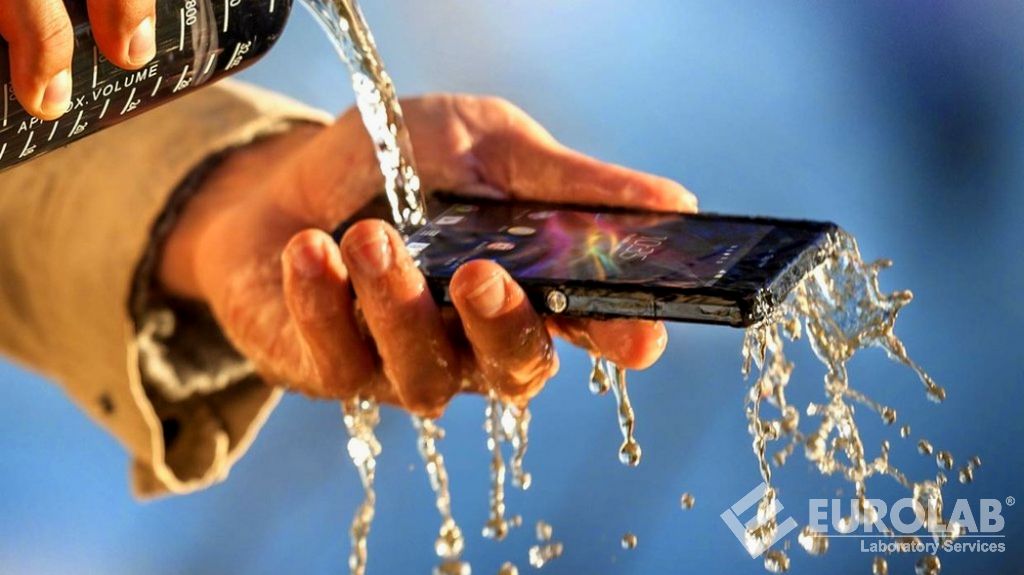
In contact with water, water-repellent materials form beads on the outside that can be easily removed from the fabric surface. This means that water cannot easily penetrate the material. However, for longer contact with water or higher pressure difference, this material can absorb water. Water-repellent fabrics are usually compact textile structures or common materials treated with hydrophobic chemicals. Although water-resistance and water-repellent are often used interchangeably, water-resistant fabrics will last longer to be soaked with water. The waterproofness of a material is defined as the impermeability of that material by liquids, that is, a waterproof material must be waterproof.
There are two methods to measure the waterproofness of the fabric. The first simulates rain while the other exposes the fabric to hydrostatic pressure. The minimum value for hydrostatic pressure that does not leak on the surface of the fabric, which is considered rainproof, is 5.000 mm water column, while for waterproof materials, the hydrostatic pressure can reach 10.000-15.000 mm water column. Materials designed for harsh conditions generally have a waterproof rating of between 15.000 and 30.000 mm of water column. Such fabrics are completely waterproof and do not leak even under heavy rain.
Here are a few standards published by the American Association of Textile Chemists and Colorists (AATCC) based on water resistance tests performed in advanced laboratories:
Our organization also provides water resistance testing services with its trained and expert staff and advanced technological equipment, among the numerous test, measurement, analysis and evaluation studies it provides for businesses in various sectors.
To get an appointment, to get more detailed information or to request an evaluation, you can ask us to fill in our form and reach you.

