
Impact safety is a comprehensive security resource for businesses in all industries and fields looking to reduce risk, protect assets and create a safe, compliant work environment.

Impact resistance refers to a material's ability to withstand sudden or intense force or shock. Impact is one of the main groups of hazards and is a common hazard in many types of work. For example, during a fall, an employee's body harness, lifeline, self-retracting lanyard, and anchor are all subject to high impact. As long as each of these components withstands the strength of this impact, personal protective equipment ensures the safety of the worker.
While the natural qualities of the material play a large role in determining the level of impact resistance, environmental factors such as temperature can affect the amount of energy the material can absorb.
Impact safety is not limited to personal protective equipment. Toughened glass, for example, increases impact strength by up to five times and collapses into relatively harmless small particles when broken. Laminated glass is not stronger than the annealed glass from which it is formed, but the layer in between binds the glasses together. Glued panels resist penetration and hold broken glass together, reducing the risk of damage. There are standards and application rules specifying where impact resistant glass should be used. In general, safety glass is designed to reduce or minimize the chance of injury to people when the glass is broken.
Woodworking, another industrial area, which includes furniture manufacturing, is a growing manufacturing industry. Durable wooden furniture plays an important role for the future circular economy. However, today, efforts are underway to ensure that wooden furniture can be used for a long time and be safe. For example, solid armchairs or sofa sets are produced in high quality, environmentally friendly and durable. Natural wood is a material that does not go out of fashion, can be passed on from generation to generation and sometimes increases in value.
Wood flour and polypropylene are mixed for the production of wood-based composite materials, and composite sheets in various sizes are produced from the pellets obtained by hot press molding technique. Then, tensile, bending and impact resistance tests of these composite sheets are carried out according to international standards. Among these materials, the highest impact resistance was obtained in the composite sample with 20 percent wood flour. Reinforcing natural fibers or wood flour is the main load bearing component in wood plastic composite materials. These components provide high strength and rigidity under the mechanical force applied to composite materials. It also draws attention as environmentally friendly materials. With the increase in environmental awareness, raw materials are now used more efficiently and the possibilities of recycling waste materials are being investigated.
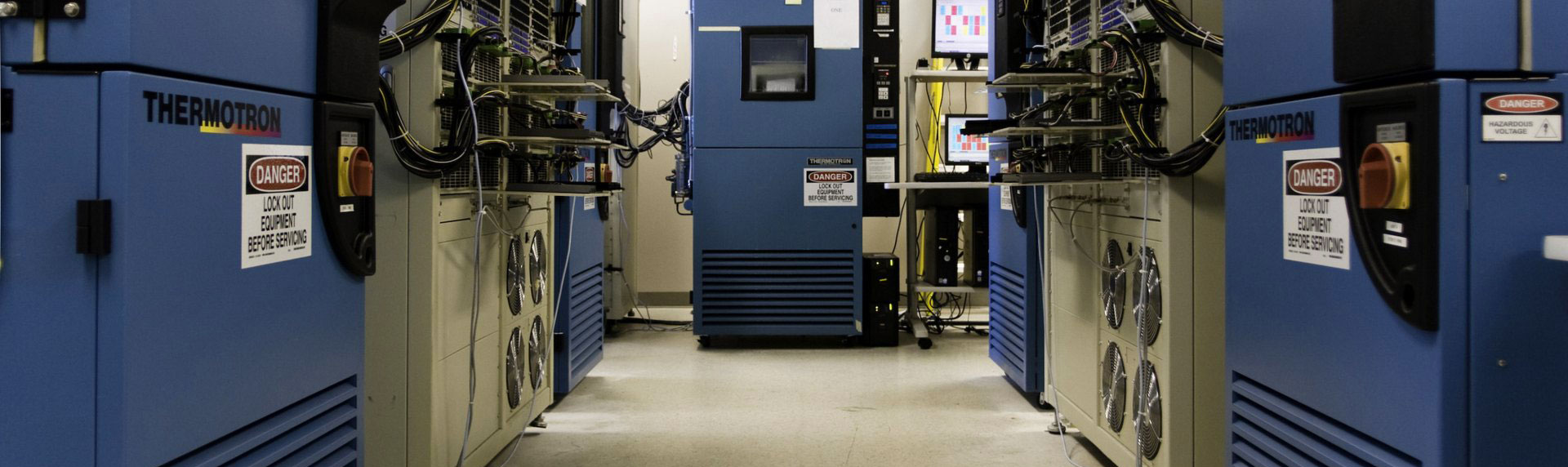
Our organization also provides impact safety testing services with its trained and expert staff and advanced technological equipment, among the numerous test, measurement, analysis and evaluation studies it provides for businesses in various sectors.
To get an appointment, to get more detailed information or to request an evaluation, you can ask us to fill in our form and reach you.

