
The NF C20-761 standard, a French standard, defines standardized composite testing methods to determine the ability of samples, especially components, to withstand environmental conditions consisting of a range of climatic stresses to which these samples are exposed. These stresses follow a specific order: temperature, humidity and, if necessary, low atmospheric pressure. The order in which the stresses are applied and the transition conditions from one phase to the next have been chosen to accelerate and amplify the same types of degradation systems as those observed under natural climatic conditions. The test methods described are generally applied following other tests involving mechanical stress, such as strength of terminations, lead strength, solderability, shock and vibration tests, as a way to determine whether the tightness of the samples is affected, i.e. whether the seal is damaged.

While preparing this standard, the IEC 60068-2-61 standard published by the International Electrotechnical Commission (IEC) is based on (IEC 60068-2-61 Environmental tests - Part 2-61: Test methods - Test Z/ABDM: Climatic ranking). This standard describes a climatic sequence for products, primarily components, based on the IEC 68-1 standard. This standard contains guidance for testers.
Briefly, the NF C20-761 standard provides test methods for determining the suitability of a sample when subjected to environmental conditions consisting of a range of environmental stresses of temperature, humidity and, where appropriate, low air pressure. Environmental conditions occurring in nature are also classified in IEC 721-2 and IEC 721-3 standards.
The NF C20-761 standard is also applied to other electrotechnical products when the degradation mechanisms are the same and the specified requirements for testing can be met. Where any change is required, the relevant specification should provide the necessary information for each step in the chosen method.
In general, environmental testing falls into one of four classifications: development testing, proficiency testing, acceptance testing, or stress screening. The Z/ABDM test method falls under the stress screening class. Stress scanning is a tool for exposure to the environment that will accelerate potential failures at various stages of production and identify manufacturing defects early in the production cycle.
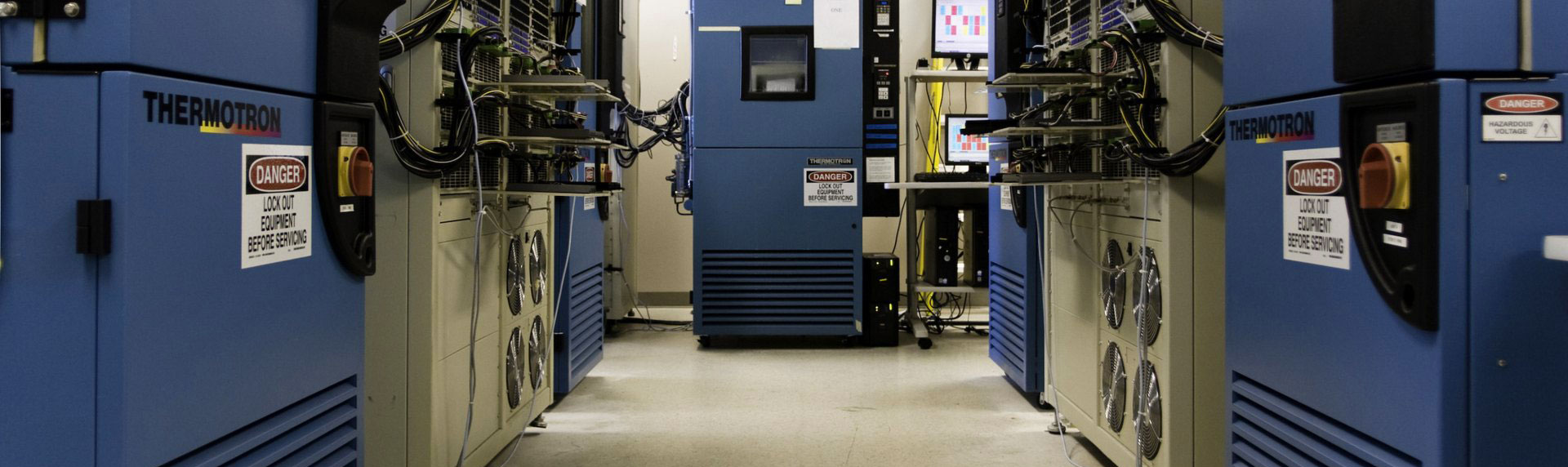
Among the numerous test, measurement, analysis and evaluation studies it provides for businesses in various sectors, our organization also provides test method services for Z/ABDM climate tests within the scope of NF C20-761 standard, with its trained and expert staff and advanced technological equipment.
To get an appointment, to get more detailed information or to request an evaluation, you can ask us to fill in our form and reach you.

