
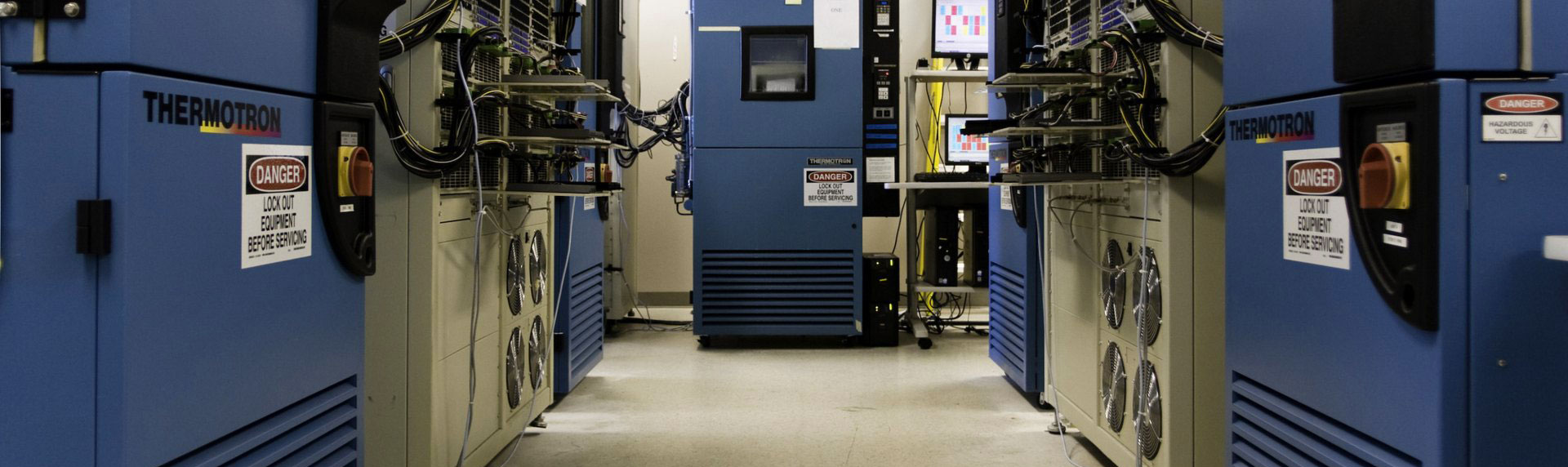
The pressure or load at which a material fails to compress is generally used to determine the strength of concrete, masonry, stone, packages and similar wall and cladding materials. The maximum load per unit area applied at a certain rate, which a material can withstand before failure, expresses the crushing strength of this material. In other words, crush strength is the maximum compressive stress that a brittle solid can withstand without breaking.
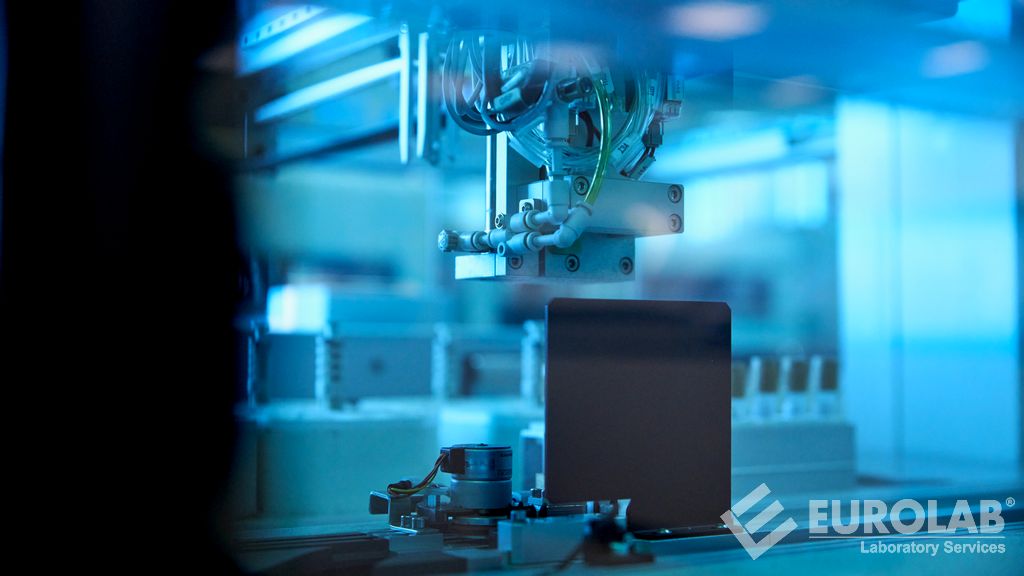
Crush strength is an effective way to measure how much load a surface or material can bear. To test this type of force, a downward force is applied to the top of the material and matched with an equal and opposite force applied from the bottom up. In other words, the material is crushed and then a simple mathematical formula is used to determine the compressive load it receives before the material fails. This formula is: compressive strength = force or load at breaking point / initial cross-sectional surface area.
A crush strength test requires precise measurements. The crushing of a crush strength test must therefore be done under carefully controlled conditions, including equal and opposite forces applied to compress the material from both the top and bottom. Testing in a real build environment is not easy, as these tests are done to the point of failure or permanent deformation. Instead, a cubic or cylindrical sample is tested. The cubic or cylindrical shape allows to have flat, parallel surfaces at the top and bottom of the sample, and both faces must be cross-sectional, ie taken at right angles to the vertical axis of the sample. After the sample has been placed in the appropriate apparatus, it is necessary to note two data points:
Generally defined as permanent deformation, it is the slow application of force until failure. That is, a deformation that does not return to its original shape when the compressive force is removed. Most often, permanent deformation occurs when the material fractures.
Our organization also provides crush strength testing services with its trained and expert staff and advanced technological equipment, among the numerous test, measurement, analysis and evaluation studies it provides for businesses in various sectors.
To get an appointment, to get more detailed information or to request an evaluation, you can ask us to fill in our form and reach you.

