
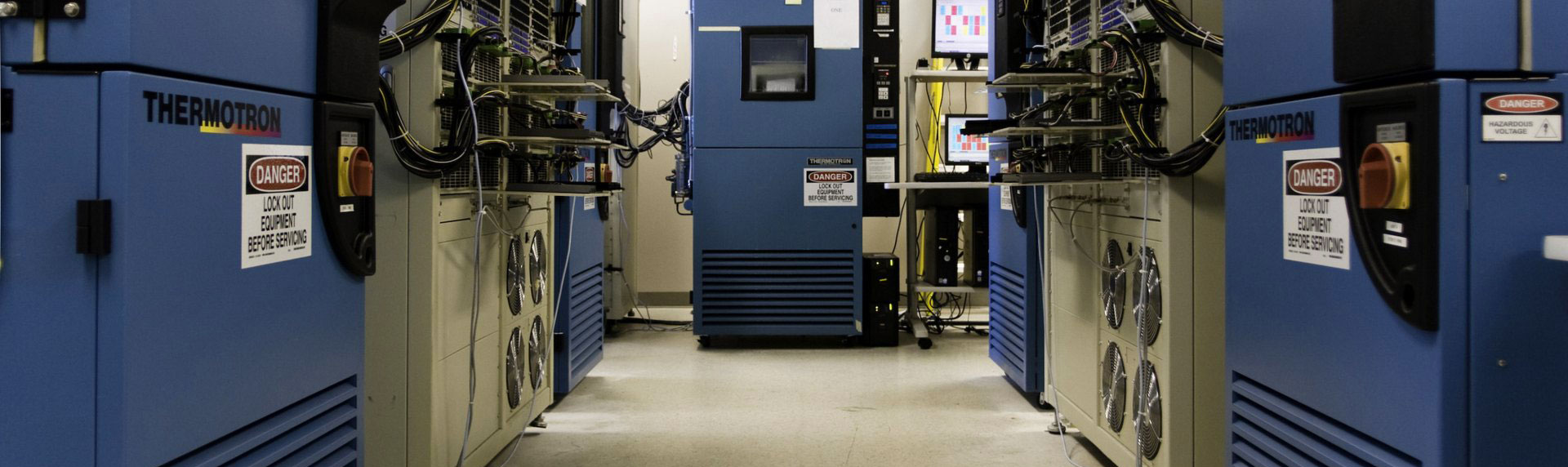
Shipping container vibration tests are mainly applied to evaluate the performance of a container, with its inner packaging and closing means, both in terms of strength and the protection it provides to its contents when exposed to vibration encountered during transportation. The developed international standards are suitable for testing containers of any form, material, type, inner packaging design, closure, and any size and weight. Otherwise, it is not intended to determine the response of products to vibration.

Containers used in transportation in general are exposed to certain vibrations and complex dynamic stresses created by these vibrations in the transportation vehicles they are transported. Sometimes vibration reactions can be severe and the packaging or product may be damaged as a result. Advanced testing methods are applied in advanced laboratories to predetermine the damage caused by this during transportation. It is important to identify critical vibrations and to minimize the impact of such events. In these tests, the interaction of the product and the packaging is analyzed.
Several standards developed by the American Society for Testing and Materials (ASTM) are considered in these tests :
Our organization also provides shipping container vibration testing services with its trained and expert staff and advanced technological equipment, among the numerous test, measurement, analysis and evaluation studies it provides for businesses in various sectors.
To get an appointment, to get more detailed information or to request an evaluation, you can ask us to fill in our form and reach you.

