
The French standard NF T46-019 defines a test method (static elongation test method) for determining the resistance of vulcanized or thermoplastic rubber materials to ozone cracking.

In many applications, general purpose elastomers are unsuitable due to their poor resistance to weathering, oils, fire and high temperatures. Special purpose and special elastomers are being developed to meet these requirements. Special purpose synthetic rubbers include butyl rubbers, ethylene-propylene rubber, nitrile rubber, polychloroprene rubber, silicone rubber, fluorocarbon rubber and polyurethane elastomers.
With the low level of chemical unsaturation in the butyl polymer chain, an elastomer with greatly improved resistance to ozone is produced. Having the lowest level of unsaturation, butyl provides high levels of ozone resistance, which is also affected by the type and concentration of vulcanizate crosslinks.
For the purposes of this standard,
The ISO 1431-1 standard has also been published by the International Standards Organization (ISO) on this subject (ISO 1431-1 Rubber, vulcanized or thermoplastic - Resistance to ozone cracking - Part 1: Static and dynamic strain test). This standard describes test methods intended for use in estimating the resistance of vulcanized or thermoplastic rubbers to cracking when exposed to a specified temperature under static or dynamic tensile stress, to air containing a certain ozone concentration, and to a specified temperature in conditions that exclude the effects of direct light.
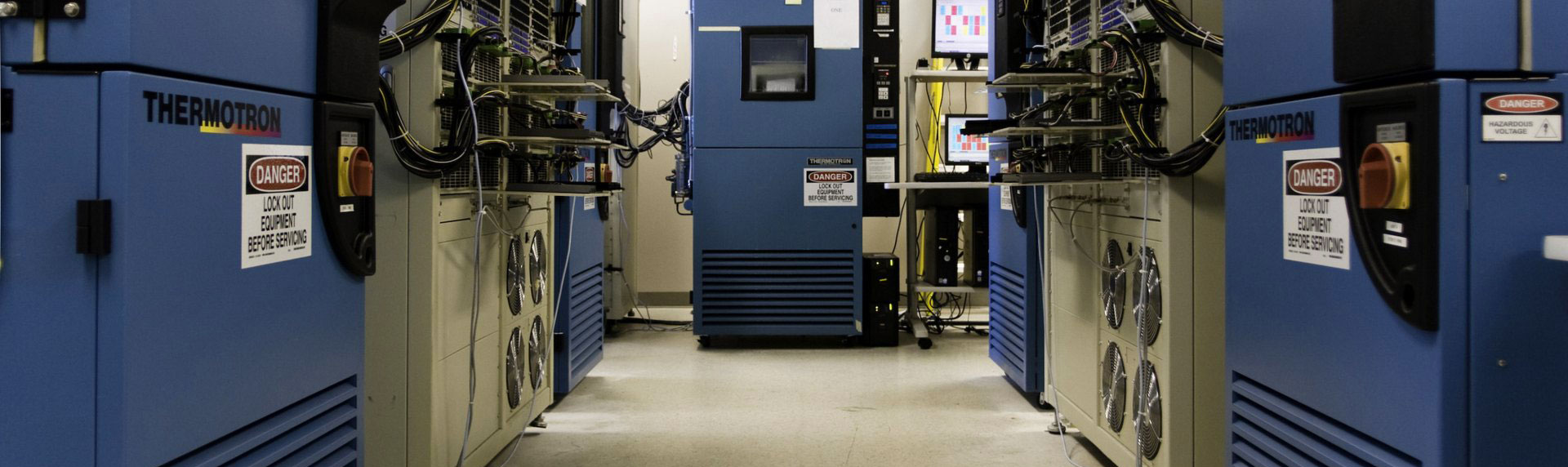
Among the numerous test, measurement, analysis and evaluation studies it provides for businesses in various sectors, our organization also provides ozone cracking resistance test (static elongation test) services of vulcanized or thermoplastic rubber within the scope of NF T46-019 standard.
To get an appointment, to get more detailed information or to request an evaluation, you can ask us to fill in our form and reach you.

