
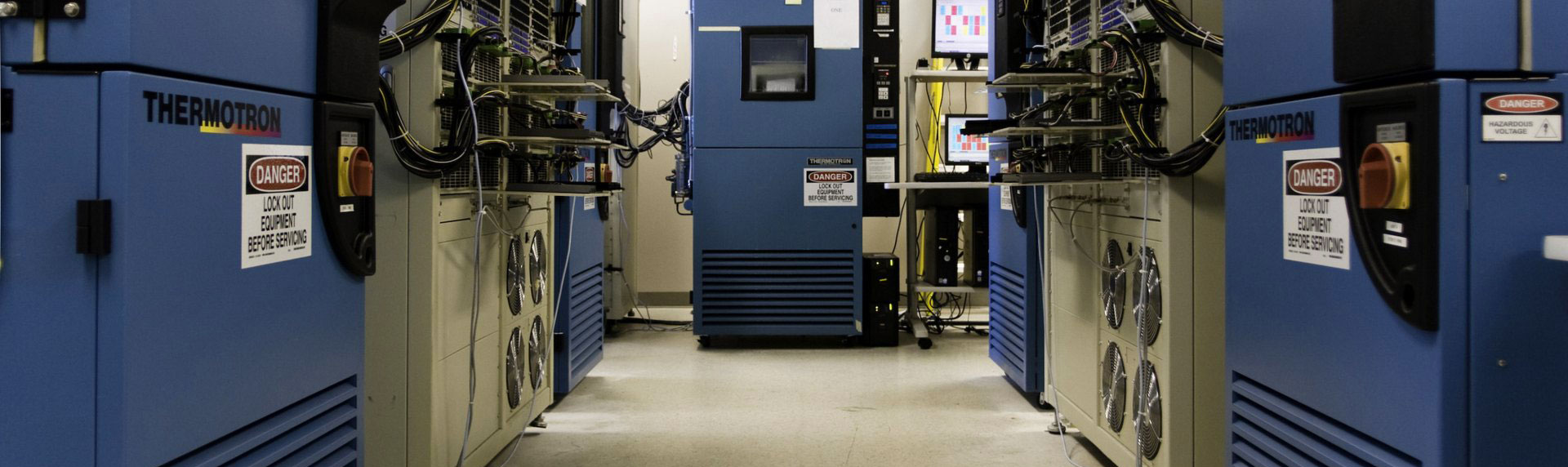
Cyclic corrosion testing is a way to accelerate real-world corrosion failures in the laboratory environment, and these tests have evolved in recent years, especially in the automotive industry. The test in question includes different climates that cycle spontaneously. Materials tested in this way are exposed to the same types of environments that they would encounter under natural conditions. The purpose of cyclic corrosion tests is to reveal the effects of failure corrosion that occurs in the natural cycle but under more accelerated conditions. In this way, manufacturers and suppliers can more accurately determine the service life of the materials and final products they use.
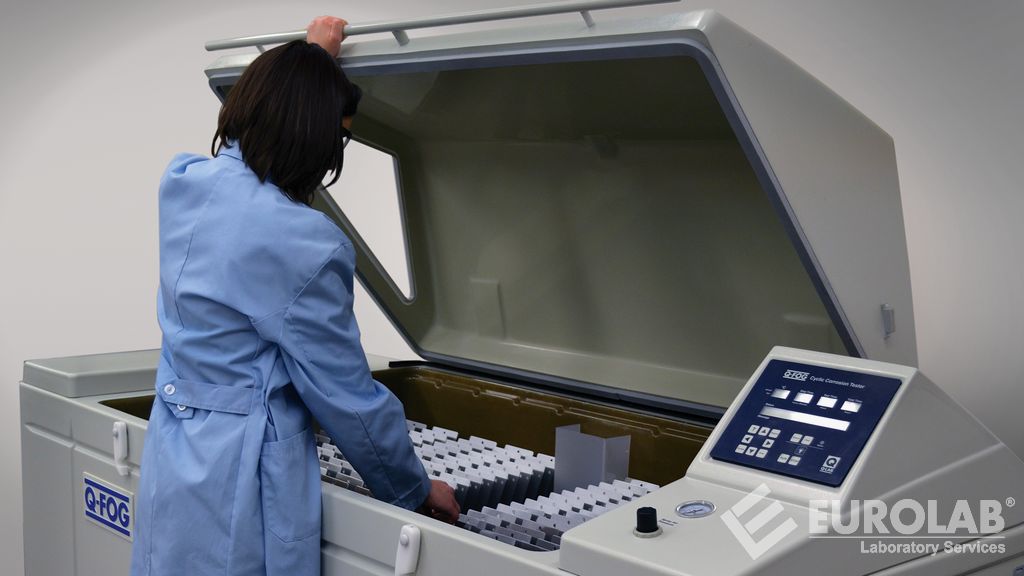
Before this test method was developed, the traditional salt spray test method was used and was quite accurate. However, cyclic corrosion testing is not designed to replace salt testing. In the salt spray test, salt mist is sprayed onto the material under a certain temperature and high humidity. A corrosive environment is still needed in the cyclic corrosion test, but the test is not carried out in a constant environment, but by changing the environmental conditions. In this regard, after performing the salt test, variables such as sun rays and especially ultraviolet rays are needed in solar radio. The sole purpose of the salt spray test is to perform a quality inspection, otherwise it is not intended to determine the shelf life of materials and products.
In short, cyclic corrosion test is performed in order to determine the resistance of materials to corrosion. A few standards referenced in these tests are:
Our organization also provides cyclical corrosion testing services with its trained and expert staff and advanced technological equipment, among the numerous test, measurement, analysis and evaluation studies it provides for businesses in various sectors.
To get an appointment, to get more detailed information or to request an evaluation, you can ask us to fill in our form and reach you.

