IEC 81001-5-1 Security, Efficiency and Safety of Healthcare Information Systems - Activities in the Product Lifecycle
The “IEC 81001-5-1 Safety, effectiveness and security of healthcare software and healthcare information systems - Part 5-1: Safety - Activities in the product lifecycle” standard, developed by the International Electrotechnical Commission (IEC), describes the lifecycle requirements for the development and maintenance of healthcare software necessary to support compliance with the IEC 62443-4-1 standard. These requirements also take into account the specific needs of healthcare software.
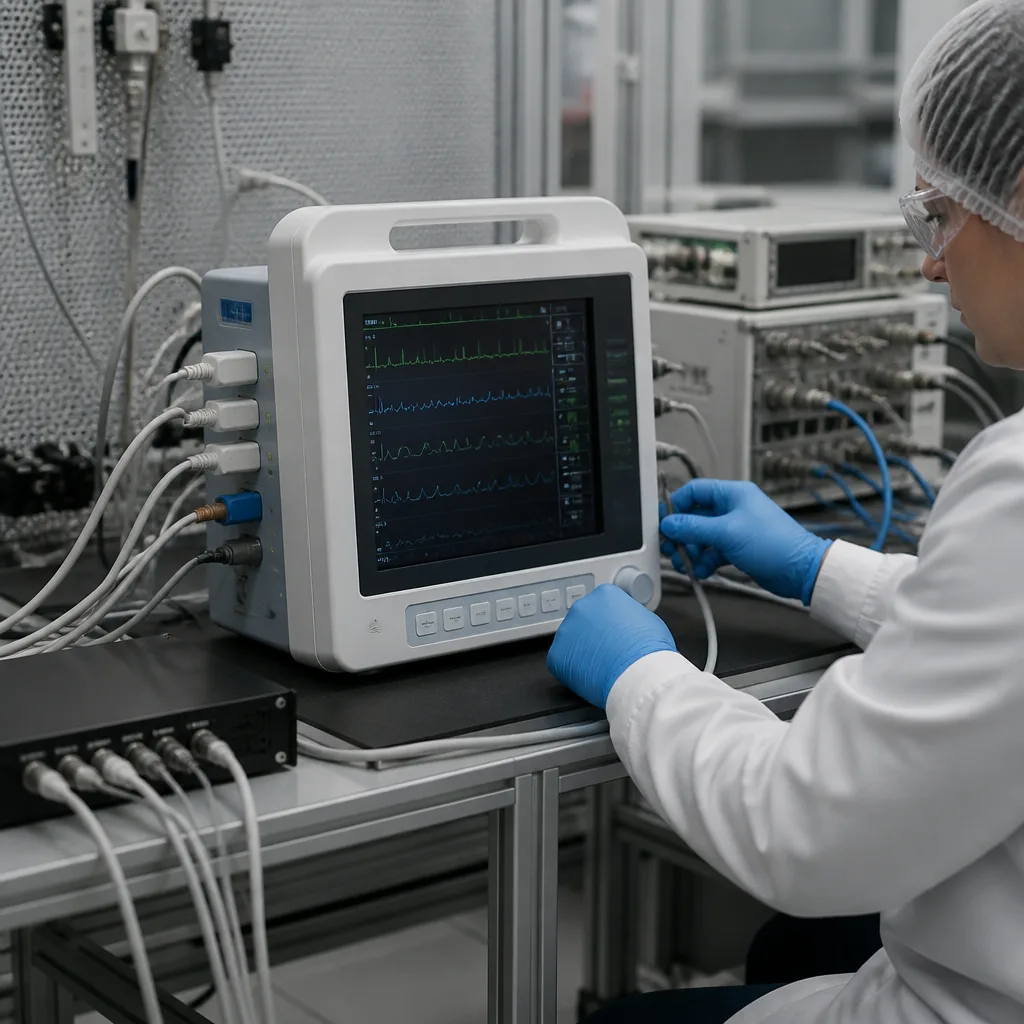
The set of processes, activities, and tasks described in this standard provides a common framework for secure healthcare software lifecycle processes. The aim is to enhance the cybersecurity of healthcare software by defining specific activities and tasks within the healthcare software lifecycle processes and by improving the security of these processes.
IEC 81001-5-1 is an international standard addressing the cybersecurity of healthcare software and healthcare information systems. This standard defines the processes, activities, and tasks that organizations must incorporate into the development and maintenance lifecycle of healthcare software. Its primary goal is to improve cybersecurity while maintaining an appropriate balance between security, effectiveness, and safety.
The IEC 81001-5-1 standard is essentially a secure software lifecycle standard for healthcare. This standard adapts cybersecurity practices associated with the IEC 62443-4-1 standard to the specific requirements and risks of healthcare software.
The IEC 81001-5-1 standard is applicable to a wide range of healthcare software, including software integrated into medical devices and software as a medical device (SaMD). This standard is defined as a process standard covering healthcare software, including software integrated into medical devices.
The IEC 81001-5-1 standard integrates security activities throughout the entire product lifecycle, rather than focusing solely on cybersecurity testing at the end of development.
Healthcare software is increasingly communicating through networks, cloud services, hospital information systems, mobile devices, and connected medical equipment. As a result, cybersecurity vulnerabilities can potentially impact not only data privacy but also the safety and effectiveness of healthcare functions.
The IEC 81001-5-1 standard is important because it helps manufacturers and software companies in the following areas:
- Identifying cybersecurity risks during development.
- Creating secure development practices.
- Managing safety-related risks throughout the product lifecycle.
- Checking software configurations and changes.
- Addressing software security issues.
- Maintaining safety after the product is launched
- To demonstrate that cybersecurity is systematically taken into consideration.
The aim of this standard is to enhance the cybersecurity of healthcare software by defining appropriate activities and tasks within the healthcare software lifecycle processes.
The IEC 81001-5-1 standard organizes requirements around various key software lifecycle processes. Key areas include:
- General requirements: General requirements form the basis for implementing secure software lifecycle activities. These include aspects related to organizational processes, quality management, and risk management. The aim is to ensure that cybersecurity is treated not as a separate activity performed only after development, but as an integral part of software development.
- Software development process: This process addresses the security activities that need to be included during development. Typical activities include identifying security requirements, evaluating threats and vulnerabilities, designing appropriate security controls, implementing security measures, and verifying that security requirements are met. This approach helps prevent security vulnerabilities from entering the product from the outset.
- Software maintenance process: Cybersecurity doesn't end when software is released. Vulnerabilities can be discovered even years after a product is launched. Therefore, the IEC 81001-5-1 standard addresses security activities during software maintenance, including changes, updates, patches, and other modifications. This is especially important for medical products that may remain operational for many years.
- Security risk management process: Security risk management is a key component of this standard. Organizations need to identify potential cybersecurity threats and determine how these threats could affect software and ultimately security and effectiveness. Security risk management may include:
- Threat identification
- Vulnerability analysis
- Risk estimate
- Risk control
- Assessment of remaining risks.
- Monitoring security risks over time.
- Software configuration management process: Software configuration management enables an organization to know which software is installed, which versions are available, and what changes have been made. This is especially important when a medical device contains multiple software components or third-party software. Software management supports controlled software updates and makes it easier to determine whether a particular version is affected by a newly discovered vulnerability.
- Software problem resolution process: This standard also addresses the systematic resolution of software problems. When a vulnerability or software bug is identified, the organization needs a built-in process to investigate, evaluate, correct, and document the problem. This provides a structured mechanism for responding to cybersecurity incidents and software vulnerabilities.
A key topic related to the IEC 81001-5-1 standard is threat modeling. This standard includes an informative appendix dedicated to threat modeling. Threat modeling helps developers consider how an attacker might interact with software, identify vulnerable interfaces or functions, and determine appropriate security controls. For example, a connected medical device might have the following:
- Network interfaces
- Wireless communication
- User authentication
- Cloud connections
- With removable media
- Software update mechanisms
- Interfaces to hospital information systems
Each of these can pose potential cybersecurity risks that need to be considered during development.
The main benefits of implementing the IEC 81001-5-1 standard are as follows:
- Enhanced cybersecurity: Instead of treating security as a final testing activity, it is integrated into the entire development and maintenance process.
- Earlier detection of vulnerabilities: Threat modeling and security risk management can identify weak points before products are released to the market.
- Improved vulnerability management: Defined maintenance and troubleshooting processes help organizations respond to newly discovered vulnerabilities.
- Further regulatory support: The U.S. Food and Drug Administration (FDA) considers this standard a consensus standard for medical devices.
- Enhanced traceability: Configuration management, risk management, and problem-solving processes help organizations maintain evidence of how cybersecurity issues are identified and addressed.
The IEC 81001-5-1 standard applies specifically to the following:
- Medical Device Manufacturers
- Software as Medical Device (SaMD) developers
- Healthcare software developers
- Related medical equipment manufacturers
- Organizations that develop hospital or clinic software
- Software suppliers and system integrators
- Organizations responsible for the maintenance of healthcare software
Its scope is broad enough to cover healthcare software, going beyond just one type of medical device.
For many years, our organization, with its competent and experienced staff, has been understanding the needs of its clients, providing the advanced testing services they require, and assisting them in the establishment, implementation, and improvement of management systems. Within this framework, we also provide testing services compliant with the IEC 81001-5-1 standard.