

The TS 6599 standard, developed by the International Standards Organization (ISO), describes the basic safety and performance characteristics and test methods of the metal tracheostomy cannula. This standard has been published in our country by the Turkish Standards Institute (TSE) with the following title: TS 6599 Tracheostomy Cannula - Metal.
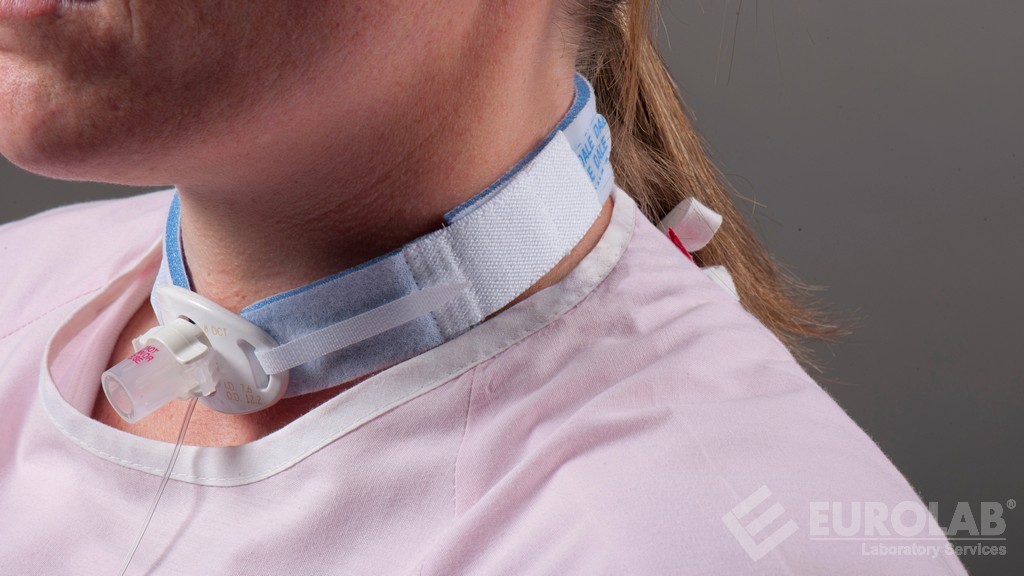
A tracheostomy is a hole in the windpipe (trachea) created by the surgeon. This hole, called a stoma, changes a person's nose and mouth into their breathing route. A tracheostomy tube is inserted into the stoma to keep this hole open and provide access to the lungs. Medical equipment called tracheostomy cannula is used for this purpose.
Tracheostomy is performed to provide an airway for people who need mechanical breathing or who have difficulty swallowing and are at risk of aspiration (breathing). Aspiration is the movement of breathing in a foreign object such as saliva, liquids or food. A tracheostomy is also performed when a patient cannot cough up his own mucus and provides an easy way to suck mucus from the lungs.
The most common type of tracheostomy cannula is the external cannula. The outer cannula is the main body of the tube. It is held by a strap that wraps around the neck of the patient. The track tube has a cuff, which is a balloon attached to the outside of the tube. The cuff inflates by filling with air from the balloon and the cuff seals against the inner walls of the airway. The cuff also prevents the breathing of saliva in patients with swallowing difficulties. Uncuffed tracheostomy tubes are used in patients who are not connected to a ventilator, have the ability to breathe and swallow. This tube then acts as a suction to clear the lungs.
The TS 6599 standard specifies the safety and performance requirements of metal tracheostomy cannulas.
Our organization also provides basic safety and performance testing services for TS 6599 metal tracheostomy cannulas to businesses as part of our laboratory services .
To get an appointment, to get more detailed information or to request an evaluation, you can ask us to fill in our form and reach you.

