

In the TS EN 1282-2 standard developed by the British Standards Institute (BSI), the basic safety and performance characteristics and test methods of pediatric tubes are described. This standard was later replaced by the ISO 5366-3 standard developed by the International Standards Organization (ISO) (ISO 5366-3 Anesthetic and respirator - Tracheostomy tubes - Part 3: Pediatric tracheostomy tubes).
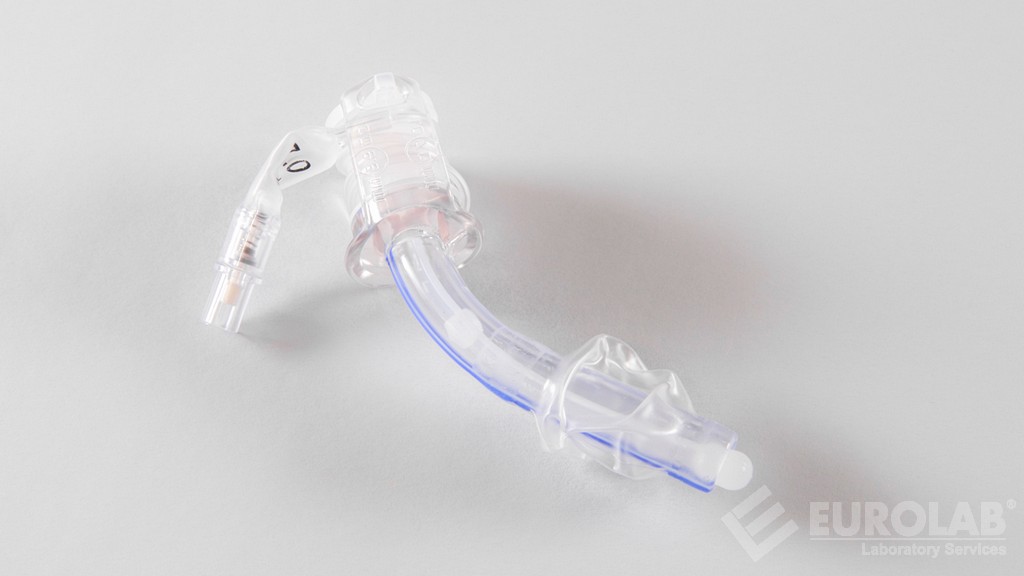
TS EN 1282-2 standard has been published in our country by the Turkish Standards Institute (TSE) with the following title: TS EN 1282-2 + A1 Tracheostomy tubes - Part 2: Pediatric tubes.
This standard specifies requirements for pediatric tracheostomy tubes made of plastic materials or rubber with inner diameters between 2,0 mm and 6,0 mm. Requirements for pediatric tracheostomy tube fittings and adapters are also included in this standard. However, this standard does not apply to special tracheostomy tubes.
Tracheostomy tubes are curved tubes placed in a hole in the neck and windpipe. There are different tracheostomy tubes used for different purposes. Pediatric tubes are mainly intended to protect children's health. Due to differences in children's anatomy and physiology, anesthetic equipment is constantly improving. Pediatric tube markings need to be further standardized to aid in tube positioning, especially in young babies. Standards are of paramount importance for anesthesiologists to more easily track significant differences between tubes and take them into account when choosing a suitable tube.
Tracheostomy tubes have been used since the late nineteenth century. However, rapid progress was made in the 1940s. There are many pediatric tubes available today, and recent innovations in tube design focus on advanced materials and design.
Our organization also provides basic safety and performance testing services for pediatric tubes according to TS EN 1282-2 as part of its laboratory services to businesses .
To get an appointment, to get more detailed information or to request an evaluation, you can ask us to fill in our form and reach you.

