

The “CPSC CH-E 1003.09 Standard Operating Procedure for the Determination of Lead (Pb) in Paints and Similar Surface Coatings,” developed by the United States Consumer Product Safety Commission (CPSC), provides information on the test method used by testing laboratories in the analysis of paints and certain painted products. This method is used to determine the total lead content of paint or a painted surface on a dry paint basis. This method replaces all previously published standard operating procedures for lead testing in paint.
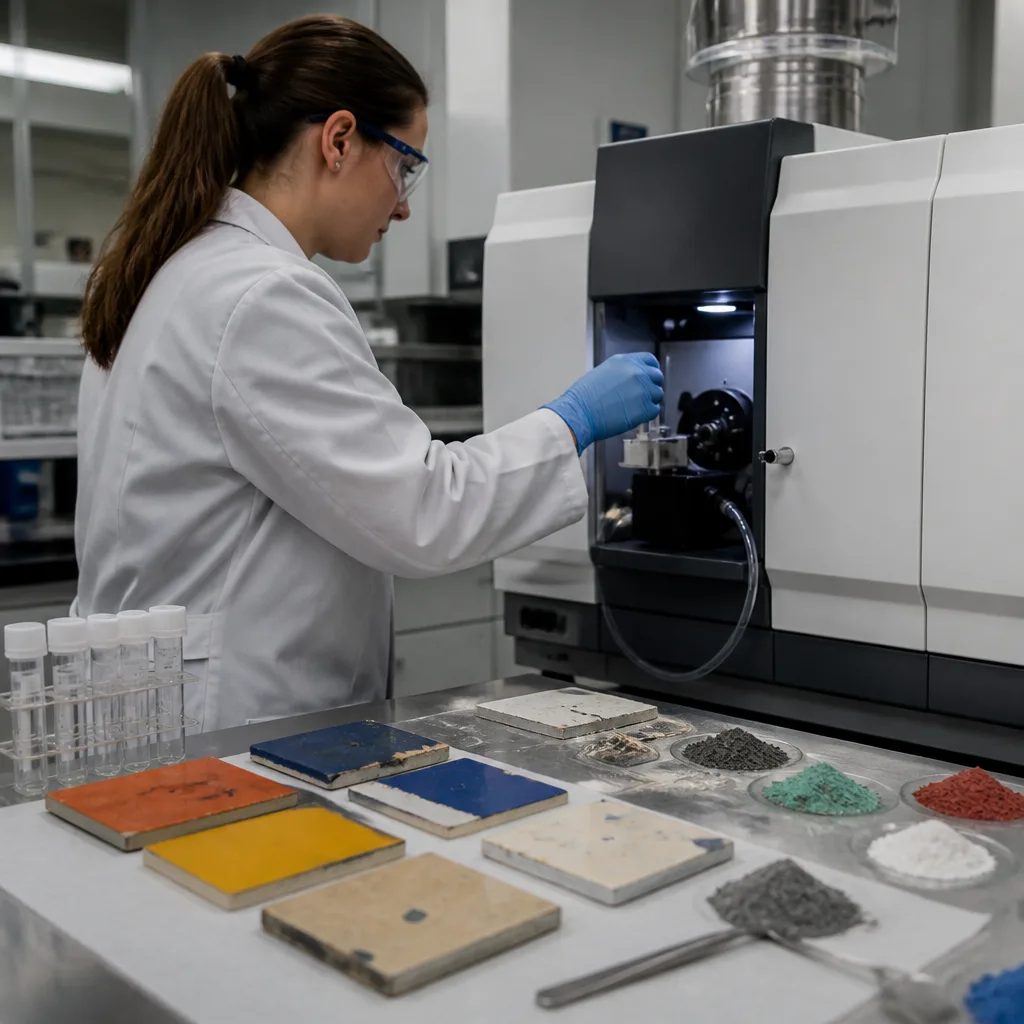
This method has been prepared to inform interested parties about the procedure used by the testing laboratory to assess the total lead content in paints and other surface coatings. Other laboratories performing such assessments are not required to follow this method, but they should use these procedures to obtain results consistent with those of CPSC personnel.
The CPSC-CH-E1003-09 standard is an important laboratory test procedure developed to determine the amount of lead present in paints and similar surface coatings applied to consumer products. This method plays a major role in protecting children and consumers from hazardous lead exposure.
This standard was developed to measure the total lead (Pb) content in dried paints and surface coatings. This method is particularly important for:
This procedure supports compliance with 16 CFR §1303, the federal regulation that limits lead in paints and surface coatings. The generally accepted lead limit for children's products is 90 parts per million (ppm).
Lead is a toxic heavy metal that can seriously affect human health, especially in young children. Children can be exposed when they swallow paint particles or inhale lead-contaminated dust from toys, furniture, or household surfaces. Health risks include:
Because of these dangers, governments worldwide require rigorous lead content testing for consumer products.
The CPSC-CH-E1003-09 procedure follows these laboratory steps:
These methods accurately measure the lead concentration in the sample.
One of the key features introduced in the latest revision of this standard is the acceptance of composite testing. This allows laboratories to combine multiple dye samples in a single analysis to reduce testing costs and increase efficiency. However, the CPSC has cautioned that composite testing must be carefully controlled, as combining samples can dilute lead concentrations and, if done incorrectly, can lead to erroneous results.
Manufacturers, importers, and third-party laboratories use the CPSC-CH-E1003-09 procedure to demonstrate regulatory compliance before products enter the U.S. market. This standard is widely recognized in the following areas:
Accredited testing laboratories widely implement this procedure for exporters and manufacturers worldwide.
The CPSC-CH-E1003-09 standard is essential because it provides a consistent and scientifically reliable method for measuring lead in paints and surface coatings in consumer products. Without a standardized method, manufacturers and laboratories may use different procedures and obtain inconsistent or inaccurate results, making product safety enforcement difficult.
The main reason for this standard is the danger posed by lead exposure. Lead is extremely toxic, especially to children whose bodies and nervous systems are still developing.
Different laboratories may use different chemicals, instruments, or preparation techniques. This standard establishes a uniform procedure suitable for the following purposes:
This is important in international trade, where products can be manufactured in one country and sold in another.
Simply put, the CPSC-CH-E1003-09 standard is required because:
Without standards like CPSC-CH-E1003-09 and similar ones, effectively enforcing lead safety regulations would be much more difficult, and consumers, especially children, would face greater health risks.
In conclusion, the CPSC-CH-E1003-09 standard is a critical safety standard designed to prevent hazardous lead exposure from painted consumer goods. By establishing reliable laboratory procedures for measuring lead content, the standard helps manufacturers comply with regulations and protect public health, particularly the health of children. As global safety expectations continue to rise, CPSC-CH-E1003-09 and similar standards remain essential tools in modern product safety and quality assurance systems.
For many years, our organization, with its competent and experienced staff, has been understanding the needs of its clients, providing the advanced testing services they require, and assisting in the establishment, implementation, and improvement of management systems. Within this framework, we also provide testing services compliant with the CPSC CH-E 1003.09 standard to businesses.
To get an appointment, to get more detailed information or to request an evaluation, you can ask us to fill in our form and reach you.

