

The standard "UL 972 Burglar-Resistant Glazing Material," developed by Underwriters Laboratories (UL), specifies requirements for clear, translucent, or opaque glazing materials designed for indoor and outdoor use, primarily as replacements for glass display cases or display panels. The material is designed to resist hit-and-run theft. However, these requirements do not cover the glazing (installation) methods used to install the burglar-resistant glazing material.
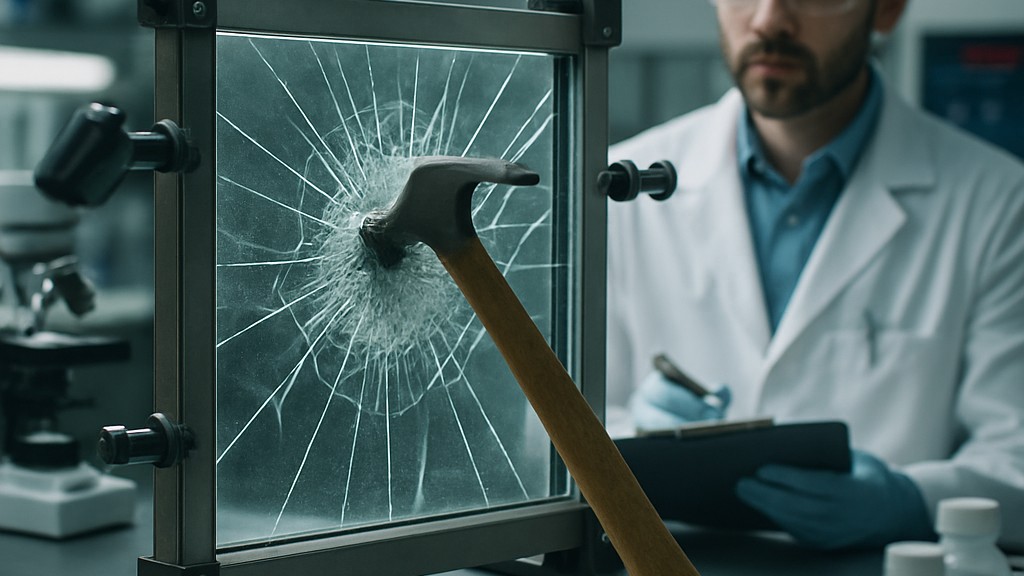
The UL 972 standard is also known as the impact resistance standard for safety glazing. UL 972 certification is essential for manufacturers and users in the safety glazing industry. This standard includes requirements for testing and evaluating the impact resistance of various glass materials used in windows, doors, and other architectural applications.
The UL 972 standard plays a vital role in ensuring the reliability and effectiveness of security glazing systems. It evaluates glazing's ability to withstand forced entry attempts, such as impacts from blunt objects or projectiles, thus protecting buildings and their occupants from potential threats. With rising crime rates and security concerns, this standard provides a benchmark to help designers, engineers, and building owners select the appropriate security glazing materials for their projects.
The testing procedures prescribed by UL 972 are rigorous and comprehensive. They are designed to mimic real-world scenarios and evaluate the performance of safety glazing materials under various conditions. The tests involve subjecting glass samples to impact from various types of projectiles at specified velocities. The materials are evaluated based on criteria such as penetration resistance, fragmentation, and structural integrity upon impact.
During the testing process, glass materials can be classified into different impact resistance levels based on their performance. These classifications help customers identify the specific types of glass products that meet their safety needs. The UL 972 standard provides a comprehensive rating hierarchy that makes it easy for architects and contractors to select the appropriate level of safety glass required for a specific application.
Burglar-resistant glazing refers to any glass or clear plastic that has been designed and tested to withstand forced entry attempts, especially those using blunt tools such as a hammer, crowbar, or brick. These materials are often used in security-sensitive environments where protection against theft is crucial.
Safety glass products manufactured to meet the requirements of this standard ensure adequate protection for buildings against potential threats. The impact resistance provided by these materials increases window and door security, reducing the risk of forced entry. UL 972 certification also provides building occupants with peace of mind, as they can trust that their surroundings are equipped with glazing systems that meet stringent industry standards.
Furthermore, the UL 972 standard not only focuses on performance but also emphasizes durability and long-term reliability. This standard requires safety glazing materials to undergo extensive testing to evaluate their resistance to weathering, aging, and other environmental factors. These assessments ensure that the glazing will continue to provide the intended protection throughout its service life.
Ultimately, the UL 972 standard is a fundamental certification that sets the bar for impact resistance for safety glazing materials, ensuring the safety and security of buildings. By adhering to the rigorous testing procedures outlined in this standard, manufacturers can develop high-quality products, while architects and building owners can confidently select the right safety glazing materials for their projects. This standard's broad range of classifications and stringent requirements serve as a valuable tool in selecting reliable and effective safety glazing solutions.
UL 972, like some other UL standards (e.g., UL 752 for bullet resistance), does not have a graded or graduated classification system. Instead, it provides a pass/fail test to determine whether materials meet the burglary resistance standard. However, the broad range of materials and products that can be tested and certified under UL 972, and their applications, is evident.
Types of glazing materials covered by this standard are:
These materials must withstand repeated impacts from blunt objects, simulating a burglar trying to break the glass.
UL 972 certification applies to glass used in the following products:
While the UL 972 standard is pass/fail, the test simulates burglary conditions. A weighted impact device (usually a steel ball) is dropped several times from increasing heights. The material must not create a hole large enough for a burglar to pass through or gain access to valuables. The glass must remain intact and not shatter completely or allow easy removal.
The broad scope of UL 972 refers primarily to the various materials and applications it certifies as burglar-resistant, not to multiple performance ratings. If different performance levels are required (for example, how much force it can withstand), these are often tested under different standards or with specific test parameters beyond UL 972.
Our organization, which has been supporting businesses across all sectors for years through a wide range of testing, measurement, analysis, and evaluation activities, has a strong team of employees who closely follow global developments in science and technology and are constantly improving themselves. In this context, we also provide testing services to businesses in accordance with the UL 972 Burglar-Resistant Glass Material standard.
To get an appointment, to get more detailed information or to request an evaluation, you can ask us to fill in our form and reach you.

