

The European standard “EN 966 Helmets for air sports” describes the requirements and test methods for protective helmets used in paragliding, hang gliding, and flying ultralight aircraft.
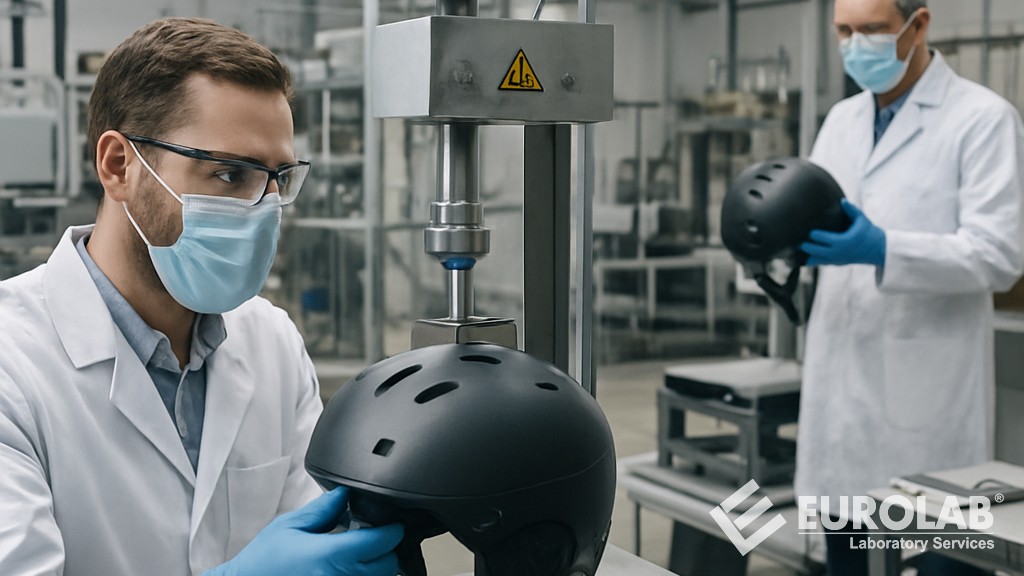
This standard specifies the following for air sports helmets:
The requirements and, where appropriate, the relevant test methods are given for the following:
The requirements cover both categories. Specific requirements are detailed in the relevant sections. This standard does not apply to other types of head protection used in air sports.
In the thrilling world of air sports where the excitement of flight meets the forces of gravity, safety is paramount. Paragliding, hang gliding, and ultralight aircraft piloting offer unparalleled freedom, but they also carry inherent risks, particularly to the head, during unexpected landings or collisions. This is where the EN 966 standard, a crucial European standard that sets the benchmark for protective helmets in these high-flying activities, comes into play. This standard ensures that helmets provide reliable protection against impacts, punctures, and environmental stresses, allowing adventurers to glide safely.
This standard is a lifesaver specifically tailored to the unique hazards of air sports. Unlike bicycle or motorcycle helmets, which prioritize different impact scenarios, the EN 966 standard is designed for the lighter and more variable forces encountered in freeflight.
The EN 966 standard arose from the need to standardize helmet performance due to the increasing popularity of air sports. Paragliding and hang gliding, which are particularly popular, previously required equipment capable of withstanding falls from heights of up to 1,5 meters (low-altitude fall simulation), taking into account the lighter weight and higher speeds of these activities. Today, this standard covers helmets for the following activities:
It focuses on unpowered or minimally powered flights, excluding other head protection such as skydiving or powered paragliding. The EN 966 standard, compliant with the EU's personal protective equipment directive (89/686/EEC), mandates rigorous testing to verify that helmets meet essential safety requirements, including structural integrity and user information labeling. The evolution of the standard reflects ongoing advances in materials science and risk assessment. Recent revisions have enabled helmets to accommodate modern designs such as lightweight carbon fiber shells, through updates to test protocols, for example, improved requirements for integrated visors and enhanced impact zones.
The EN 966 standard essentially outlines a comprehensive framework for helmet design and performance. Helmets must strike a balance between protection, comfort, and aerodynamics, which are critical for pilots who can spend hours in the air. The essential requirements are as follows:
The acceleration must not exceed 250 g (equivalent to 2453 m/s²), a threshold designed to prevent traumatic brain injuries. The test is performed in designated areas on the helmet, after exposure to environmental conditions such as extreme heat (up to 50 degrees), cold (minus 20 degrees), or UV exposure, in the form of a total of two impacts (one impact per anvil type).
These specifications make the EN 966 standard more demanding than some other cycling standards, but it is consistent with the realities of the sport, where impacts are often side-to-side collisions rather than high-speed crashes.
In short, the EN 966 standard is an engineering marvel. As air sports have evolved, from recreational riding to competitive XC flying, this standard has evolved to balance protection and performance. For pilots, choosing EN 966 equipment means trusting science, not chance.
For many years, our organization, with its competent and experienced staff, has been understanding the needs of its clients, providing the advanced testing services they require, and assisting them in the establishment, implementation, and improvement of management systems. Within this framework, we also provide testing services to businesses in accordance with the "EN 966 Helmets for air sports" standard.
To get an appointment, to get more detailed information or to request an evaluation, you can ask us to fill in our form and reach you.

