

The European standard “EN 581-2 Outdoor furniture - Seating and tables for camping, home and work use - Part 2: Mechanical safety requirements and test methods for seating” describes the minimum requirements for safety, durability and robustness of all types of outdoor seating for adults, regardless of materials, design/construction or manufacturing processes. The following are outside the scope of this standard:
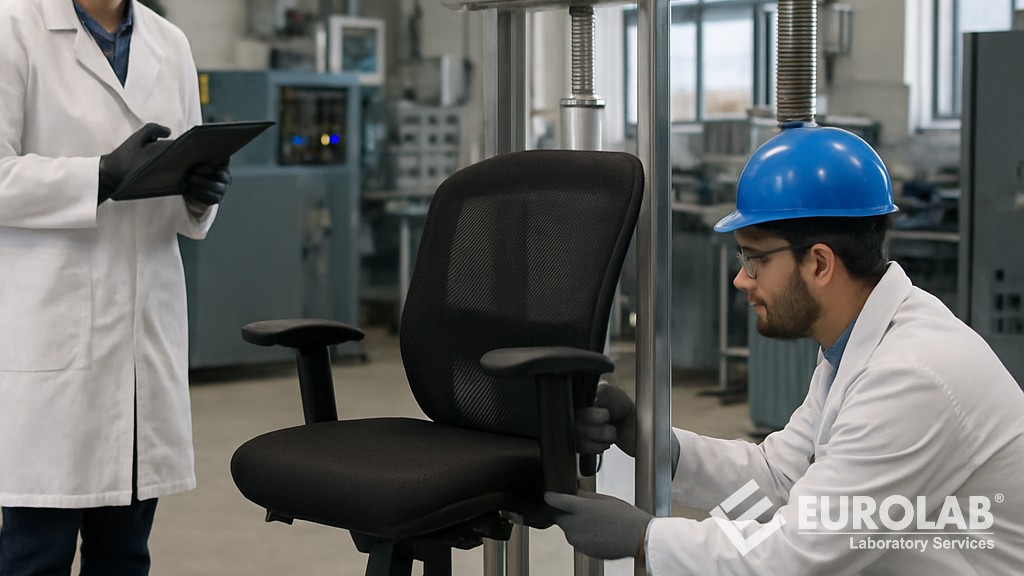
The test requirements in this standard are based on use by individuals weighing up to 110 kg.
For the purposes of this standard, the following terms and definitions apply:
Tests are carried out as specified in EN 1728 and EN 1022 standards. Except for seats with a seat and backrest made of a single piece of flexible material (e.g., textile) attached only to the top and bottom edges, the load points of the seat and backrest are determined according to EN 1728. For seats with a seat and backrest made of a single piece of flexible material (e.g., textile) attached only to the top and bottom edges, the load point is the lowest point reached when a cylinder is placed on the seat.
As outdoor spaces continue to become extensions of indoor living, such as backyard barbecues, cafe verandas, and campground gatherings, the demand for durable and safe furniture is also increasing. The EN 581-2 standard builds upon the fundamental safety principles of the EN 581-1 standard by thoroughly examining the mechanical robustness of outdoor chairs, benches, and sun loungers. This standard prioritizes user safety while ensuring that seating areas can withstand the rigors of repeated use, varying loads, and environmental stresses.
The EN 581-2 standard complements the EN 581 series of standards: EN 581-1 for general safety, EN 582-2 for seating mechanics, and EN 582-3 for tables.
The EN 581-2 standard targets adult users up to 110 kg, excluding street furniture, removable flooring, and heavy-duty applications. By standardizing strength, stability, and durability testing, this standard helps manufacturers develop robust products without compromising comfort or safety, reducing the risk of collapse or failure that could lead to injury.
The EN 581-2 standard applies to all types of outdoor seating (folding chairs, recliners, benches) for camping, home and contractual (e.g. accommodation) uses, regardless of materials such as metal, wood or synthetic. It assumes normal adult usage patterns, excluding children's furniture or spectator seating. Environmental degradation (e.g., UV or moisture effects) is excluded and deferred to future complementary standards for weather resistance.
This standard differentiates usage categories to match intensity levels as follows:
This incremental approach balances innovation with practicality, ensuring personalized adaptation.
The EN 581-2 standard mandates strict criteria for mechanical integrity, focusing on preventing failures under load. It excludes electrical safety and wheel durability but emphasizes the following:
These requirements are material-independent, promoting sustainable designs such as recycled composites.
Tests under the EN 581-2 standard are methodical and measurable, using specialized equipment to apply forces and cycles precisely. The main methods are as follows:
For many years, our organization, with its competent and experienced staff, has been understanding the needs of its clients, providing the advanced testing services they require, and assisting in the establishment, implementation, and improvement of management systems. Within this framework, we also provide testing services to businesses in accordance with the "EN 581-2 Outdoor furniture - Seating and tables for camping, home and work use - Part 2: Mechanical safety requirements and test methods for seating" standard.
To get an appointment, to get more detailed information or to request an evaluation, you can ask us to fill in our form and reach you.

