

The European standard “EN 1191 Windows and doors - Resistance to repeated opening and closing - Test method” describes the method to be used to determine the resistance of windows and pedestrian doors to repeated opening and closing operations.
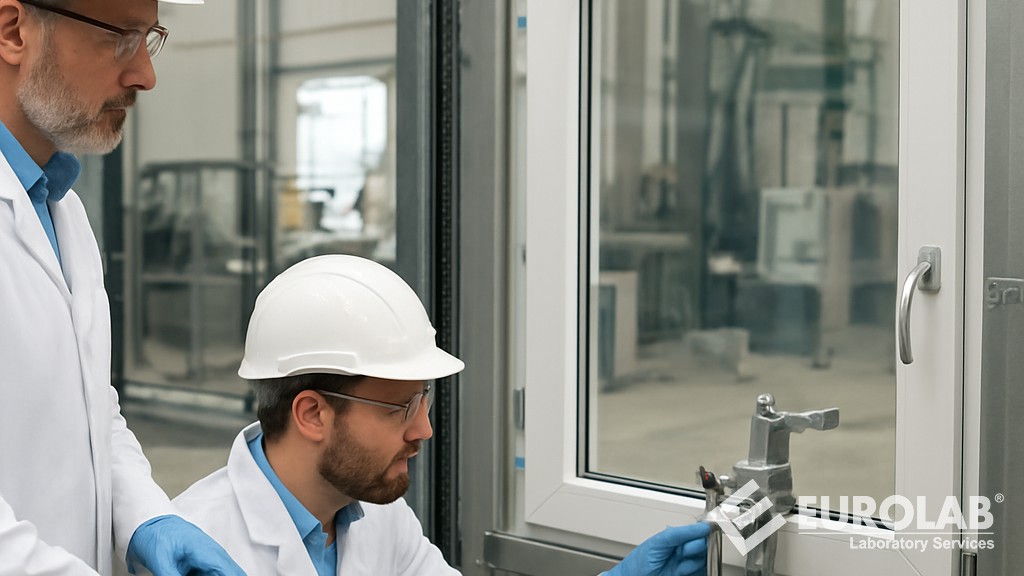
This standard applies to all building materials and operating systems for any window or pedestrian door, including seals and structural hardware, under normal operating conditions.
The components considered in the test are all the basic and directly related structural hardware, including the frame, the opening component (including additional moving components such as a non-moving wing), and operating devices such as the arm.
This method does not involve any hardware not directly involved in the opening and closing operation of the moving components: additional fastening systems such as pin supports or cabinet hooks or bolts, or independently mounted stops (not connected to the complete assembly) such as wall or floor-mounted stops unless specified.
The annexes to this standard provide further details about mandatory test procedures that may differ from the main part of this standard:
In this standard, the term "door-height window" refers to windows used for pedestrian passage, i.e., windows used as pedestrian door sets.
The EN 1191 standard provides a standardized procedure for assessing the mechanical durability of windows and pedestrian doors (including door-height windows) under repeated use.
The primary purpose of the EN 1191 standard is to simulate real-world use by subjecting windows and doors to thousands of opening and closing cycles. This helps manufacturers demonstrate that their products can withstand daily wear and tear without significant degradation. This standard ensures reliability, safety, and longevity, which are critical for structural elements subjected to frequent operation.
This test is especially important for:
The EN 1191 standard applies to all types of windows and pedestrian doors, regardless of their material (e.g., frames, sashes, seals, hardware). This standard covers normal operating conditions, including handles and essential building hardware directly involved in the opening/closing operation. Secondary hardware (e.g., bolts, pins) and standalone stops are excluded unless otherwise specified.
Specific annexes to this standard adapt the test to different opening types:
The test involves mounting the complete assembly (frame + opening components) onto a rigid test rig and performing automated opening and closing cycles. The key elements are:
In laboratories, specialized durability testing benches (e.g., containing actuators for levers and locks) are used to automate the process and ensure repeatability.
The EN 1191 standard contributes to product classification in terms of durability (e.g., classes in the EN 13115 standard for windows). Passing this test supports CE marking, increases consumer confidence, and ensures compliance with building regulations. It also complies with fire resistance (EN 1634-1 standard) or other safety standards.
This standard plays a vital role in ensuring that windows and doors in homes, offices, and public buildings remain functional and safe for years of daily use.
For many years, our organization, with its competent and experienced staff, has been understanding the needs of its clients, providing the advanced testing services they require, and assisting them in the establishment, implementation, and improvement of management systems. Within this framework, we also provide testing services in accordance with the EN 1191 standard.
To get an appointment, to get more detailed information or to request an evaluation, you can ask us to fill in our form and reach you.

