

The Toyota engineering standard, “TSH1509G Test Method for Chemical Resistance of Paint Film,” describes test methods used to check the effects of chemicals such as acids and alkalis on paint film. This standard is an engineering standard that defines test methods for evaluating the chemical resistance of paint films used on vehicle components and parts.
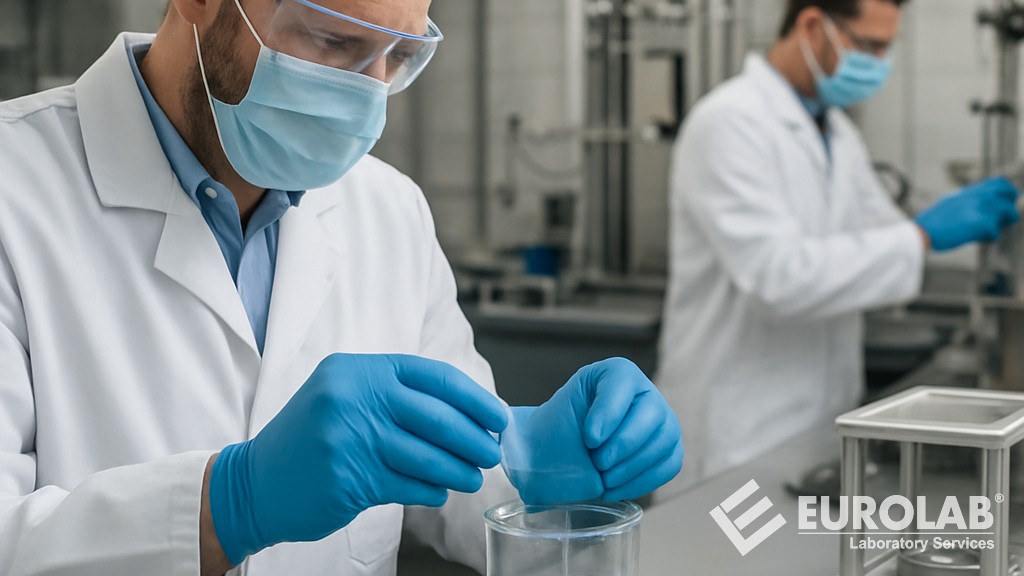
This standard includes procedures for evaluating how well automotive paint coatings withstand a variety of chemicals commonly encountered in real-world conditions. These include acids, alkalis, solvents, fuels, cleaning agents, and other substances that may come into contact with exterior or interior painted surfaces during normal use, maintenance, or environmental exposure.
The goal is to ensure that painted parts (such as body panels, trim, bumpers, or interior components) maintain their appearance, adhesion, and protective properties without significant deterioration, discoloration, blistering, peeling, or other defects.
Widely referenced in the automotive industry, particularly by Toyota and related manufacturers' suppliers, this method is included within the accreditation scope of many testing laboratories.
The TSH1509G standard typically includes the following:
Common test items referenced in connection with this standard include:
Assessment periods typically include immediate checks and longer recovery times at room temperature (e.g., 24 hours or 168 hours) to observe lasting effects.
The TSH1509G standard belongs to a series of standards focusing on paint properties and includes the following:
This standard is frequently used as a cross-reference in other Toyota standards and supplier quality requirements.
The main areas of application of this standard are:
In short, the main purpose of the Toyota TSH1509G standard is to determine how well a paint coating resists damage when exposed to chemicals. Automotive coatings must withstand a wide variety of chemicals encountered during vehicle use, including:
This test method ensures that coatings applied to automotive components maintain their appearance, adhesion, and protective performance even when exposed to these substances. This standard primarily applies to paint films applied to automotive parts, including:
This standard describes laboratory procedures for simulating chemical exposure and evaluating visual and structural changes in the paint layer.
The TSH1509G standard test method evaluates chemical resistance by exposing a painted test panel to controlled chemicals and observing the damage that occurs in the coating. This method typically follows these steps:
This procedure allows engineers to determine how resistant the coating is to chemical attack.
For example, distilled water or chemical solutions are applied to the surface using a sealed ring device to ensure contact with the coating during testing.
If the paint film meets the specified limits, it is considered chemically resistant and suitable for automotive use.
The TSH1509G standard is important because automotive coatings are exposed to harsh environments throughout a vehicle's lifespan. This standard helps ensure the following:
Manufacturers and testing laboratories use this standard to verify coatings used in Toyota vehicle production and supplier quality control.
In conclusion, the TSH1509G standard is a test method used to evaluate the chemical resistance of automotive paint films, ensuring that coatings remain stable and durable when exposed to water, acids, alkalis, and other chemicals encountered during vehicle use.
For many years, our organization, with its competent and experienced team, has been understanding the needs of its clients, providing the advanced testing services they require, and assisting in the establishment, implementation, and improvement of management systems. Within this framework, we also provide testing services compliant with the TSH1509G standard to businesses.
To get an appointment, to get more detailed information or to request an evaluation, you can ask us to fill in our form and reach you.

