

Developed by Suzuki Motor Corporation as part of its interior materials/textile standards, the “SES N 3242 Seat Upholstery Materials” standard is an automotive materials standard that defines the requirements, performance criteria, and verification methods for materials (such as fabric, leather, and synthetic leather) used in vehicle seat upholstery. This standard is a specification used to ensure that seat upholstery materials meet safety, durability, comfort, and aesthetic requirements.
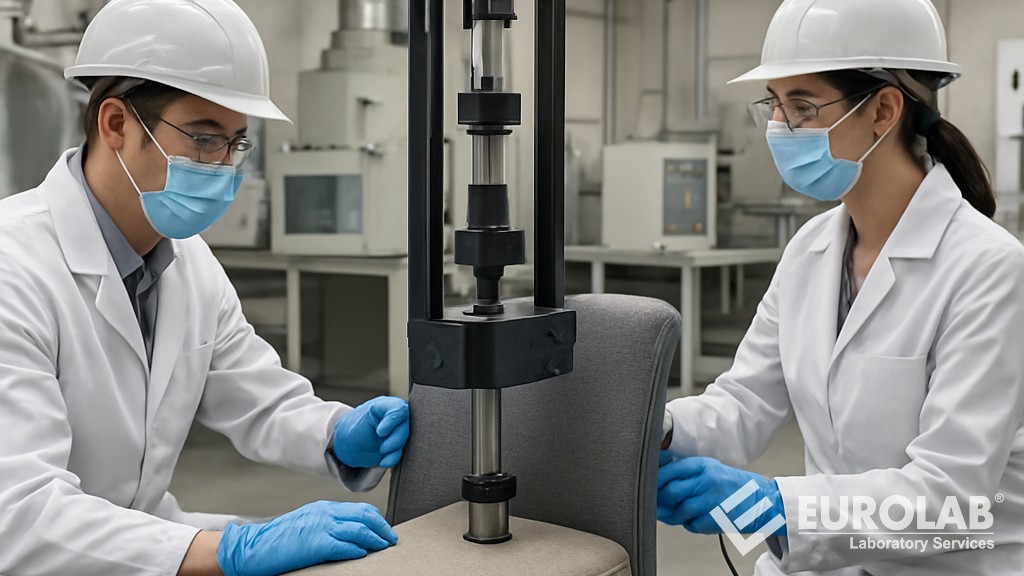
This standard covers:
In the automotive industry, the use of seat upholstery materials is not simply about choosing a fabric; it's a systematic engineering, verification, and manufacturing process to ensure safety, durability, comfort, and brand quality.
Upholstery materials are used in the following ways:
For example, durable polyester fabric is preferred in economy vehicles, while leather or high-quality polyurethane is used in premium vehicles.
Materials are selected according to the criteria of the SES N 3242 standard:
Before approval, materials must pass the necessary tests defined in the SES N 3242 standard:
Only materials that pass all tests are approved for production.
The upholstery material is integrated into the seating system:
For example, the seat side panels must allow the airbag to deploy without tearing.
Prototype seats need to be tested after they are produced:
Suppliers must comply with the SES N 3242 standard:
This guarantees consistent quality in mass production.
During mass production, materials are cut, sewn, and laminated. The seats are assembled into foam structures. Quality control checks are performed to monitor the process. Basic checks include: color consistency, defect inspection (tears, stains), and stitching quality.
Ongoing checks include:
Flooring materials have the following effects:
Automotive seat upholstery is typically a multi-layered system:
According to automotive definitions, upholstery includes the padding and surface covering that make up the seat upholstery system.
According to the SES N 3242 standard, seat materials are subjected to repeated loading and friction. Typical requirements include:
Upholstery textiles must be resistant to multi-cycle stretching and abrasion.
Comfort features include:
The aesthetic requirements were determined as follows:
In terms of chemical resistance, materials should be able to withstand the following:
Additionally, seat upholstery must comply with the following fire safety regulations:
Fire resistance is a mandatory safety requirement in automotive interiors.
The SES N 3142 standard defines environmental resistance requirements as follows:
In addition, upholstery materials should be easy to clean, stain-resistant, and dirt-repellent in terms of cleanability and maintenance.
The SES N 3242 standard includes different flooring types:
These are widely used due to their durability and cost-effectiveness.
The SES N 3242 standard generally requires the following tests:
The SES N 3242 standard is considered important for the following reasons:
In conclusion, the SES N 3242 standard guarantees that seat upholstery materials meet the following requirements:
For many years, our organization, with its competent and experienced team, has been understanding the needs of its clients, providing the advanced testing services they require, and assisting them in the establishment, implementation, and improvement of management systems. Within this framework, we also provide testing services compliant with the SES N 3242 standard.
To get an appointment, to get more detailed information or to request an evaluation, you can ask us to fill in our form and reach you.

