

The European standard "EN 12254 Screens for laser work areas - Safety requirements and tests" describes the functional requirements and product labeling requirements applicable to temporary and permanent passive screens (screens) for protection against laser radiation. This standard includes test methods for testing functional performance and specifications for user documentation to be provided with the product.
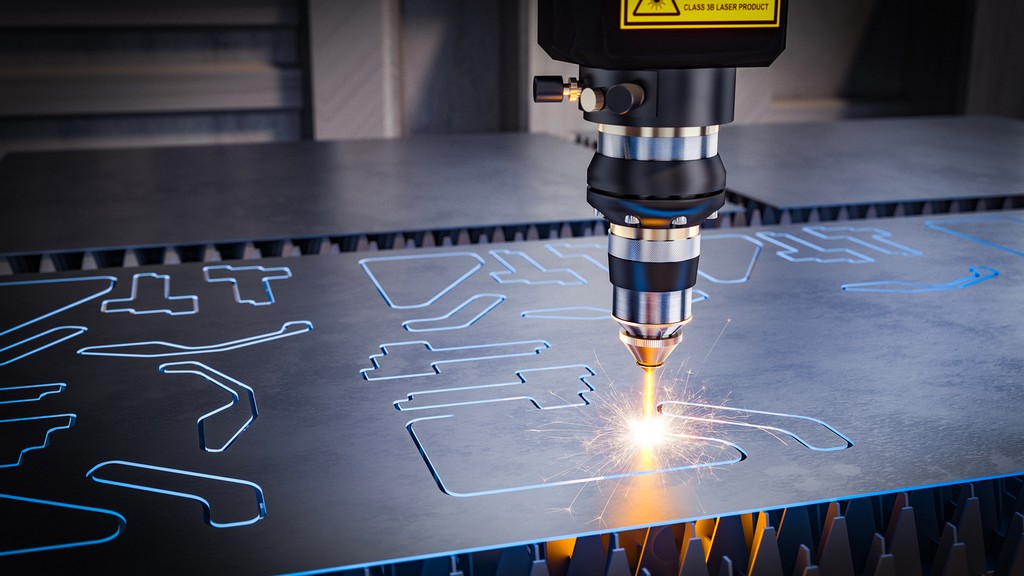
The screens are designed to protect the user from:
This standard applies to inspected displays for installations in workplaces where laser radiation with a maximum average power of 100 W or a single pulse energy of 30 J occurs in the spectral range between 180 nm (0,18 µm) and 10⁶ nm (1000 µm).
This standard applies only to protection against laser radiation. It does not apply to other hazards, including hazards from secondary radiation that may arise, for example, during material processing.
This standard provides guidance on how to select such displays. Laser enclosures and housings (EN 60825-1) supplied as part of a laser product or for installation in a laser system to form a laser product are not considered within the scope of this standard.
For the purposes of this standard, the terms and definitions given in EN 165, EN 60825-1, EN 60825-4 and IEC 60050-845 standards are valid.
The requirements in this standard are specified as follows:
The pulse durations listed are typical values for lasers. A laser with a pulse length in this range is recommended for testing. The total exposure time for each test should be approximately 100 seconds.
The test program in the table titled "Test program for screens providing protection against laser radiation" applies to testing flexible and rigid screens. A minimum of 18 samples is required for testing. More samples may be required if testing is required for multiple wavelengths (wavelength ranges) or for test conditions according to the above tables.
Spectral transmittance should be determined at the normal angle of incidence. Screens with angular transmittance should be measured with polarized radiation at angles of incidence between 0° and 90°. In this case, the scale number is obtained from the highest of the measured spectral transmittance values.
Laser radiation resistance tests should be performed with specific laser radiation wavelengths and power and energy densities. Spectral transmittance at the laser wavelength should be measured during laser radiation exposure.
In short, EN 12254 is a European standard that specifies the functional requirements, test methods, and labeling specifications for passive guards designed to protect against laser radiation in workplace environments. This standard is critical to ensuring safety in environments where laser equipment is used, such as manufacturing, research, or medical facilities. It addresses specific safety concerns within specified power and energy limits, focusing on protecting users from unintentional or limited-time exposure to laser radiation.
This standard applies to temporary and permanent passive screens designed to protect users from laser radiation in monitored workplace installations. It covers the following laser radiation:
These screens are designed to protect against:
This standard expressly excludes other hazards, such as secondary radiation from material processing, and does not cover laser enclosures or housings that are part of a laser product or system as defined in EN 60825-1. It provides guidance on the selection of suitable shielding, but is limited to laser radiation protection.
The EN 12254 standard contains rigorous test methods for assessing the functional performance of laser protective screens. These tests evaluate:
These tests differ from those in related standards, such as EN 60825, which focus on laser equipment safety and classification. EN 12254 specifically addresses the materials and performance of protective screens.
The EN 12254 standard applies to various laser protection elements, including:
Consequently, EN 12254 is a cornerstone of laser safety, providing requirements for the design, testing, and labeling of protective screens in laser workplaces. Focusing on passive barriers, it addresses a critical aspect of workplace safety by providing protection against accidental or time-limited laser exposure. Organizations using lasers should consult this standard to ensure compliance and effectively protect personnel.
Our organization, which has been operating for many years and meticulously follows global developments in science and technology, employs a skilled team and extensive infrastructure to conduct testing, measurement, and analysis in a wide range of areas for businesses across all sectors. In this context, we also provide testing services in accordance with the EN 12254 "Screens for Laser Work Areas - Safety Requirements and Testing" standard.
To get an appointment, to get more detailed information or to request an evaluation, you can ask us to fill in our form and reach you.

