

EN 13782 Temporary Structures - Tents - Security

EN 13782 Temporary Structures - Tents - Security

The European standard “EN 13782 Temporary structures - Tents - Safety” describes the safety requirements that must be observed in the design, calculation, manufacture, installation, maintenance, operation, inspection, and testing of mobile, temporarily erected tents with a floor area greater than 50 m². For tents with a floor area smaller than 50 m², a tent manual is not required, and the manufacturer provides documentation regarding the flammability of the fabrics and the stability of the structure.
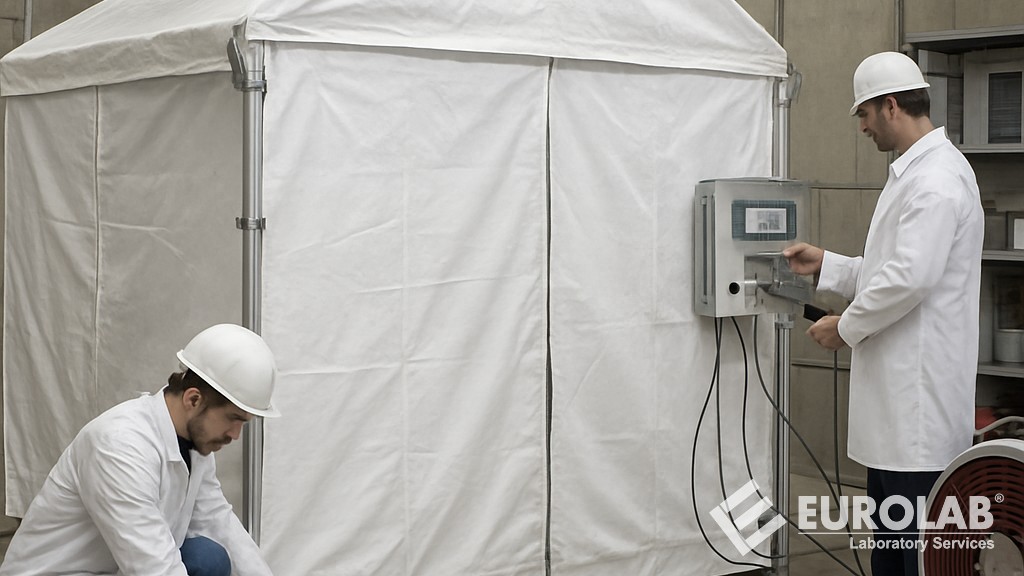
EN 13782 Temporary Structures - Tents - Security

Two tents, if separated by a distance of more than 5 meters, may be considered as two tents unless otherwise agreed. These tents are designed to be erected and dismantled repeatedly, temporarily, for short or long periods, in any location and for multiple purposes, without loss of material value.

For traditional pole and rope tents, a simplified calculation is allowed for tents with a maximum area of ​​12 m2 and a maximum capacity of 300 people.

This European Standard covers all types of temporary enclosed structures. Tents temporarily erected at exhibition grounds and amusement parks and subsequently dismantled for reuse elsewhere are included within the scope of this standard. The standard aims to bring together, as far as possible, existing national regulations and guidelines.

The EN 13782 standard outlines the requirements, test methods, and safety guidelines for temporary structures used in the event and construction industries, such as tents and awnings. This standard is essential to ensure the structural integrity, safety, and reliability of temporary buildings exposed to environmental loads such as wind and snow.

This standard applies primarily to tensile membrane structures and lightweight temporary structures, ensuring their safety for public use. It covers design, materials, construction, and testing, providing clear guidance to manufacturers, installers, and authorities.

The basic characteristics of the EN 13782 standard are as follows:

  • Scope: This applies to freestanding and anchored temporary structures, typically used for exhibitions, events, or temporary shelters. It includes structures made of fabric, PVC, or other membrane materials supported by metal frames or tension systems.
  • Structural safety: Specifies load-bearing requirements, including wind, snow, and rain loads, to prevent collapse. Ensures that structures maintain their stability under expected environmental conditions.
  • Material requirements: Defines acceptable material properties for fabrics, coverings, frames, and fasteners. Includes fire resistance criteria for fabrics used in public spaces.
  • Test methods:
  • Wind load test: Ensures the tent can withstand expected wind pressures.
  • Snow load test: Ensures the roof and frame can safely support snow accumulation.
  • Anchoring and stability tests: These verify that the structure is securely fixed and resistant to tipping.
  • Labeling and documentation: Requires clear labeling of structures with the manufacturer, model, maximum loads, and intended use. Includes installation instructions and maintenance manual for safe operation.
  • Safety considerations: Focuses on public safety by preventing injuries from structural failures. Addresses risks associated with improper installation, overloading, or environmental hazards.

The EN 13782 standard is important because it ensures safety, reliability, and legal compliance for temporary structures such as tents, awnings, and event shelters. This standard is considered important for the following reasons:

  • Public safety: Temporary structures are often used in places with large crowds, such as concerts, fairs, exhibitions, or emergency shelters. The EN 13782 standard ensures they can withstand environmental loads such as wind, rain, and snow, reducing the risk of collapse or accidents. Without this standard, these structures could unexpectedly collapse, causing injuries or fatalities.
  • Structural reliability: This standard specifies minimum design and material requirements, including for frames, fabrics, and anchors. This ensures the structure performs consistently under expected conditions, preventing sudden failures due to poor materials or design flaws.
  • Fire and material safety: The EN 13782 standard specifies fire resistance and durability requirements for materials. This protects users from fire hazards and ensures the structure will withstand repeated use or harsh weather conditions for its intended duration.
  • Legal regulations and compliance: In Europe, temporary structures must comply with the EN 13782 standard to meet legal and insurance requirements. Compliance with this standard demonstrates that the manufacturer or installer has taken reasonable steps to ensure safety and reduce liability risks.
  • Quality assurance and industry standardization: This standard establishes a common benchmark for manufacturers, designers, and event organizers. It helps engineers and installers design, test, and construct safe temporary structures. Certified structures are recognized throughout the European Union, facilitating international trade.

In short, the EN 13782 standard is important because it is a safety and quality standard for temporary structures, ensuring they are structurally sound and suitable for public use under various environmental conditions.

For many years, our organization, with its competent and experienced staff, has been understanding the needs of its clients, providing the advanced testing services they require, and assisting them in the establishment, implementation, and improvement of management systems. Within this framework, we also provide testing services in accordance with the EN 13782 standard.

WhatsApp

