EN 13277 Protective Equipment for Martial Arts
The European standard “EN 13277-1 Protective equipment for martial arts” consists of the following subsections published under the same title:
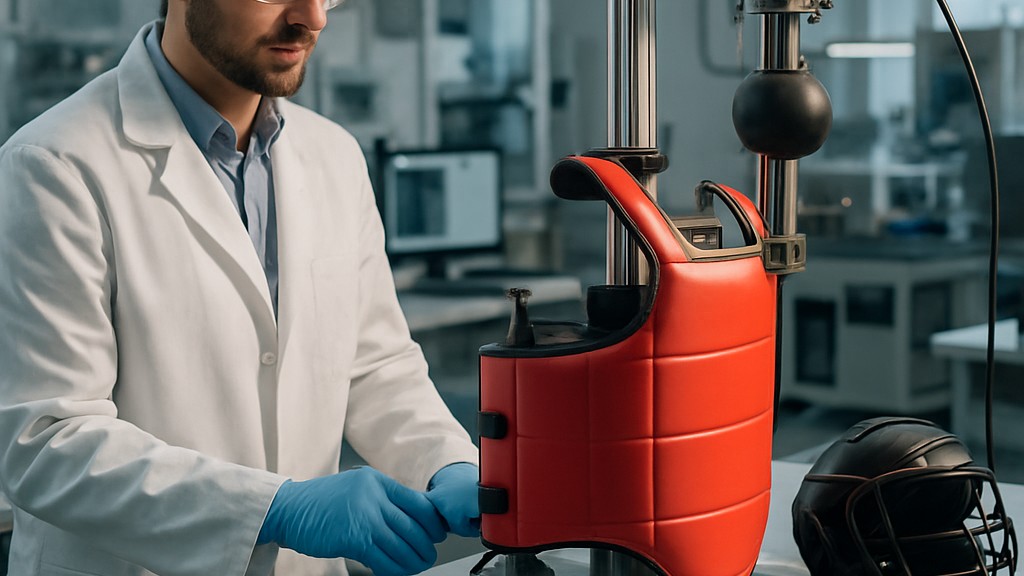
- The standard "EN 13277-1 Part 1: General requirements and test methods" describes the general requirements and test methods for invulnerability, ergonomics, restraint, zone of protection, and impact performance. This standard also specifies the marking and information provisions provided by the manufacturer for protective equipment used in martial arts. Protective equipment covered by this standard is primarily designed for use in unarmed combat arts such as taekwondo, karate, kickboxing, and similar disciplines. Additional requirements and test methods for protective components for specific martial arts are included in other sections of this standard.
For the purposes of this standard, the following terms and definitions apply:
- Protective equipment for martial arts refers to equipment worn on the body that mainly protects against the influence of external forces and energies in martial arts.
- The protection zone is mainly designed to ensure the protection of the martial arts equipment user.
The standard "EN 13277-2 Part 2: Additional requirements and test methods for ankle protectors, shin protectors and forearm protectors" describes the additional requirements and test methods for ankle protectors, shin protectors and forearm protectors used in unarmed martial arts such as taekwondo, karate, kickboxing and similar disciplines. EN 13277-1 applies to the general requirements and test methods for protective equipment for martial arts. For the purposes of this standard, the terms and definitions given in EN 13277-1 apply.
- The standard "EN 13277-3 Part 3: Additional requirements and test methods for chest protectors" describes the additional requirements and test methods for chest protectors used in unarmed martial arts such as taekwondo, karate, kickboxing, and similar disciplines. This standard also applies to chest protectors for men. EN 13277-1 applies to the general requirements and test methods for protective equipment for the martial arts.
- The standard "EN 13277-4 Part 4: Additional requirements and test methods for head protectors" describes the additional requirements and test methods for head protectors without face protection used in unarmed martial arts such as taekwondo, karate, kickboxing, and similar disciplines. This standard also applies to head protectors used in boxing.
- The standard “EN 13277-5 Part 5: Additional requirements and test methods for genital protectors and abdominal protectors” describes additional requirements and test methods for genital protectors and abdominal protectors used in unarmed martial arts such as taekwondo, karate, kickboxing and similar disciplines.
- The standard "EN 13277-6 Part 6: Additional requirements and test methods for chest protectors for women" describes the specific requirements and test methods for women's chest protectors used in unarmed martial arts. For the purposes of this standard, the terms and definitions given in EN 13277-1 apply. Furthermore, underbust circumference refers to the horizontal circumference of the body just below the breasts, as measured for chest circumference.
- The standard "EN 13277-7 Part 7: Additional requirements and test methods for hand and foot protectors" describes the additional requirements and test methods for hand and foot protectors used in unarmed martial arts, including boxing, when striking against other persons or training equipment. For the purposes of this standard, the following terms and definitions apply:
- Hand protection refers to equipment worn on the hand to protect the user against injury from impacts to other persons or training equipment.
- Foot protection refers to equipment that protects the entire foot (excluding the sole area) against injuries caused by impacts to other people or training equipment.
In this standard, hand protection classes are as follows:
- Class A: Hand protectors containing the normal (basic) protection zone
- Class B: Hand protectors with increased protection zone
There is no different class specified for foot protectors.
- The standard "EN 13277-8 Part 8: Additional requirements and test methods for karate face shields" describes additional test methods and requirements for face shields used in karate. This standard does not apply to other sports equipment and protective gear except karate face shields, as the test methods and requirements are very specific to karate face shields and do not meet the requirements for face shields used in other sports.
The EN 13277 series of standards is deemed necessary for the following reasons:
- Athlete safety: The primary goal of this index is to protect athletes from injury during training and competition. It defines minimum performance criteria for:
- Head protectors
- Body protectors
- Groin protectors
- Shin and forearm protectors
- Gloves and foot protectors
The standard helps reduce the risk of fractures, contusions and other injuries by providing consistent protective capabilities.
- Product reliability and quality: This set of standards ensures that protective equipment:
- Performs consistently under stress
- Maintains its shape and functionality after repeated impacts
- Uses durable and safe materials for skin contact
In this way, this standard ensures the production of higher quality and more reliable products for athletes and gyms.
- Consumer confidence: Compliance with this set of standards provides assurance to consumers, instructors, and regulatory bodies that the equipment:
- Meets recognized security criteria
- Tested for specific hazards
- Suitable for martial arts or combat sports
- Standardisation across Europe: The EN 13277 set of standards helps create a unified safety standard across European countries, making it easier for manufacturers to sell products across multiple markets, for buyers to compare products, and for sports federations to adopt common safety regulations.
The EN 13277 series of standards is important because it promotes safety, ensures product quality, standardizes protective equipment requirements, builds consumer confidence, and provides legal protection. It is viewed as a critical component of maintaining professionalism and responsibility in combat sports.
Our organization, which has been supporting businesses across all sectors for years through a wide range of testing, measurement, analysis, and evaluation activities, has a strong team of employees who closely follow global developments in science and technology and are constantly improving themselves. In this context, we also provide testing services to businesses in accordance with the "EN 13277-1 Protective Equipment for Martial Arts" standard.



