

The “UR E10 Type Approval Test Specification” standard, developed by the International Association of Classification Societies (IACS), describes the test specifications for type approval of electrical, electronic, and programmable equipment designed for use on ships. IACS is a technical non-governmental organization that sets minimum technical requirements for the design, construction, and inspection of ships and marine installations. It covers over 90 percent of the world's cargo-carrying tonnage and focuses on improving maritime safety and environmental protection.
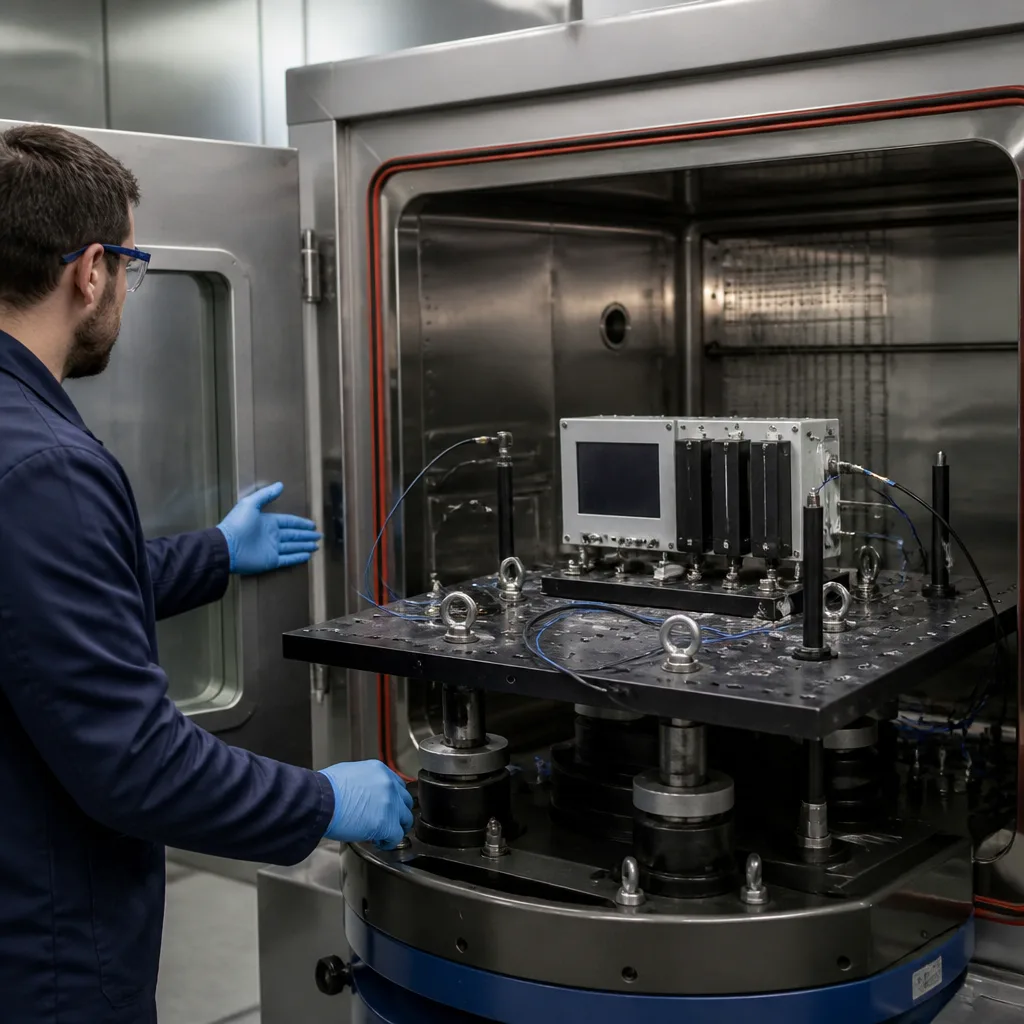
The IACS UR E10 standard includes standardized environmental and performance test conditions for electrical, electronic, and programmable equipment used on ships, particularly in control, monitoring, alarm, and protection systems. This standard ensures that marine equipment can operate reliably under the harsh conditions encountered at sea, including extreme temperatures, humidity, vibration, power surges, and electromagnetic interference. However, this standard is not limited to this. It applies to equipment for essential ship systems. The tests demonstrate that the tested equipment functions as intended without degradation after being subjected to the specified conditions.
The scope, sequence, and number of samples for testing are determined on a case-by-case basis, depending on the equipment's design and intended use. Equipment is typically tested in its normal installation position. Here, functional testing, unlike a full performance test, is a simplified verification that no damage has occurred.
The requirements are in compliance with the relevant IEC standards:
Non-essential equipment that could cause electromagnetic disturbances must still pass electromagnetic compatibility (EMC) tests.
Since its initial publication in 1991, this standard has undergone numerous revisions to incorporate technological advancements, industry feedback, and alignment with international standards.
The essence of the UR E10 standard is a comprehensive test table. The basic test methods included in this standard are as follows.
Other tests may include shock, ingress protection (IP), and specific tests for navigation/radio equipment according to IMO or IEC standards.
After each environmental test, a functional or performance check is usually required to verify that no degradation has occurred. Equivalent test procedures may be accepted by the relevant classification societies if they meet the UR parameters. Later versions of the referenced standards are generally acceptable if deemed equivalent.
The UR E10 standard is considered important for the following reasons:
Manufacturers typically have their equipment type-tested in accredited laboratories. Compliance is evidenced in type approval certificates that may refer to the UR E10 standard.
In short, the IACS UR E10 standard contains globally recognized requirements. This standard ensures that onboard equipment used in control, monitoring, alarm, and protection systems operates reliably in harsh marine conditions.
This standard applies to:
The requirement focuses on type approval, meaning the equipment must pass standardized tests before being accepted for installation on ships.
The main objectives of this standard are:
Essentially, it provides a common standard for ensuring consistent behavior of marine equipment, regardless of the ship's classification authority.
In general, this standard includes a comprehensive set of tests grouped into various core areas:
These tests ensure that the equipment does not malfunction or interfere with other systems on board the ship.
The testing approach for this standard is based on the following:
The equipment is typically tested in its normal installation location to reflect actual usage.
The UR E10 standard is critically important in the maritime sector because,
Without such a unified requirement, inconsistencies in testing can lead to system failures, safety risks, and operational disruptions.
For many years, our organization, with its competent and experienced team, has been understanding the needs of its clients, providing the advanced testing services they require, and assisting them in the establishment, implementation, and improvement of management systems. Within this framework, we also provide testing services compliant with the IACS UR E10 standard.
To get an appointment, to get more detailed information or to request an evaluation, you can ask us to fill in our form and reach you.

