
The ISO 12312-1 standard, developed by the International Standards Organization (ISO), defines requirements for all afocal (plano power) sunglasses and clips for general use, including road use and driving, for protection against sunlight.
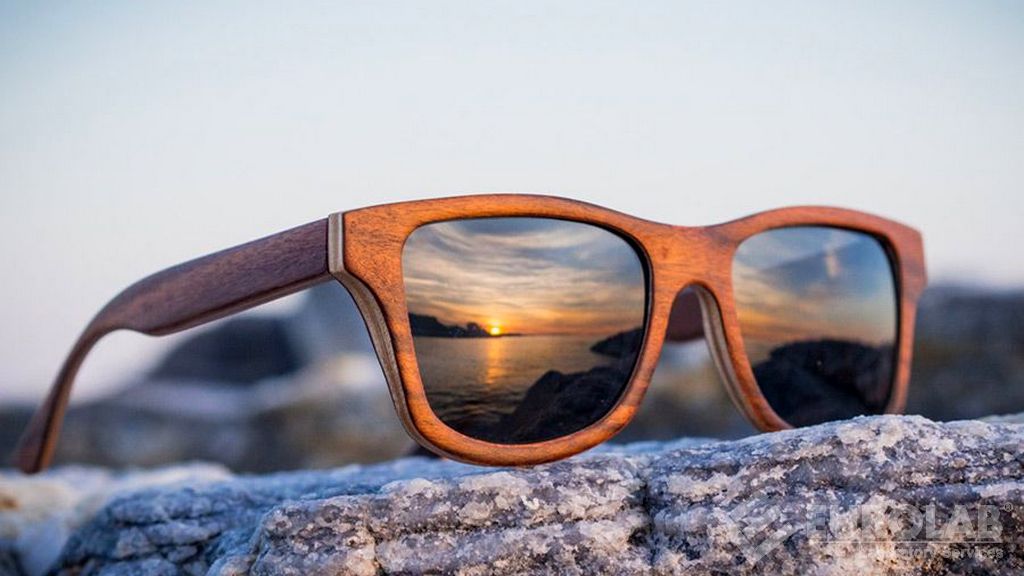
In optics, an afocal (a focusless system) is an optical system that does not produce clear convergence or divergence in the beam, that is, it has an infinite effective focal length. Plano lenses are lenses that do not have visual correction power.
Information on the use of sunglasses filters is included in the standard annex (Annex A). Requirements for filters used as spare or alternative filters without assembly are given in Annex B.
The ISO 12312-1 standard does not primarily apply to:
For the purposes of this standard, the terms and definitions in the ISO 4007 standard apply.
The ISO 12312 standard consists of the following two parts under the heading "Eye and face protection - Sunglasses and related glasses":
ISO 12312-1 replaces the previously published EN 1836 standard. A few innovations brought by the new standard are as follows:
Our organization, among the numerous test, measurement, analysis and evaluation studies it provides for businesses in various sectors, also provides testing services for sunglasses used for eye and face protection within the scope of ISO 12312-1 standard, with its trained and expert staff and advanced technological equipment.
To get an appointment, to get more detailed information or to request an evaluation, you can ask us to fill in our form and reach you.

