
Gemstone analysis is a study generally performed by gemologists on basic optical instruments such as refractometers. These methods of analysis have changed significantly in recent years, and gem testing has become a highly complex field of science that combines mineralogy, geology, chemistry, and physics. Gemstone materials are typically colored and colorless diamonds, all kinds of other precious and colored stones and organic materials such as pearls, amber and coral. Gemstone analysis includes a number of studies such as identification, treatment determination, country of origin determination, detection of mechanisms causing color, analysis of impurities and defects, as well as analysis of growth systems that determine the specific physical properties of jewelery materials.
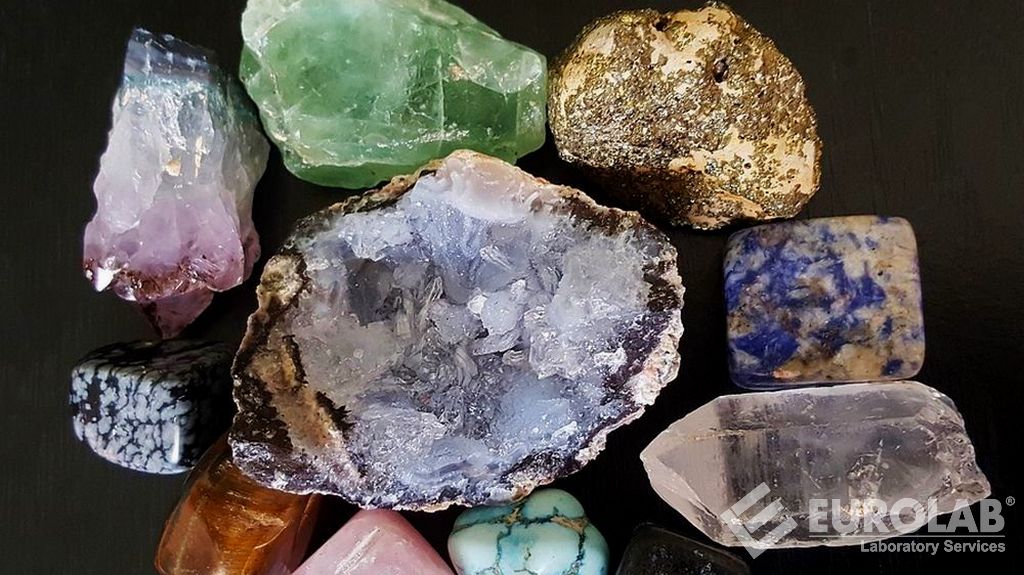
The monetary value of gemstones is based on five variables: rarity, cut, weight, color and clarity. Of these, cut refers to internal impurities and defects. Gemstones are processed to enhance some of these listed properties. Many of these are difficult to detect with the naked eye and measure accurately by conventional optical and analytical methods. X-ray microcomputed tomography is proposed as a relatively low-cost, physically non-destructive and complementary method for detecting and measuring clarity enhancement.
Gemologists utilize tools such as jeweler's microscopes, magnifiers, or refractive index measurement to identify synthetic or enhanced gemstones. A jeweler's magnifier is a piece of magnifying equipment that allows inclusions and blemishes to be seen. Microscopes provide even greater magnification and are used to detect heat treatments and various other clarity enhancements. However, all of these techniques require a trained gemologist to perform the analysis, and the decision always involves human error. Furthermore, synthetic stones and enhancements are becoming extremely complex, making standard methods unreliable. As a result, sophisticated gemstone analysis methods borrowed from analytical chemistry have become quite popular. For example, vibrational spectroscopy has become increasingly important in the field of gemology. Techniques such as spread-reflection infrared Fourier transform spectroscopy are considered useful because they are simple, fast, and highly accurate.
Our company also provides precious stone analysis services with its trained and expert staff and advanced technological equipment, among the numerous test, measurement, analysis and evaluation studies it provides for businesses in various sectors.
To get an appointment, to get more detailed information or to request an evaluation, you can ask us to fill in our form and reach you.

