

Extractable metals are metals that are released from a material under certain conditions. Heavy metals are used in pigments, dyes, heat stabilizers, surface treatments, catalysts and leather tanning processes, and in various parts of clothing, equipment and footwear supply chains.
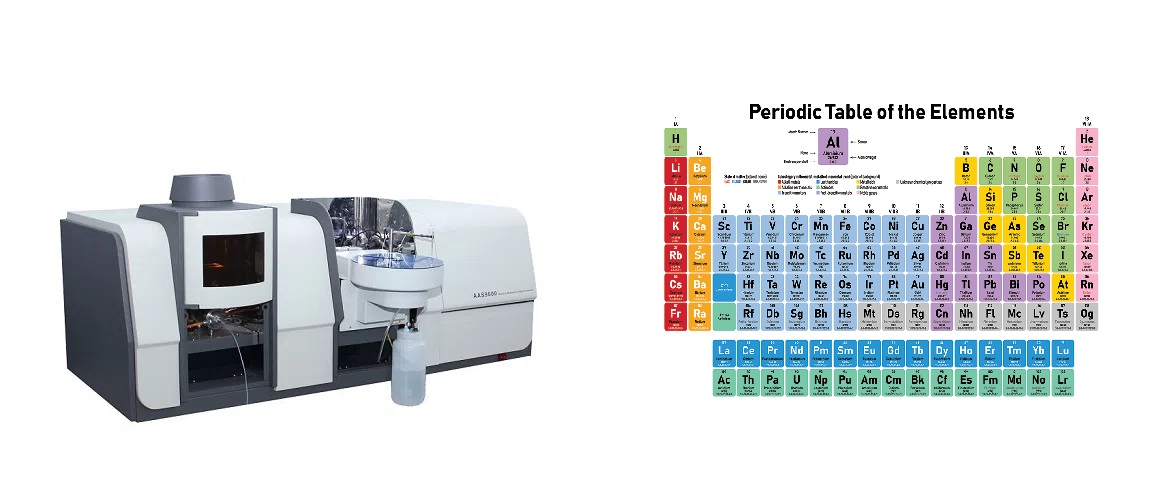
For example, pigments and dyes (metal complex dyes) contain chromium, cobalt, nickel and copper. Some pigments include antimony, arsenic, barium, cadmium, chromium, lead mercury and nickel. Polyester synthesis generally involves a polymer catalyst, antimony. Barium, arsenic and chromium are used in leather tanning processes. Polyvinyl chloride (PVC) heat stabilization is accomplished with cadmium and lead. Copper can be found in turquoise, blue and green dyes, nickel in bright green dyes, chromium in metal complex dyes and cobalt in acid dyes.
However, with the legal regulations enacted all over the world, the use of heavy metals in finished products is restricted. Heavy metals are associated with many environmental and human toxicity properties. For example, water toxicity (arsenic, barium, cadmium, copper, cobalt, lead, mercury, nickel), carcinogenic properties (arsenic, cadmium, cobalt, nickel), kidney, brain and reproductive organs toxicity (barium, lead, mercury) and high such as acute toxicity (arsenic, cadmium).
Heavy metals are a loosely defined group of elements with metallic properties, including the ability to conduct heat and electricity. In most cases, the classification of a heavy metal is based on molecular weight, atomic number, or related physical properties. Extractable heavy metals released from a material under certain conditions can be detected by advanced laboratory tests.
Determination of harmful heavy metals is one of the routine monitoring conditions of ecological textiles. Consumers and businesses are now paying more and more attention to the safety and health performance of textile products. Therefore, the analysis of heavy metal residues in textiles is getting more attention.
The main sources of heavy metals in textiles are some dyes and auxiliaries used during processing, metal complexing agents and natural fiber raw materials. The cumulative toxicity of heavy metals in textiles to the human body is quite serious. In some groups, especially in the growth and development of children, the damage caused by heavy metals is more than adults.
Among the numerous test, measurement, analysis and evaluation studies it provides for businesses in various sectors, our organization also provides extractable heavy metals determination services with its trained and expert staff and advanced technological equipment.
To get an appointment, to get more detailed information or to request an evaluation, you can ask us to fill in our form and reach you.

