

Potassium mineral is classified as an electrolyte because it is highly reactive in water. It produces positively charged ions when dissolved in water. This property allows it to conduct electricity, which is important for many processes in the body.
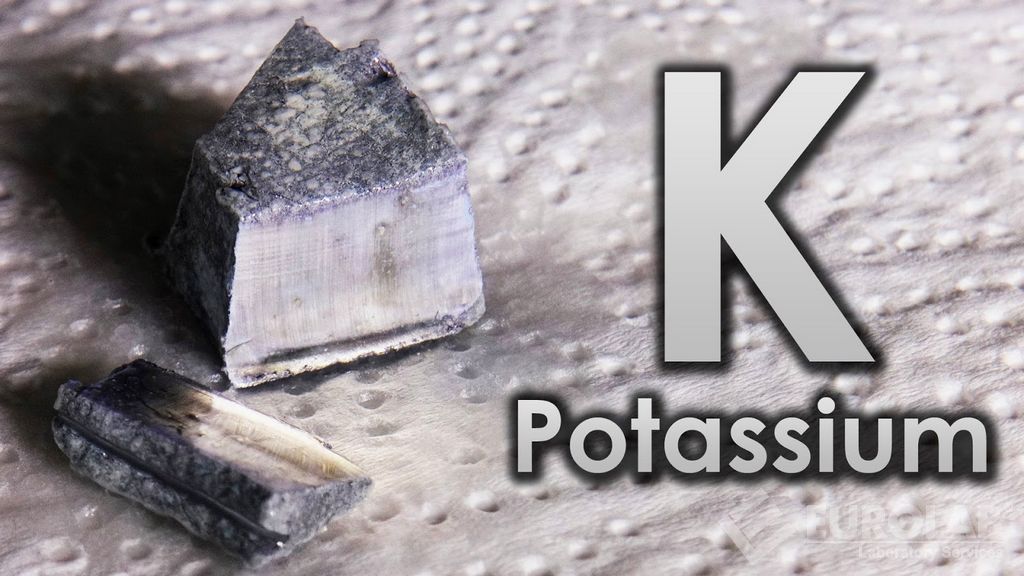
A diet rich in potassium is very healthy. It helps to reduce blood pressure and water retention, protect against stroke, osteoporosis and prevent the formation of kidney stones.
Potassium is the third most abundant mineral in the body. It helps regulate fluid in the body, send nerve signals and regulate muscle contractions. 98 percent of potassium in the body is found in cells. 80 percent of this is found in muscle cells, the rest is found in bones, liver and red blood cells. After potassium enters the body, it acts as an electrolyte. Potassium ions carry a positive charge. Low or high amounts of electrolytes in the body negatively affect many important functions.
In the intracellular fluid inside the cells, the main electrolyte is potassium. In the blood and cerebrospinal fluid outside the cells, the main electrolyte is sodium. The amounts of these fluids are affected by potassium and sodium concentrations. In short, there is an equal electrolyte balance inside and outside the cells.
In the tests and analyzes carried out in our institution, which has a wide range of technological equipment, trained and experienced staff and applies the most modern methods, national and international standards and legal regulations in force are complied with. Among the numerous tests carried out in this context, there are also potassium (K) testing services within the framework of elemental analysis.
To get an appointment, to get more detailed information or to request an evaluation, you can ask us to fill in our form and reach you.

