
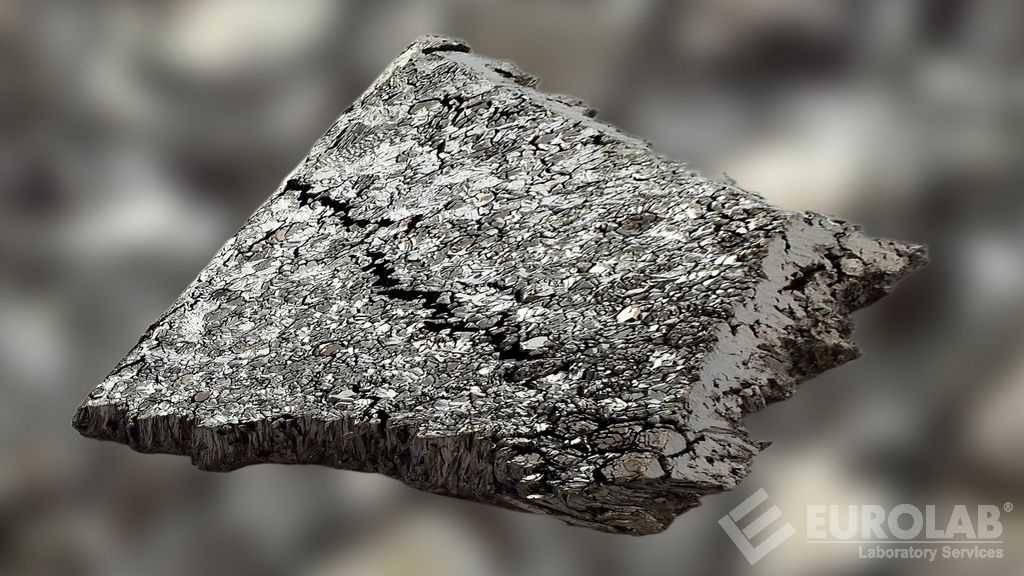
Lutetium is a silvery-white, hard and dense metal. It is rarely used outside of scientific research. One of its few commercial uses is as a catalyst to break down hydrocarbons in oil refineries.
Lutetium has low biological toxicity.
As with many other lanthanides, the main source of lutetium is the mineral monazite. It is extracted with difficulty by reducing anhydrous fluoride with calcium metal.
Discovered in a quarry in Sweden, the mineral gadolinite has been the source of many rare earth elements. Scientists believed that ytterbium was not an element but a mixture of two elements, and they succeeded in separating ytterbium into two elements. One of these elements was named the new ytterbium and the other lutetium. Today, lutetium is mainly obtained by an ion exchange process from monazite sand, a material rich in rare earth elements.
Lutetium is one of the most difficult elements to prepare and has no practical large-scale uses. However, some of its radioactive isotopes are used as a catalyst in the cracking of petroleum products and as a catalyst in some hydrogenation and polymerization processes.
In the tests and analyzes carried out in our organization, which has a wide range of technological equipment, trained and experienced staff and applies the most modern methods, national and international standards and legal regulations in force are complied with. Among the numerous tests carried out in this context, there are also lutetium (Lu) testing services within the framework of elemental analysis.
To get an appointment, to get more detailed information or to request an evaluation, you can ask us to fill in our form and reach you.

