

Copernicus is a highly radioactive metal, of which only a few atoms have ever been made. It is thought to be non-reactive and more like a noble gas than a metal. So far it has only been used in scientific research. There is no commercial use.
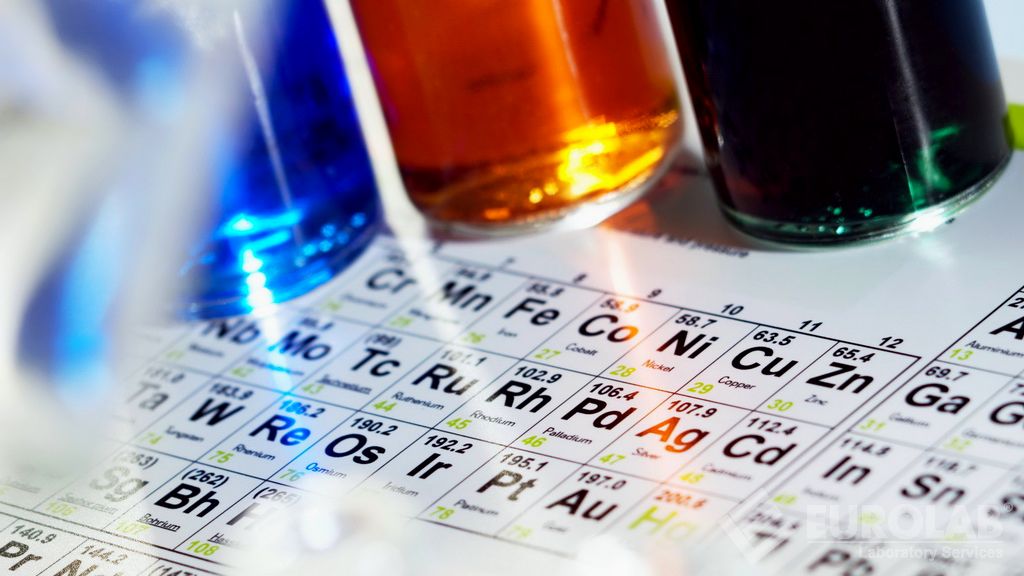
Copernicus was first produced in Germany in 1996. Copernicium, a synthetic element, was obtained by bombarding lead atoms with zinc ions in a device known as a linear accelerator. An isotope of copernicium-0.24 with a half-life of about 277 milliseconds was produced by fusing lead and zinc ions in a heavy ion accelerator. The most stable isotope of the element copernicium is copernicium-285, with a half-life of about 30 seconds. To date, only a few copernicium atoms have been produced.
The name of this element comes from the famous astronomer and mathematician Copernicus. Little is known about copernium. It is classified as a metal and is expected to be solid at room temperature. Its properties are somewhat similar to radon, but its short half-life makes it difficult to study.
Because copernicium is so unstable, any amount formed will quickly decompose into other elements. Therefore, its effects on human health and the environment have not been studied.
In the tests and analyzes carried out in our organization, which has a wide range of technological equipment, trained and experienced staff and applies the most modern methods, national and international standards and legal regulations in force are complied with. Among the numerous tests carried out in this context, there are also copernicium (Cn) testing services within the framework of elemental analysis.
To get an appointment, to get more detailed information or to request an evaluation, you can ask us to fill in our form and reach you.

