
Antimony is an element that has been used since ancient times. It is sometimes found free in nature, but is usually obtained from the ore of stibnite and valentinite. Antimony is very rare in the earth's crust.
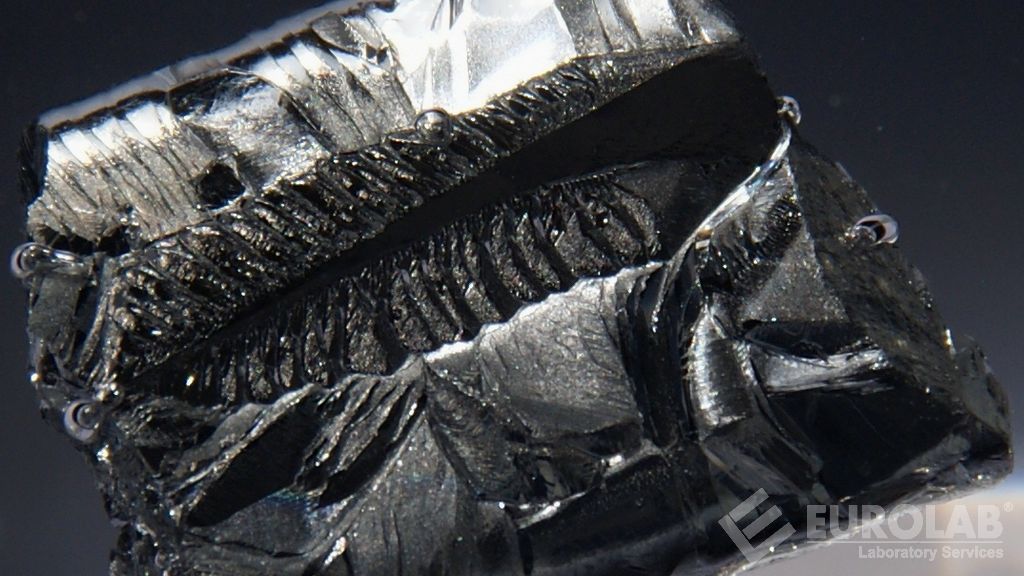
Antimony is a brittle metal and a poor conductor of heat and electricity. Very pure antimony is used to make certain types of semiconductor devices, such as diodes and infrared detectors. Antimony is alloyed with lead to increase lead's durability. Antimony alloys are also used in batteries, low friction metals, metal type and cable sheaths, among other products. Antimony compounds are used to make flame resistant materials, paints, ceramic enamels, glass and pottery. Ancient Egyptians used stibnite ore for black eye makeup.
Antimony is toxic by inhalation and ingestion and is also known to be carcinogenic. However, the exact mechanisms of its toxicity are still unclear.
One of the most important uses is the incorporation of antimony trioxide into plastics and other materials as a flame retardant. Alloying antimony with other metals improves hardness and tensile strength. When the printing press was invented, metal-type blocks were made of a lead-tin-antimony alloy. Similar alloys are used today for plates in lead-acid batteries.
In the tests and analyzes carried out in our organization, which has a wide range of technological equipment, trained and experienced staff and applies the most modern methods, national and international standards and legal regulations in force are complied with. Among the numerous tests carried out in this context, there are also antimony (Sb) testing services within the framework of elemental analysis.
To get an appointment, to get more detailed information or to request an evaluation, you can ask us to fill in our form and reach you.

