

Uranium is the heaviest of the naturally occurring elements. Under standard conditions, uranium is a hard silvery metal. It is a malleable and ductile element, meaning it can be stretched into a long wire.
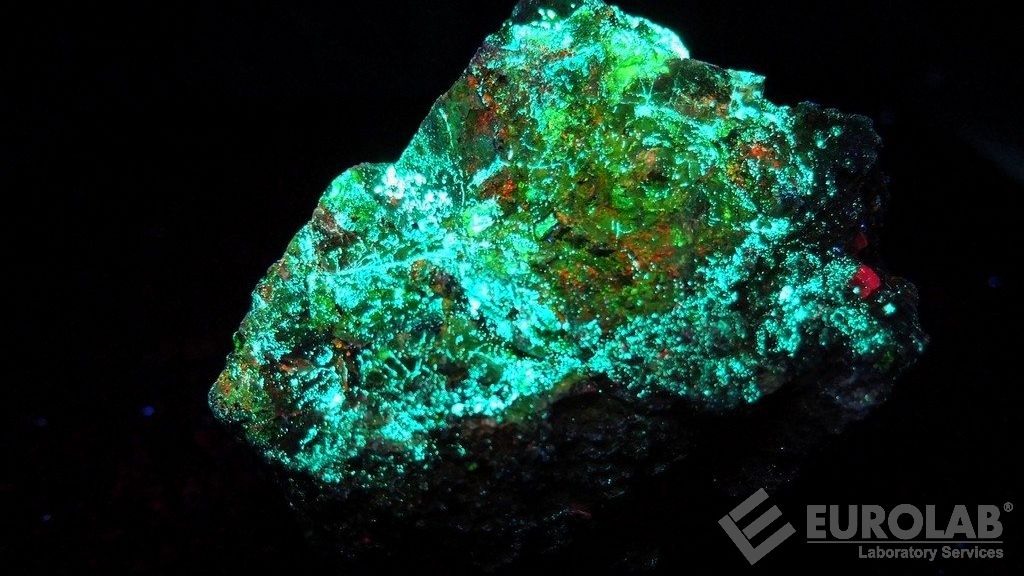
Pure uranium is radioactive. It reacts with most non-metallic elements to make compounds. When it comes into contact with air, a thin, black layer of uranium oxide forms on its surface. Uranium-235 is the only fissile and naturally occurring isotope. Being fissile means it can drive the chain reaction of nuclear fission. This property is important in nuclear reactors and nuclear explosives.
Uranium is the fiftieth most abundant element in the earth's crust. It is found in very small traces in most rocks and ocean water. It is found in minerals such as uraninite, carnotite and torbernite in the earth's crust.
The main use of uranium today is for fuel in nuclear power plants. Nuclear power plants generate power by causing a controlled fission chain reaction using uranium. A large amount of energy is obtained from a small amount of uranium. One kilogram of uranium can produce as much energy as 1500 tons of coal.
Uranium is also used in the military for special ammunition. Depleted uranium is used to make large projectiles hard and dense enough to pierce armored targets. In addition, uranium was used in the first atomic bomb dropped in the Second World War.
In the tests and analyzes carried out in our institution, which has a wide range of technological equipment, trained and experienced staff and applies the most modern methods, national and international standards and legal regulations in force are complied with. Among the numerous tests carried out in this context, there are uranium (U) testing services within the framework of elemental analysis.
To get an appointment, to get more detailed information or to request an evaluation, you can ask us to fill in our form and reach you.

