

Gold is very valuable to humans because of its attractive color, rarity, resistance to tarnishing, and many special properties unique to gold. No other element has more uses than gold. Traces of gold are found almost everywhere, but only a few places have large deposits. Although there are about twenty different gold minerals, all of them are quite rare. Most of the gold found in nature is in the natural metal form.
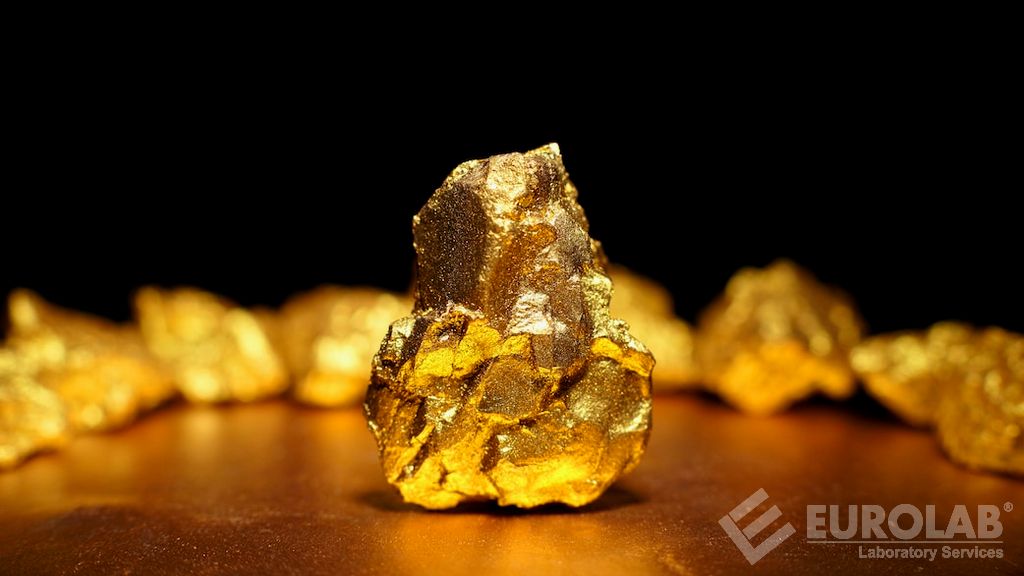
Gold occurs in hydrothermal veins deposited by rising solutions, as particles emitted from some sulfide deposits, and in placer deposits.
The most distinctive physical feature of gold is its color. The color does not change due to darkening or the formation of an oxidized surface. However, the color of gold varies according to its composition. The color of gold is not fixed.
Most newly produced or recycled gold is used in jewelry making. Approximately 10 percent is used in coins. The remaining 12 percent is consumed in a wide variety of applications including electronics, medicine, dentistry, computers, pigments, gilding, and optics.
Gold is found in two main types of bearings. Mineral deposits are where gold is found in veins in the rock. The second is called the placer deposit, which is formed by moving water that erodes the gold from the mineral veins. When the speed of water in a river slows down, heavy gold falls to the bottom and accumulates in the sand of the river bed.
In the tests and analyzes carried out in our institution, which has a wide range of technological equipment, trained and experienced staff and applies the most modern methods, national and international standards and legal regulations in force are complied with. Among the numerous tests carried out in this context, there are also gold (Au) testing services within the framework of elemental analysis.
To get an appointment, to get more detailed information or to request an evaluation, you can ask us to fill in our form and reach you.

