
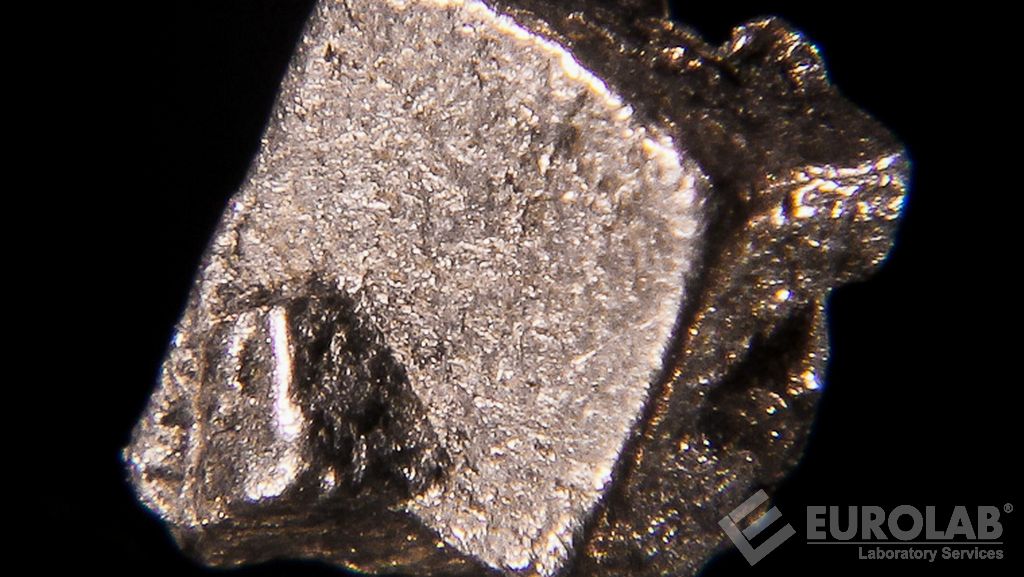
Platinum is a corrosion-resistant, dense, malleable, ductile, precious, gray-white transition metal. It is an extremely rare metal in the Earth's crust. It occurs in some nickel and copper ores along with certain natural deposits. The reason platinum is the most valuable metal today is its necessity in many industrial applications. It is estimated that one-fifth of everything used either contains platinum or requires platinum in its production.
The wear and tarnish resistant properties of platinum are well suited for making jewellery. Platinum is more valuable than gold or silver. Platinum has high resistance to chemical attack, excellent high temperature properties and stable electrical properties. All of these properties are used in industrial applications.
Among all known modern uses of platinum, most of the annual production is consumed by two dominant groups: catalytic converters and fine jewellery. These two apps consume more than 70 percent of the total platinum supply.
The most well-known use of platinum is in the catalytic converter, which is part of the exhaust system in automobiles. Rather than dispersing harmful carbon monoxide, hydrocarbons and nitric oxide into the atmosphere, catalysts convert these harmful emissions into harmless carbon dioxide and water. About half of the extracted platinum is used for this purpose.
In the tests and analyzes carried out in our institution, which has a wide range of technological equipment, trained and experienced staff and applies the most modern methods, national and international standards and legal regulations in force are complied with. Among the numerous tests carried out in this context, there are also platinum (Pt) testing services within the framework of elemental analysis.
To get an appointment, to get more detailed information or to request an evaluation, you can ask us to fill in our form and reach you.

